‘Is it normal to have a blood sugar level of 110 at age 54, or am I diabetic?’ - The Indian Express
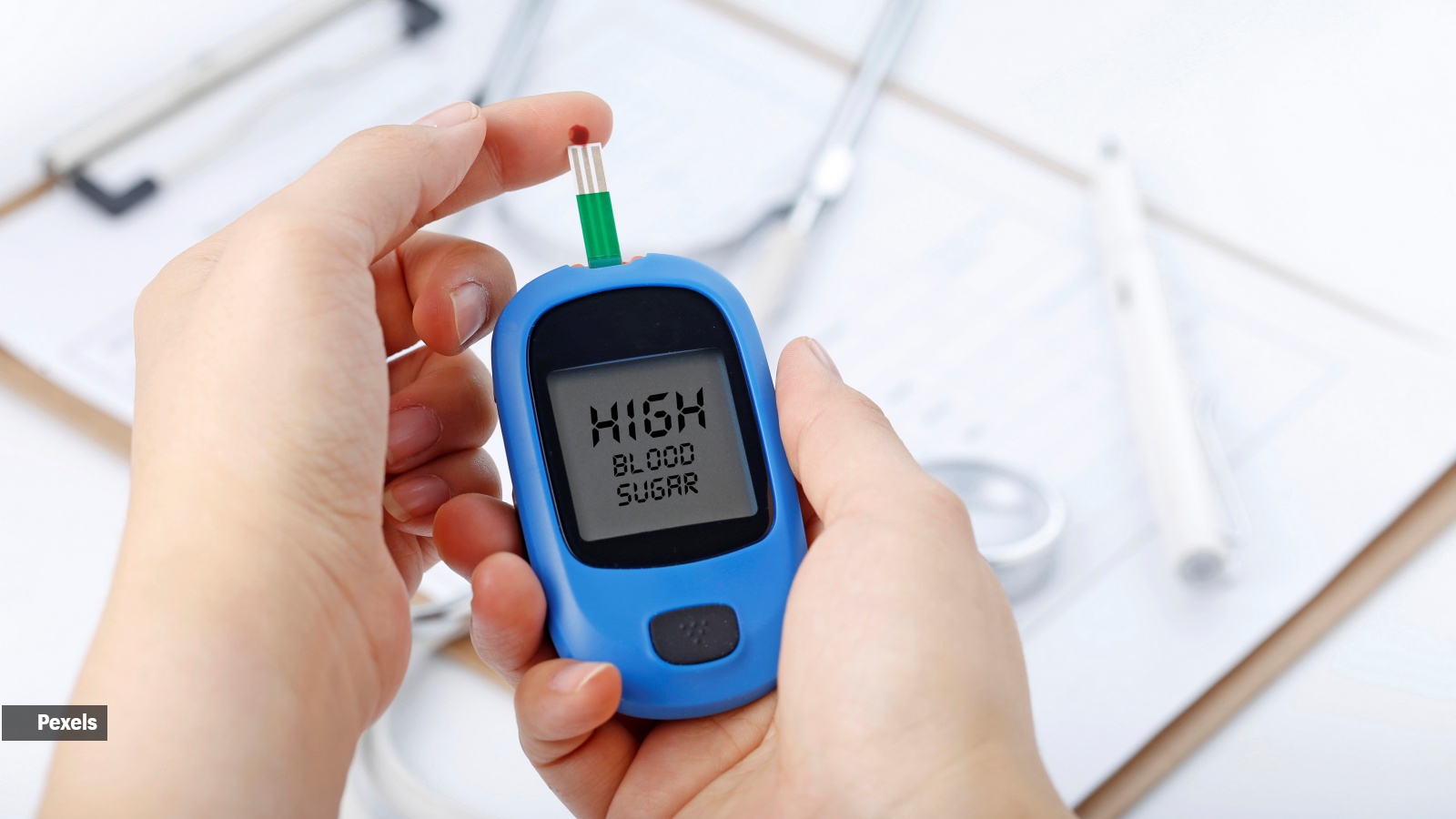
A blood sugar reading can look like a simple number on a test report, but it can raise plenty of questions. Is it something to worry about? Does it mean you are developing diabetes? Or could it be a reading that needs context?
For someone in their 50s, these questions can become even more concerning, especially if a blood sugar reading keeps showing up on routine health checks.
This is exactly what one person asked on Quora: “Is it normal to have a blood sugar level of 110 at age 54? Or am I diabetic?”
DISCLAIMER: This article is based on information from the public domain and/or the experts we spoke to. Always consult your health practitioner before starting any routine.
“For a 54-year-old, 110 mg/dL is not necessarily abnormal, but its meaning depends on whether the reading was taken fasting or after eating,” Dr Aarti Ullal, physician and diabetologist at Gleneagles Hospital, Parel, tells indianexpress.com.
If the reading was taken during fasting, 110 mg/dL indeed falls in the “prediabetes range and should be evaluated further.”
However, this does not mean that the person has diabetes. A single blood sugar reading is not enough to diagnose the condition.
“No, a single blood sugar reading of 110 mg/dL does not mean a person has diabetes,” Dr Ullal clarifies.
If the reading was taken after eating, it needs to be interpreted differently from a fasting blood sugar reading. That is why knowing when the test was done matters before drawing conclusions from the number.
If you are unsure about your blood sugar status, Dr Ullal recommends checking fasting blood glucose and HbA1c.
“A fasting glucose test and HbA1c can help confirm the person’s blood sugar status.”
“I would recommend checking fasting blood glucose and HbA1c to assess average blood sugar levels and determine whether the person has normal glucose levels, prediabetes, or diabetes,” Dr Ullal further adds.
So, if you have only seen a reading of 110 mg/dL on a report, first establish whether it was a fasting or post-meal reading and then get the appropriate tests rather than assuming you have diabetes.
“Repeated readings around 110 mg/dL should not be ignored,” Dr Ullal sternly asserts.
She recommends getting fasting blood glucose, “two-hour post-meal blood glucose and HbA1c”, consulting a diabetologist and making appropriate lifestyle changes based on the results.
So, a blood sugar reading of 110 mg/dL does not automatically mean diabetes. If it was a fasting reading, it falls in the prediabetes range and should be evaluated further.
DISCLAIMER: This article is based on information from the public domain and/or the experts we spoke to. Always consult your health practitioner before starting any routine.