Israel to tighten pilot security checks after flydubai cockpit attack
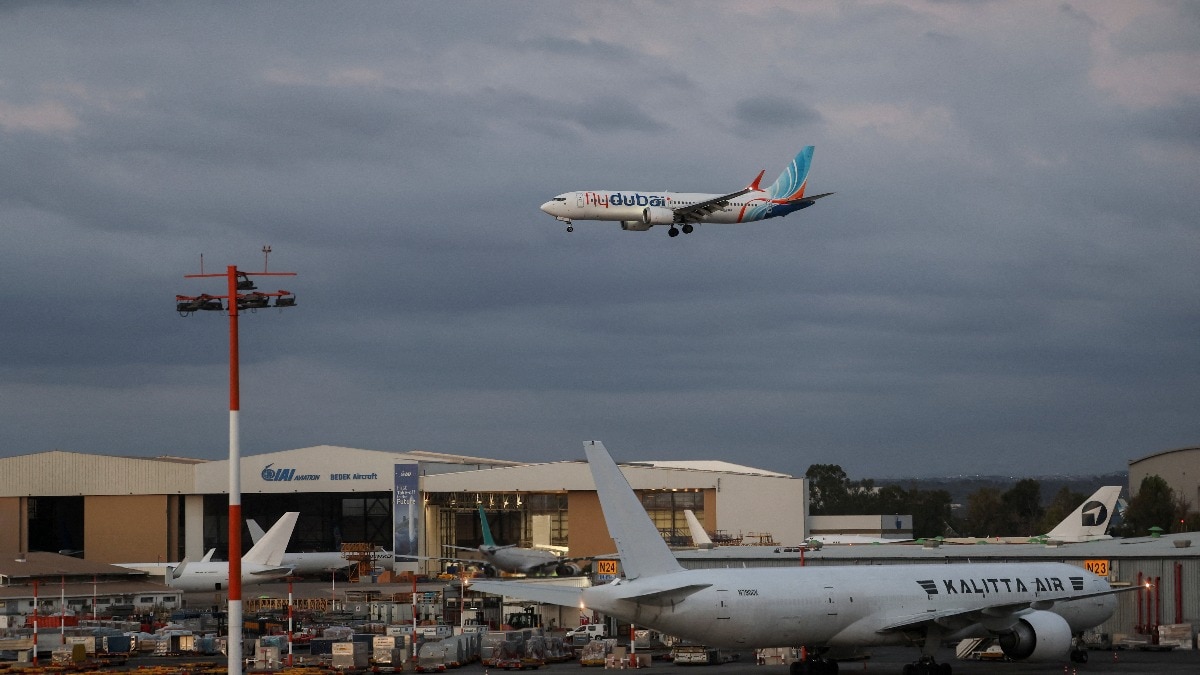
Israel is set to tighten security checks on pilots flying into the country after a co-pilot stabbed the pilot of a flydubai flight and attempted to crash the aircraft, Israeli officials said.
The incident took place aboard flydubai flight FZ1073 from the United Arab Emirates to Tel Aviv, which was carrying 174 people, most of them Israelis. The flight was diverted to Saudi Arabia, where the aircraft landed safely after passengers helped subdue the co-pilot and other pilots on board took control.
Saudi authorities have arrested and interrogated the co-pilot, Israeli Prime Minister Benjamin Netanyahu said.
Netanyahu identified the injured pilot as Indian national Captain Smit Machchhar. He said Machchhar was stabbed and seriously injured but fought back and opened the cockpit door, allowing passengers and crew to overpower the attacker.
Flydubai, meanwhile, cautioned against "premature speculation", saying that many details surrounding the incident remained unclear.
The incident has prompted questions about pilot vetting and the security procedures applied to flight crews. Israeli officials said security measures for pilots operating flights into Israel would now be strengthened.
"Every pilot that is going to be flying into Israel, we are going to know the pilots' identities, know who they are, and do some type of security check," Doron Spielman, a spokesperson for the Israeli prime minister's office, told Reuters.
He said Netanyahu had instructed authorities to "ramp up security" on flights to Israel operated by both Israeli and foreign airlines.
Israel already maintains stringent aviation security measures, but officials said checks would now be tightened further following the flydubai incident.PILOT VETTING UNDER SCRUTINY
Aviation security experts told Reuters that pilots have undergone extensive security screening, particularly since the September 11, 2001 attacks in the United States.
"Every pilot goes through extensive background checks but also continuous medical and psychological assessments," said Philip Baum, a visiting professor of aviation security at Coventry University.
Countries and airlines are responsible for implementing screening and security standards set by the International Civil Aviation Organisation, although the way those standards are applied can vary between countries.
Two pilots working in the Middle East, but not for flydubai, told Reuters that pilots undergo security screening similar to that faced by passengers and cannot normally bring weapons such as knives or guns onto aircraft.
Eric Schouten, head of aviation intelligence consultancy Dyami, said airlines were responsible for vetting cockpit crew according to national requirements.
The European Aviation Safety Agency said flydubai's certification and safety oversight falls under the UAE's General Civil Aviation Authority. It said this included ensuring the airline met applicable requirements concerning flight crews and their fitness to fly.
It remains unclear what weapon was used in the attack. Passengers reported seeing a man holding a knife while one of the pilots lay injured. An aviation professional told Reuters that pilots could potentially have access to metal knives used for meal service or a crash axe kept in cockpits.
No motive for the alleged attack has been established so far.
Spielman said Israel's existing aviation security measures were among the most stringent in the world and would now be strengthened further.- Ends