It is no longer ‘Am I next?’ Women are asking, ‘When is it my turn?’ - IOL
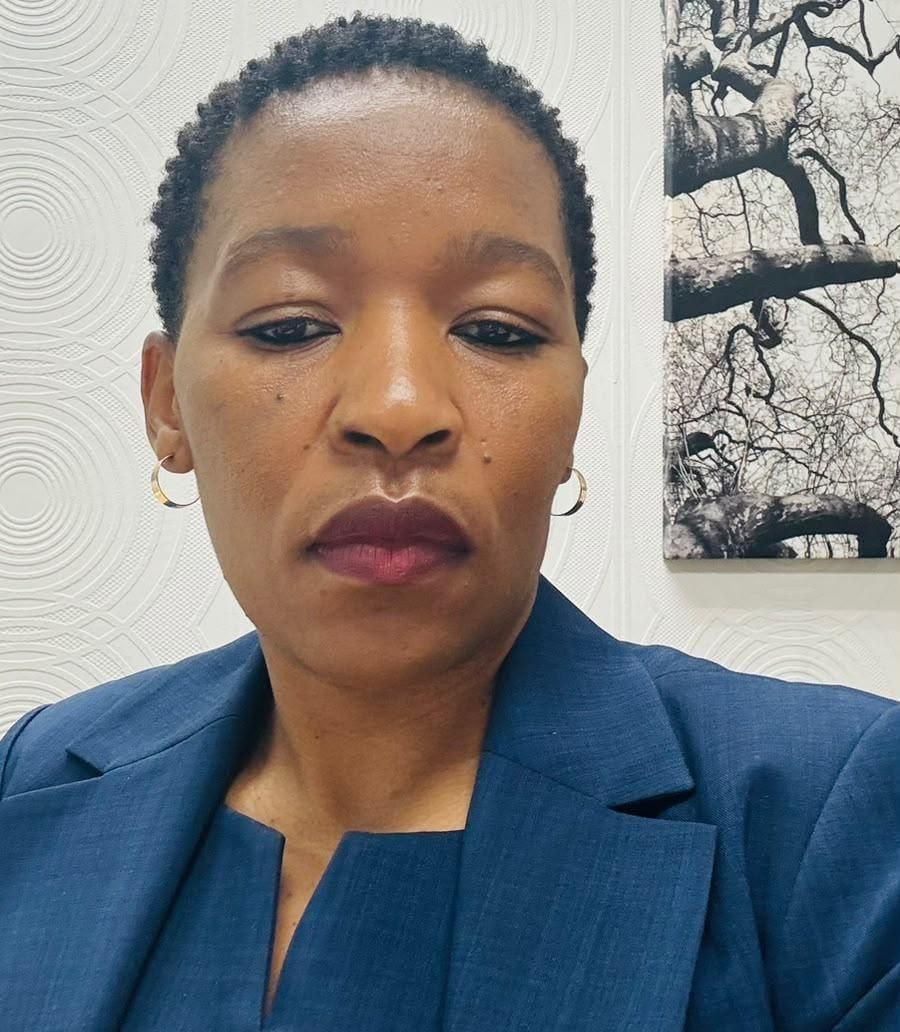
Elizabeth Mokolo Moselakgomo, who disappeared after leaving home for an afternoon run in Kempton Park.
Kempton Park is more than 1,400km by road from Cape Town, but when news broke that an eighth woman’s body had been recovered in Ekurhuleni, the distance didn’t make what was happening there feel any less frightening.
Perhaps it is because Cape Town has been here before, not with eight bodies being investigated for a possible connection, but with women reaching a point where they were tired of being afraid.
Seven years ago this month, thousands of people took to the streets of Cape Town as anger over the murders of UCT student Uyinene Mrwetyana, UWC student Jesse Hess and other women spilled over into protests outside Parliament. It was September 2019 and #AmINext became the question women were asking of a country where being murdered because you are a woman had become frighteningly commonplace.
At the end of last month we marked seven years since Jesse and her grandfather, Chris Lategan, were murdered in their Parow home. Now, barely three weeks later, we are watching another investigation unfold as police try to establish why eight women are dead and whether there is something connecting their murders.
And this week the violence came much closer to home with the murder of 10-year-old Octavia Swarts, whose body was found near a farm dam after she went missing in Joostenberg Vlakte on Sunday. Her death is not connected is not connected to the Ekurhuleni investigation, but another Cape Town family is now grieving the same time that the country is again asking what it will take to keep women and girls safe.
It made me think about #AmINext again, and whether women would even ask that question in the same way today.
Because after seven years of missing-person posters, murdered women, promises to tackle gender-based violence and campaigns telling us to speak out, the question feels less like "am I next?", and increasingly like "when is it my turn?"
That is not an attempt to be dramatic. Listen to how women talk about their lives and you will hear it in the small things we hardly notice anymore. We send our location to somebody when we are going somewhere alone, message when we get home, watch who is walking behind us and think about where we park. Mothers take their children into a shop and still find themselves watching the people around them while trying to keep their eyes on their children.
We call it being careful, but when did living like this become normal?
That is the part of the Ekurhuleni murders that has stayed with me as the body count has increased.
Police have not said South Africa has another serial killer. They are still investigating whether the eight deaths are connected and have cautioned against reaching that conclusion before the evidence takes them there. A man arrested in connection with the first murder in July remains in custody, more bodies were discovered after his arrest and another person of interest is being pursued.
There are good reasons for police to be careful with the language they use, but for women watching this unfold, I am not sure the eventual label changes the bigger problem.
If one person murdered eight women, we have every reason to be terrified that somebody may have been hunting women. If the investigation eventually finds that these women were murdered in unrelated cases, what comfort are women supposed to take from that?
One of the women who has been identified is 38-year-old Elizabeth “Tsontso” Moselakgomo, who disappeared after leaving home for a run. That detail has understandably resonated because there is nothing unusual about a woman going for a run, just as there was nothing unusual about Uyinene going to collect a parcel from a post office in 2019 or Jesse being inside her own home.
We can tell women to be vigilant until we are hoarse, but where exactly is a woman supposed to be safe?
That was part of the anger that brought women onto Cape Town’s streets seven years ago. They were tired of being given instructions for their own survival while women continued to be raped and murdered.
There were promises after those protests and there have been laws, strategies, summits, campaigns and plans since then. Yet women still share the same warnings with one another and, perhaps more disturbingly, we are passing them on to another generation of girls as though this is simply part of growing up female in South Africa.
Don’t walk there alone. Let me know when you arrive. Send me your location. Phone me when you get home.
We say these things because we love our daughters, sisters and friends and want them home safely, but there is something desperately wrong when this has become such an ordinary part of being a woman that we barely question it anymore.
Six of the eight women whose bodies have been recovered in Ekurhuleni have still not been formally identified. Behind that number could be families who are searching, waiting for a phone call or sharing a photograph because they still believe somebody might have seen the woman they are looking for.
That is why this cannot simply become a macabre national guessing game about whether South Africa has another serial killer. Police must answer that question, but the rest of us should be asking why it takes the possibility of one person killing several women for the country to once again confront how unsafe women feel.
Cape Town is 1,400km away, but seven years ago women stood outside Parliament and asked whether they would be next. We should have moved further away from that question by now.
Instead, after watching another eight women become the subject of a murder investigation, I wonder whether the question has become even more frightening.

/file/attachments/orphans/Vince-JMPD-DeBeer-infiltration3_362827.jpg)