'It's femicide': Rachel Kolisi's message echoes women's anger over Kempton Park murders - IOL
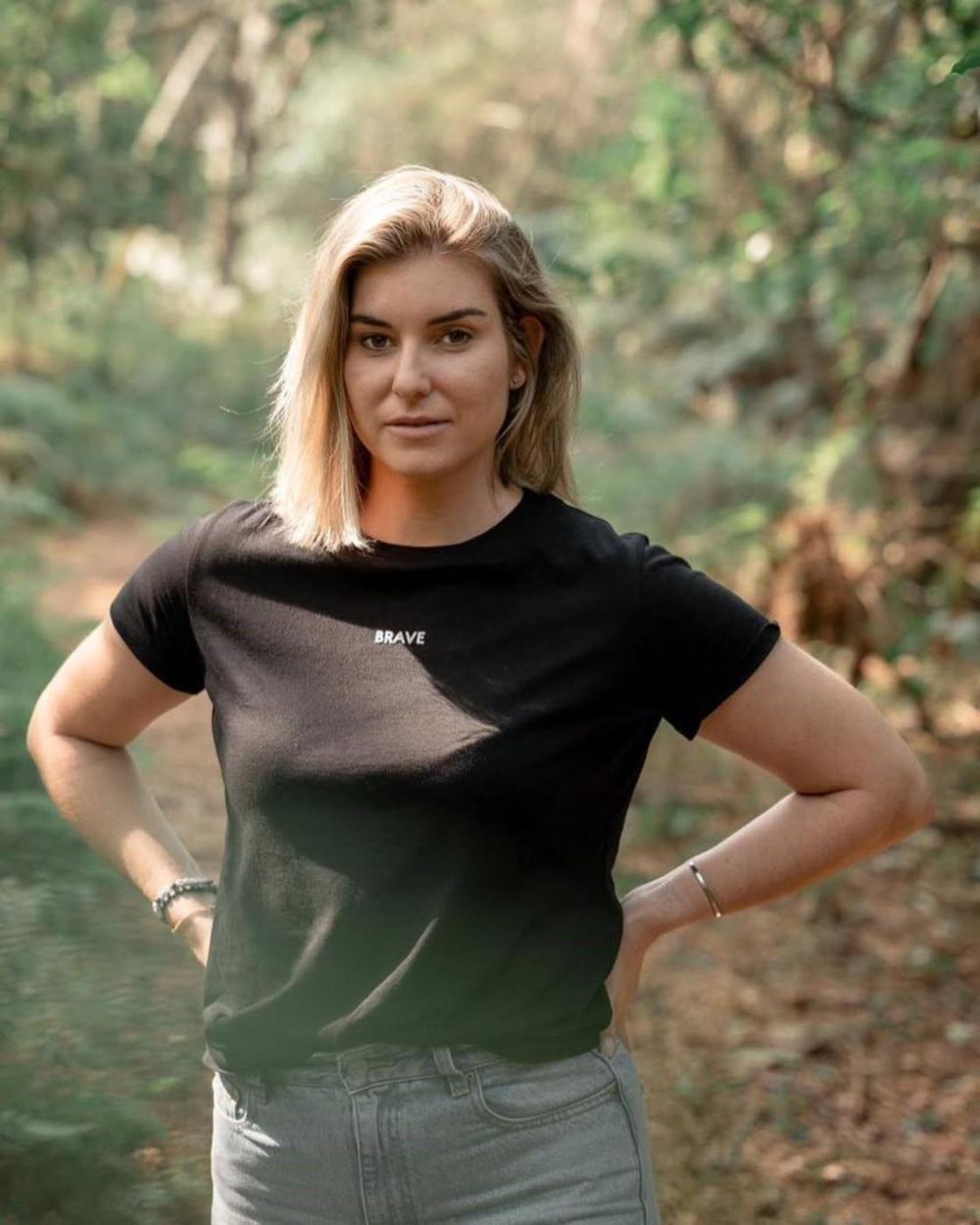
Rachel Kolisi is just one of the many women who have taken to social media to speak out about the GBV crisis in South Africa.
Scroll through social media right now, and one message is impossible to miss: South African women are angry, frightened and demanding action as more women are killed in Gauteng.
Eight women’s bodies have now been found in Ekurhuleni over the past two months, with police investigating the deaths and trying to establish whether there are links between the cases.
Only two of the eight women have been identified so far.
The latest discoveries have once again forced gender-based violence and femicide into the spotlight. But for many women, this is not a new conversation.
It is one they have been having for years.
Rachel Kolisi took to social media as news of the killings spread, sharing a simple but powerful message: “Let’s be clear. It’s femicide.”
She followed it with: “I feel sick. Exhausted.”
The comments beneath her post quickly filled with women expressing the anger, fear and frustration that have become all too familiar whenever another woman is killed.
One woman wrote about being furious that women are still told to take precautions, watch their surroundings and constantly be on guard.
Another said women have been warning about this for generations and that individual killings cannot continue to be treated as isolated tragedies.
“We cannot continue treating each killing as an isolated tragedy. It is femicide,” she wrote.
Another comment read: “We are counting bodies like we counted Covid stats daily.”
And those comments are just a snapshot of a much bigger conversation happening across social media.
And they are exhausted from having to keep asking to be safe.
For years, women have been taught how to navigate the world around them.
Watch your surroundings. Don't walk alone. Share your location. Tell someone where you are going. Don't get into a car with a stranger. Be careful when meeting someone online.
But there is something deeply wrong with a society where women have to spend so much of their lives thinking about how to avoid being attacked.
A woman went out for a run and never made it home.
That should be enough to make us stop and ask some uncomfortable questions.
Because women shouldn't have to give up ordinary things simply because they are afraid of what might happen to them.
They should be able to use public transport.
They should be able to go on a date.
They should be able to leave the house without calculating the risks.
And they should be able to come home.
Since July this year women have been found dead in this area.
There is also a misconception that women can protect themselves if they simply learn to identify the “dangerous” man.
The perpetrator could be someone a woman knows. Someone she trusts.
Someone her family trusts. Someone who appears respectable or completely ordinary.
That is part of what makes gender-based violence so frightening.
Women cannot simply spend their lives trying to identify the “bad guy”.
The responsibility for preventing violence cannot keep being placed on women and the precautions they take.
Perhaps that is what makes the latest killings so difficult to process.
South Africa has had this conversation before.
Women have marched. They have protested. They have told their stories. They have changed their profile pictures, shared hashtags and demanded action.
And yet we find ourselves here again.
In November 2025, President Cyril Ramaphosa declared gender-based violence and femicide a national crisis, saying extraordinary and concerted action was needed to address it. GBVF was subsequently classified as a national disaster.
But now, less than a year later, women are once again asking the same questions.
Police have established a high-level multidisciplinary team to investigate the deaths of the eight women.
A R400,000 reward has also been offered for information that could help identify and arrest those responsible.
Police have increased visibility and patrols in Kempton Park and surrounding areas through Operation Shanela, while investigators work to establish what happened and whether there are links between the cases.
At this stage, police have not confirmed that the deaths are connected.
But it doesn't erase what women are feeling.
Elizabeth "Tsontso” Mokolo Moselakgomo is one of the women found dead in Gauteng.
Because behind every statistic is a woman who had a life, a family, friends and plans.
The word “femicide” is being used because women are tired of treating every death as an isolated tragedy in a country where violence against women remains a devastating reality.
South Africa declared GBV and femicide a national crisis last year.
Women have been asking for action for decades.
And now, as another eight women become part of that conversation, the question remains: “How many more women have to die before women can simply live without fear?”
***Gerry Cupido is a digital journalist for IOL.
Gerry Cupido is a digital journalist for IOL.