Jhiram Valley Maoist attack case ‘rarest of rare': court order

You don’t have any Active Subscription.
Account subscription benefits alongside Premium Stories, Editorials, Opinions and more. Unlock these with Subscription
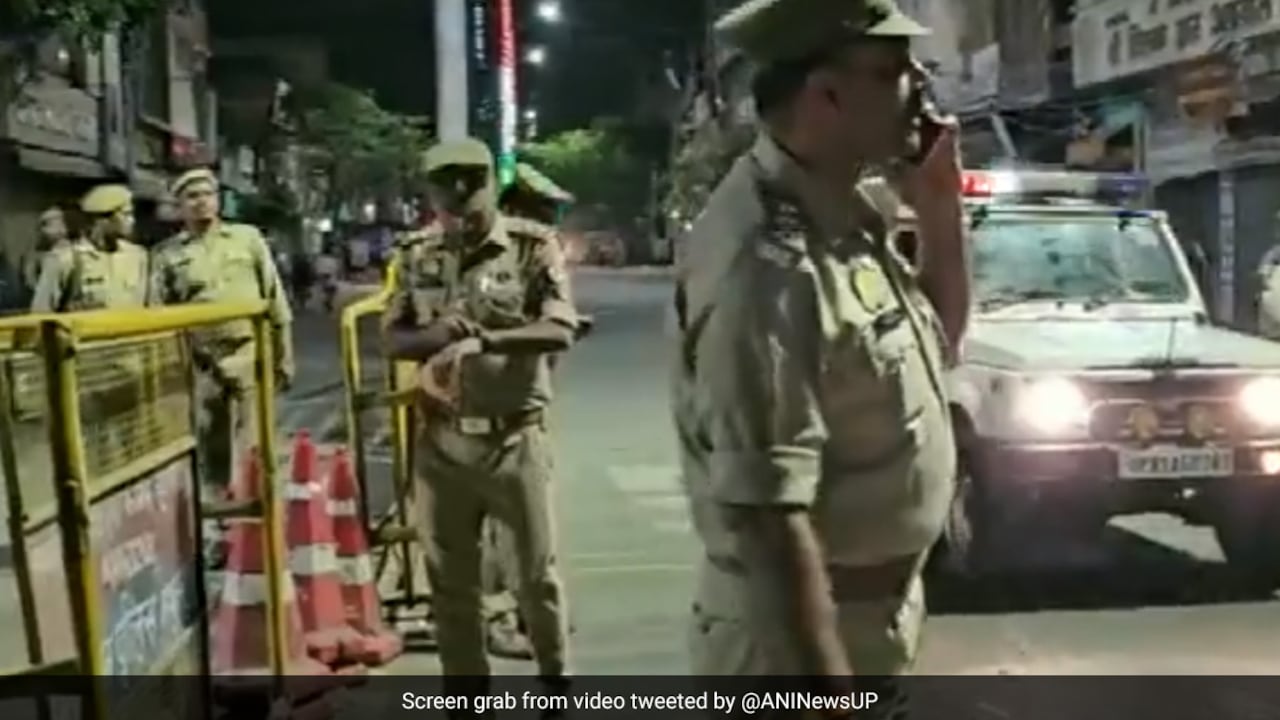
A view of the NIA special Jagdalpur Court which delivers its verdict after thirteen years of 2013 Jhiram Ghati Naxal attack that claimed approximately 29 lives, including several Congress leaders, in Jagdalpur. | Photo Credit: ANI
A special National Investigation Agency (NIA) court in Chhattisgarh’s Jagdalpur termed the 2013 Jhiram Valley Maoist attack as “rarest of rare”, holding that even after giving utmost importance to the mitigating circumstances, no other option remained except death penalty. The court, in a release issued on Wednesday (September 16, 2026), awarded death sentences to all 10 convicts.
The court said it was satisfied that life imprisonment in the case was inadequate. It referred to the Supreme Court judgments in cases such as Machhi Singh v. State of Punjab, (1983) and Mohd. Ajmal Mohammad Amir Kasab v. State of Maharashtra, (2012).
Twenty seven people, including senior Congress leaders Vidya Charan Shukla, Nand Kumar Patel, and Mahendra Karma, were killed in the attack on May 25, 2013.
“After comprehensively considering the aggravating and mitigating circumstances cited against the accused in the case, the Court finds this case to be the rarest of rare. Thus, considering the entire facts and circumstances of the case, it would be appropriate in the best interest of society to sentence the accused to death or the maximum penalty,” the order read.
The court noted that a report submitted by the jail superintendent states that the accused were physically and mentally healthy. “Regarding their family status, it is stated that they possess residence and agricultural land. The accused's age, including two women, is significant. Contrary to the aggravating factors mentioned above, the accused's age is not a factor that mitigates the seriousness of the crime, as the accused are intellectually mature,” it added.
The order also documented how the attack was planned roughly three months before it was executed in 2013.
According to the September 16 verdict, the conspiracy behind the attack was finalised during a meeting of the South Regional Unified Command [of the Communist Party of India (Maoist)] held between February 16-25 in 2013.
“A special team comprising various military units and local members was constituted for its execution. Barse Sukka, alias Deva—a member of the Darbha Division Committee—was entrusted with the responsibility of leading the operation, and the concerned members were instructed to reach the Darbha area to carry out the designated action,” the judgment noted.
Barse Deva, who surrendered in Telangana in January this year, is among the 39 people chargesheeted in the case. However, unlike the ten convicted Maoists, Deva and others were listed as wanted while the trial was on.
Comments have to be in English, and in full sentences. They cannot be abusive or personal. Please abide by our community guidelines for posting your comments.
We have migrated to a new commenting platform. If you are already a registered user of The Hindu and logged in, you may continue to engage with our articles. If you do not have an account please register and login to post comments. Users can access their older comments by logging into their accounts on Vuukle.