Justice Jackson Warns Supreme Court Favoring Trump Admin Over Voters - Newsweek
Justice Ketanji Brown Jackson warned Friday that the United States Supreme Court had misused its power and favored the Trump administration over voters, as it lifted a bar on using Social Security information within a federal citizenship verification system ahead of the midterm elections in November.
The court ruled in favor of the Department of Homeland Security (DHS) in a ruling without the majority justices named. The move will allow use of the updated Systematic Alien Verification for Entitlements (SAVE) system when checking voter eligibility, after a lower court blocked its use over concerns that Social Security Administration (SSA) citizenship data was often outdated.
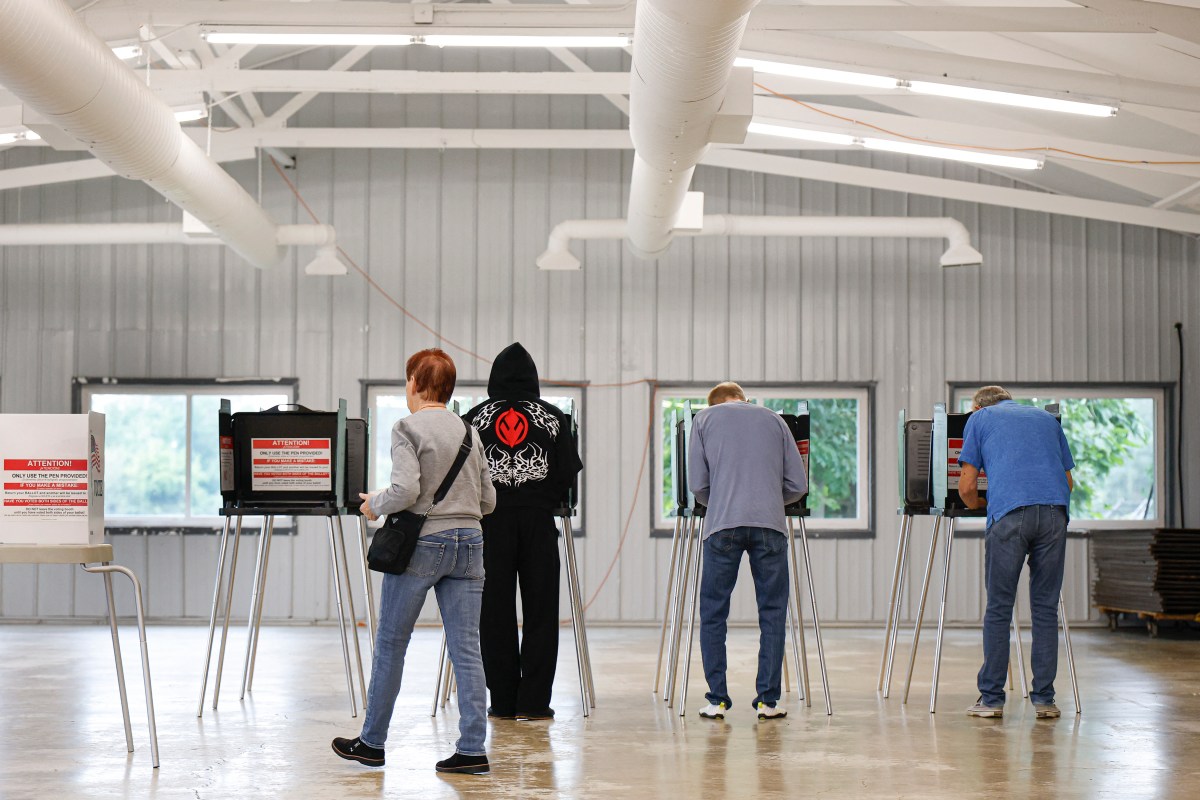
While the ruling comes too late for registered voters to be scratched from state voter rolls, with the midterms less than 90 days away, Jackson warned that the decision had come without a full hearing, calling the majority's assessment "back of the napkin."
In her dissent, joined by Justices Sonia Sotomayor and Elena Kagan, Jackson warned that the court had misused its powers.
"In my view, however, the harm caused by burdening or disenfranchising even a few lawful voters outweighs the nonexistent harm that the Government experiences when it is prevented from taking an action that it likely lacks the authority to take," Jackson wrote. "This imbalance, along with the Government’s improbable merits arguments, should have compelled the Court to deny the stay."
In response to the ruling, DHS referred Newsweek to James Percival, the Department of Homeland Security’s General Counsel's comments on X.
"Yes, you read that right. We had to file an emergency petition in the Supreme Court just so we could use government data to help states stop noncitizens from illegally voting," he said.
The League of Women Voters, which led the challenge, told Newsweek in a statement it and its partners would do all they could to protect Americans' voting and privacy rights.
"Today’s decision is profoundly disappointing, as it puts millions of Americans at risk of being unlawfully targeted by the administration’s unreliable voter purge database weeks before the midterm elections," a spokesperson said. "However, this case is not over."
While the court did not ultimately decide on the legality of the modified SAVE program, it did conclude that the Trump administration was likely to succeed in its appeal and therefore deserved a stay while the case continues in the courts.
The majority's unsigned reasoning centered on part of U.S. immigration law, which says that "notwithstanding any other provisions of law," government entities cannot restrict the sharing of citizenship or immigration-status information with DHS. The court concluded that the language likely gives DHS the authority to request and receive that information from other agencies, like the SSA.
The justices rejected a lower court's conclusion that the modified SAVE program violated other laws, including the Social Security Act, writing that Congress created an information sharing regime that permits the type of citizenship verification SAVE was set up to do.
Part of the reasoning for granting the stay was an opinion that the federal government would suffer irreparable harm if it couldn't respond to requests from state and local election officials wanting to verify a voter's citizenship status.
Jackson, backed by Kagan and Sotomayor, argued that the court had moved too quickly and had given the government a win on an emergency basis before the full legal issues had been considered.
Her central argument was that her colleagues had misread the law they used as reasoning for granting the stay, writing that she understands it to not give DHS and the SSA affirmative authority to share the information in question.
"The D.C. Circuit denied a stay of the District Court’s order while reviewing the pending appeal," she wrote. "But, without full briefing or oral argument, this Court now grants one—rendering questionable interim rulings about two statutory provisions it has never before interpreted."
Jackson also warned about privacy, arguing that the SSA database contains highly sensitive information, including names, dates of birth, Social Security numbers and other personal records alongside citizenship status. She said DHS had rolled out the updated SAVE system without completing procedures outlined in the Privacy Act.
Friday's decision allows the Trump administration's modified SAVE system to continue operating while appeals continue, meaning that states can make inquiries again.
However, the court noted that federal law generally bars states from conducting voter roll purges within 90 days of a federal election, meaning the short-term impact of the stay is potentially minimal, but its impact could be felt more so long term.
Contact Newsweek editors on this story: Gabe Whisnant and Dave Siminoff.