Kunal Kapoor shares what his glucose patch showed after meals
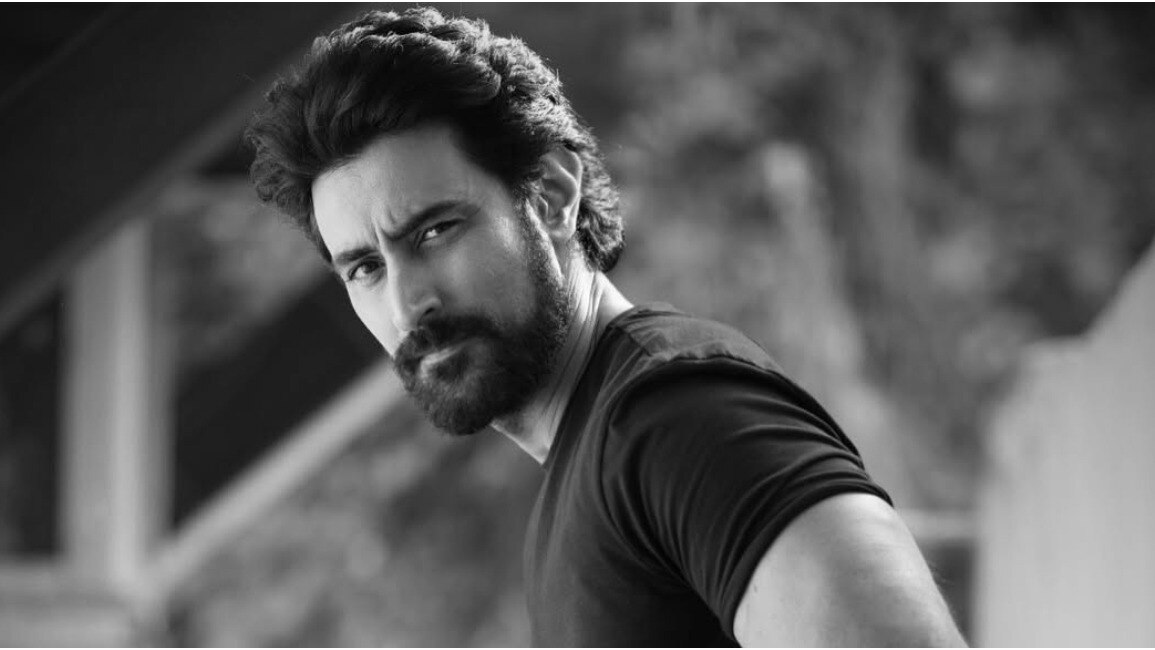
Kunal Kapoor has been tracking his blood sugar in real time after wearing a glucose monitoring patch and has shared some of his observations online. The actor said the experiment was meant to help him understand how his own body responds to different foods, movement and even stress.
In a post on X, Kapoor listed several differences he noticed while monitoring his glucose levels. He said cooled and reheated rice appeared to cause a smaller glucose spike for him, while eating vegetables and protein before carbohydrates also resulted in a smaller rise. He also observed a difference when he walked after eating and noted that a stressful phone call appeared to affect his glucose levels. Interestingly, he said sweet potato produced a bigger spike for him than oats.Wore a glucose patch to test things for myself. Here’s what I noticed.Rice cooled + reheated smaller spikeVeg + protein before carbs smaller spike20-min walk after eating lower spike than walking right awayStressful call glucose moved.Sweet potato bigger pic.twitter.com/V6jTDaeDVu— Kunal Kapoor (@kapoorkkunal) September 24, 2026
His observations come at a time when continuous glucose monitors, or CGMs, are increasingly being used outside traditional diabetes care as people become more interested in understanding their metabolism and blood sugar patterns. However, experts caution that glucose responses can vary significantly between people, so one person's response to a particular food cannot automatically apply to everyone.WHAT KUNAL KAPOOR NOTICED WHILE TRACKING GLUCOSE
Kapoor's experiment focused on everyday habits rather than following a strict diet. One of his observations involved rice. He said that when rice was cooled and later reheated, his glucose response was smaller than when he ate it freshly prepared.
Some scientific evidence supports the idea that cooling cooked rice can change its starch structure. When cooked rice is cooled, some of its starch undergoes a process called retrogradation, which can increase resistant starch. A study involving people with type 1 diabetes found that cooled and reheated rice produced lower post meal glucose measures than freshly cooked rice. However, the study was relatively small and involved people with type 1 diabetes, so the findings should not be treated as proof that cooled rice will produce the same response in everyone.
Kapoor also said that eating vegetables and protein before carbohydrates resulted in a smaller glucose spike for him. Research has previously found that the order in which foods are eaten can influence post-meal glucose and insulin levels. Studies in people with type 2 diabetes and prediabetes have reported lower glucose excursions when vegetables and protein were consumed before carbohydrates.WALKING AFTER A MEAL CAN AFFECT GLUCOSE
Another observation Kapoor shared was related to walking. He said a 20-minute walk after eating resulted in a lower glucose spike than walking immediately, though the exact timing and circumstances of his personal experiment were not detailed in the post.
Research does support the broader idea that physical activity after eating can influence post-meal glucose levels. A 2023 systematic review and meta-analysis of eight randomised trials involving 116 participants found that exercise after a meal reduced post-meal glucose excursions compared with no exercise and was more effective than exercise before eating. The researchers noted that activity closer to the meal generally had a stronger acute effect.
This does not mean that everyone needs to follow one fixed walking schedule. The response can depend on the meal, activity level, medication, fitness, insulin sensitivity and individual metabolism.STRESS MAY ALSO SHOW UP IN GLUCOSE READINGS
Kapoor also noticed that a stressful phone call was followed by a movement in his glucose levels. Stress can affect blood glucose because the body releases hormones such as adrenaline and cortisol during stressful situations. These hormones can alter how the body uses and releases glucose.
For Kapoor, the observation highlights why monitoring glucose over several hours can reveal changes that may not be obvious from food alone. However, a single reading cannot establish that stress was definitely responsible for a particular glucose change.SWEET POTATO SPIKE WAS HIGHER THAN OATS FOR HIM
One of the more unexpected observations Kapoor shared was that sweet potato produced a bigger glucose spike than oats.
Both foods contain carbohydrates, but their effect on blood sugar can vary depending on portion size, cooking method, meal composition and individual metabolism. The same food can also produce different responses in the same person on different days.
This is why Kapoor's final point was that the experiment was about understanding his own body. His observations are personal findings rather than dietary rules for everyone.
Continuous glucose monitors can provide useful information about glucose patterns, but they are not a substitute for medical testing or professional advice. For people with diabetes, prediabetes or symptoms related to blood sugar, glucose management should be discussed with a qualified healthcare professional.
Kapoor's experiment ultimately points to a larger idea: food, movement and stress can interact in complex ways, and individual glucose responses may not always match what people expect from general nutrition advice.- EndsPublished By: Smarica PantPublished On: Sep 24, 2026 15:07 IST
![[Notice] Free Invitation to Health Chosun's Health Smart Lectures - 헬스조선](https://health.chosun.com/english/site/data/img_dir/2026/09/23/2026092302827_0.jpg)