Lowering of criminal age may be voted on this year, rapporteur says - Valor International
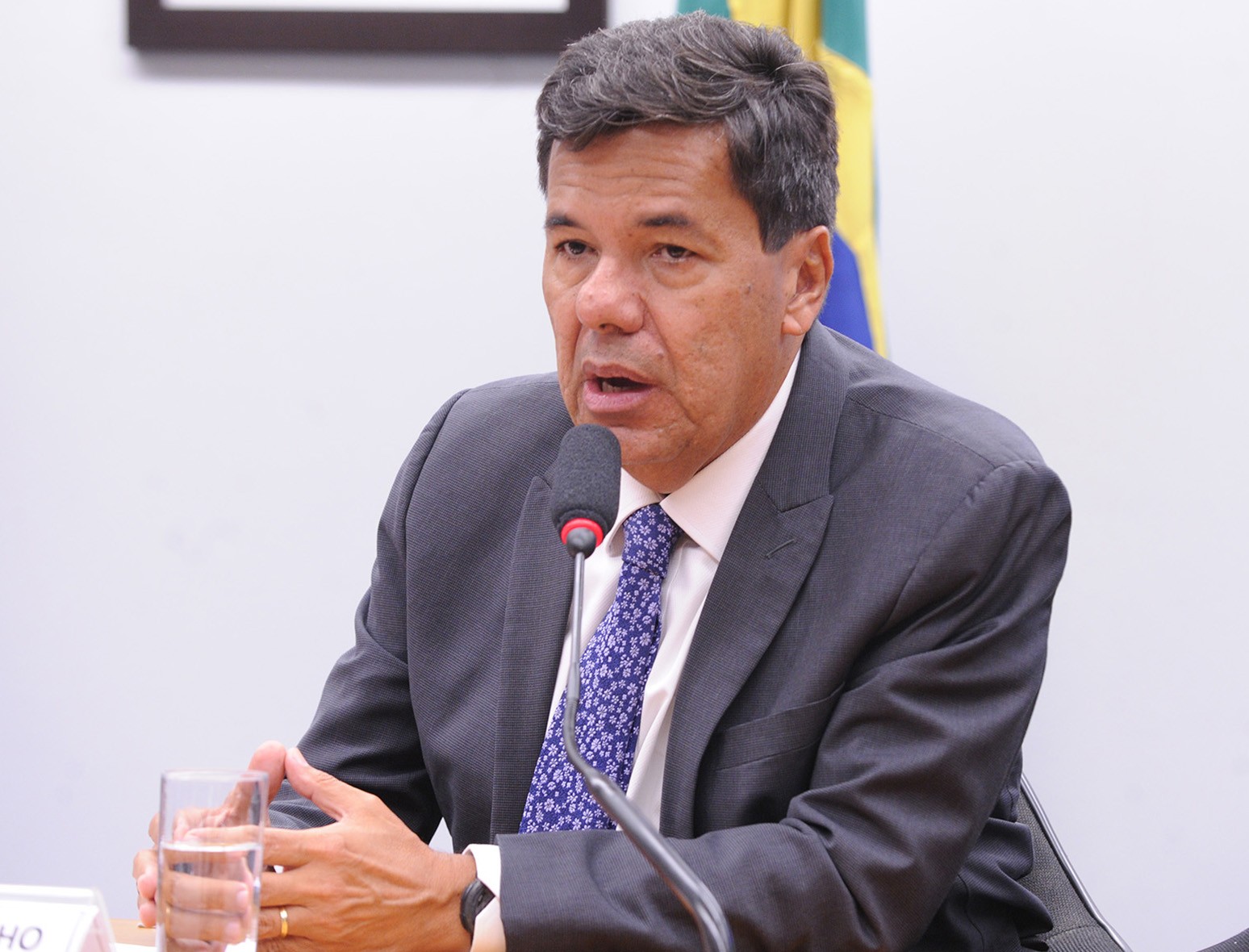
With the Senate’s decision to postpone a vote on lowering the age of criminal responsibility, the debate returns to the Chamber of Deputies, where Federal Deputy Mendonça Filho (Liberal Party, PL, Pernambuco), rapporteur of the proposal in the special committee discussing the issue, intends to speed up proceedings so that the Chamber of Deputies can vote on the text before the end of the year.
Mendonça Filho personally supports lowering the age of criminal responsibility from 18 to 16 for all types of crime, not just heinous crimes, as the government proposed during the Senate debate. The rapporteur, however, says the proposal could be adjusted depending on the prevailing view among lawmakers.
This week, the Senate approved a proposed constitutional amendment (PEC) establishing new public security rules, but the section on lowering the age of criminal responsibility was not put to a vote following an agreement with the government.
The committee’s chairman, Federal Deputy Aluisio Mendes (Republicans of Maranhão), estimates that the proposal, on the terms advocated by the rapporteur, could secure between 370 and 400 votes on the floor of the Chamber. A more moderate version could receive as many as 450 votes. The proposal introduced by Workers’ Party (PT) leader in the Senate, Camilo Santana (Ceará), would lower the age of criminal responsibility to 16 only in cases involving heinous crimes, such as homicide.
“Personally, I support 16 for all types of crime, not just heinous crimes. But we’ll talk,” the rapporteur said. According to Mendonça, the debate is still taking shape, with public hearings and discussions with political parties underway. The lawmaker said he intends to gauge the positions of the party caucuses before settling on a position on the text. He has not yet discussed the matter with Chamber Speaker Hugo Motta (Republicans of Paraíba). “I should reach out to Hugo next week, when talks resume following the election and discussions begin about his reelection.”
Civil society representatives, however, argue that lowering the age of criminal responsibility does not reduce violence. A UNICEF study also found that no G20 country sets the age of criminal responsibility below 18. Of the 20 countries in Latin America, including Brazil, 19 set it at 18. Haiti is the only country where it is 16. In the U.S., the age varies by state.
According to Mendes, Motta asked him to speed up the special committee’s work. He has therefore scheduled two meetings a week, with a commitment to present the committee’s report later this month.
The committee also plans to hold between eight and 10 public hearings, with half the invited participants in favor of lowering the age of criminal responsibility and half opposed. Those expected to testify include UNICEF representatives, prosecutors from juvenile courts, human rights groups and organizations involved in protecting children and adolescents, as well as judges, prosecutors, police officers and representatives of the prison system.
The aim, he said, is to bring together different positions to ensure a pluralistic debate. The hearings are expected to take place on Tuesdays and Wednesdays through the final week of November.
The lawmaker stressed that Mendonça’s report is practically finished, but said a new element has emerged in the debate following amendments submitted by the government and the opposition in the Senate. In addition to Santana, the Senate opposition leader, Senator Rogério Marinho (PL of Rio Grande do Norte), submitted an amendment proposing that the age of criminal responsibility be lowered to 14 in cases involving heinous crimes.
Mendonça Filho said it would only be possible to gauge the level of support after speaking with the party caucuses and gathering their views. He believes there is room for the Chamber, with its current composition, to vote on the proposal before the end of the year.
“It would be interesting to vote on it during this legislative term, with this makeup of Congress. Motta also needs to send a signal to right-wing groups. It makes sense to move forward. Even Lula, who was strongly opposed to the issue, had to back down, provided the change was limited to heinous crimes. The issue is gaining traction and was very much on voters’ minds during the elections,” he said. Mendonça Filho ran for a Senate seat but was not elected. As a result, he will not be in Congress next year and wants to secure approval of the proposal in 2026.
For Luís Bittencourt, UNICEF Brazil’s child protection officer specializing in violence prevention, lowering the age of criminal responsibility does not help reduce violence. “We are contributing to the debate on the age of criminal responsibility and showing, based on evidence, that lowering it does not have the expected impact on public security,” he said.
He acknowledged, however, that Brazilian society has legitimate concerns about all issues related to violence. “But lowering the age of criminal responsibility in no way contributes to reducing violence,” he argued.
According to Bittencourt, over the past 10 years, Brazil’s juvenile justice system has recorded a decline of more than 35% in the number of adolescents apprehended. The number of adolescents placed in juvenile detention has also fallen significantly, by more than 40%. “This shows that adolescents are indeed becoming less involved in offenses. Moreover, adolescents account for only 1% to 2% of all violent crimes,” he said.
He also said Brazil’s juvenile justice system is designed specifically for adolescents. “Adolescents should be held accountable, but within a system that ensures accountability appropriate to this stage of life, so that as they transition into adulthood, they can make a positive contribution to society.”
This article was translated from Valor Econômico using an artificial intelligence tool under the supervision of the Valor International editorial team to ensure accuracy, clarity, and adherence to our editorial standards. Read our Editorial Principles.