Lula resumes cabinet talks as allies vie for key posts - Valor International
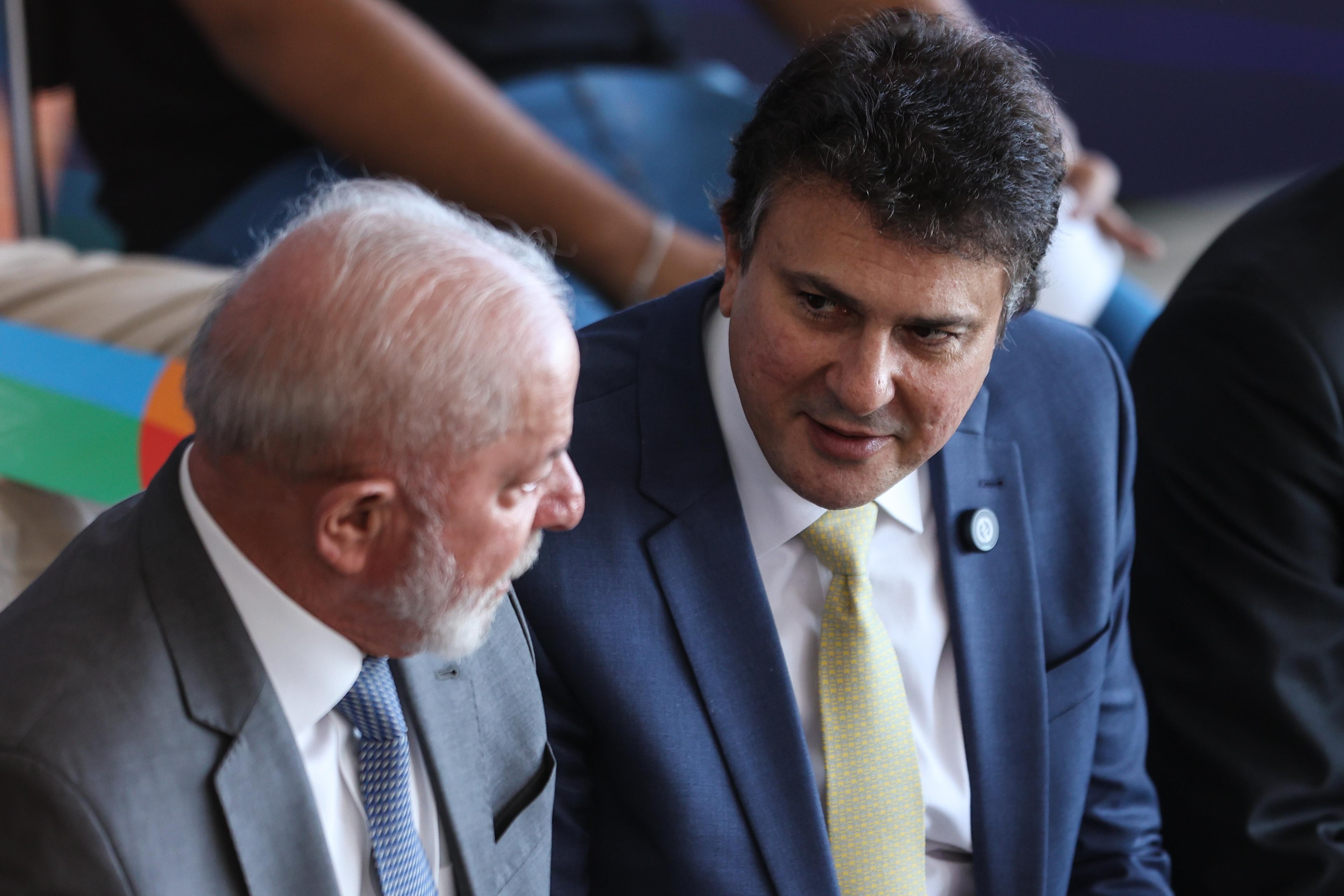
President Lula has resumed talks with his closest political allies over the makeup of his fourth-term administration, as financial markets look for signs of a policy shift and coalition parties jockey for positions in the new government.
Lula met senior Workers’ Party figures on Tuesday (17) to review negotiations with other parties, but allies expect him to take several more days before announcing his first cabinet appointments. The meeting brought together Workers’ Party President Edinho Silva, former presidential chief of staff Rui Costa, former Education Minister Camilo Santana and Rafael Fonteles, the reelected governor of Piauí.
In recent weeks, the four allies have held a series of meetings with political parties and their leaders to discuss forming the next administration. Costa, Santana and Fonteles gained prominence during the presidential runoff campaign and have since joined Lula’s inner circle for his fourth term.
Tuesday’s meeting was intended as an initial discussion rather than a decision-making occasion. The allies briefed Lula on their negotiations with other parties. They resumed assembling the new administration after the president spent a week abroad visiting Asia and Europe.
Allies emphasize, however, that Lula typically consults several advisers before making decisions. They therefore expect him to take a few more days before announcing his first appointments.
Costa and Fonteles traveled to Brasília on Tuesday specifically to meet Lula. Santana, a senator, was already in the capital working to secure Senate support for the government’s fiscal adjustment bill. All three are being considered for positions in the next administration.
Santana, for example, gained considerable influence during Lula’s third term as education minister and further strengthened his political standing by helping secure the reelection of Ceará Governor Elmano de Freitas this year. As a result, the former minister is now seen as a potential successor to Lula in the 2030 presidential election.
With an eye toward a possible future presidential bid, Santana has also emerged as a candidate to head the presidential chief of staff’s office, one of the government’s most powerful positions, responsible for coordinating policy across the administration.
Fonteles, meanwhile, was reelected governor of Piauí but is being considered for the Finance Ministry. Brazilian financial assets posted modest gains amid speculation about his possible appointment, as investors responded favorably to the prospect.
Within the Workers’ Party, however, a faction opposed to fiscal austerity has already begun expressing private concern about the possibility of Fonteles taking over the ministry. Leaders from that wing of the party believe the governor would take a more fiscally conservative approach than former Finance Minister Fernando Haddad.
Costa, for his part, is also being considered for a cabinet position in Lula’s fourth term, having been among the president’s closest advisers during his third administration. However, doubts remain within the government about his future role. Costa was elected to the Senate, and administration officials see a need to strengthen Lula’s congressional support in the upper house, which will be more conservative beginning in 2027.
As Valor previously reported, Lula is expected to resume direct negotiations with political parties this week as he works to assemble his next administration.
Since his reelection on October 25, Silva has held an initial round of talks with party leaders to assess how many votes their congressional delegations could deliver for the administration’s legislative priorities. The expectation now is that Lula himself will join the negotiations.
On Tuesday, the president also discussed progress on legislation and other measures the government considers short-term priorities, including a decree on the proposed end of Brazil’s six-day workweek with one day off and the fiscal adjustment bill currently before Congress.
The government’s strategy, endorsed by Lula, is to insist that the fiscal package does not amount to the sweeping spending cuts his campaign accused Senator Flávio Bolsonaro of proposing during the election, or to a betrayal of campaign promises, as some members of the governing coalition have argued.
Economists and financial-market participants, however, consider the package insufficient to address Brazil’s fiscal imbalances. Dissatisfaction with the government’s proposed fiscal adjustment has also spread across social media. One forum for the criticism is “Lula’s Army,” a messaging channel created during the election campaign to mobilize supporters.
In posts by Congressman André Janones, who runs the channel, participants have responded with scissors emojis—a reference to the sweeping spending cuts they accuse the government of pursuing.
This article was translated from Valor Econômico using an artificial intelligence tool under the supervision of the Valor International editorial team to ensure accuracy, clarity, and adherence to our editorial standards. Read our Editorial Principles.