Maharashtra poll chief had written letter echoing SIR concerns flagged by ECs
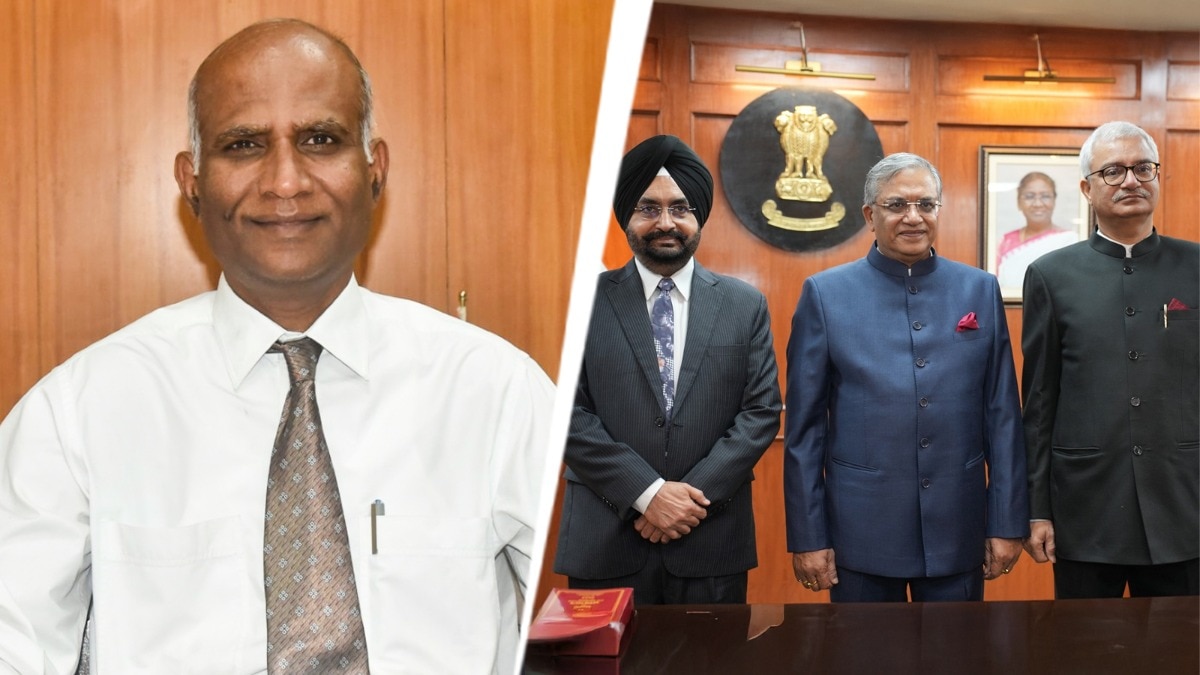
Amid a simmering row over dissent within the Election Commission (EC) over the Special Intensive Revision (SIR) of electoral rolls, Maharashtra Chief Electoral Officer (CEO) S Chockalingam sought greater discretion for local election officials using the poll body's ECINet software. The ECINet is the poll panel's centralised digital platform for managing electoral rolls and other election-related functions.
In a September 24 letter to senior EC officials, Chockalingam sought five changes to ECINet, each aimed at allowing Electoral Registration Officers (EROs) to exercise powers that they already have under election law. The CEO's demands echo concerns earlier raised by the two Election Commissioners – Sukhbir Singh Sandhu and Vivek Joshi – that the software was restricting powers that EROs are legally entitled to exercise, The Indian Express reported.
EROs are officials at the sub-divisional level who are responsible for preparing electoral rolls, considering claims and objections and deciding on inclusion or deletion of names.
Maharashtra is currently in the notice phase of the SIR, an exercise to weed out ineligible voters. The state's draft electoral roll, published on August 31, had 21.1 per cent fewer electors than the previous roll, while the final roll is due on November 16.
One of Chockalingam's requests was for an option allowing EROs to exempt voters from personal hearings when they have submitted valid and satisfactory documents.
He sought an additional option for voters to submit documents other than the 13 listed in SIR notices, noting that people from tribal, homeless and sex-worker communities may not have documents on the indicative list, The Indian Express reported.
The Maharashtra CEO also sought the ability for EROs to dispose of certain "logical discrepancy" cases themselves when they are satisfied with the evidence, rather than having to send them to district-level officials. A "logical discrepancy" is a mismatch flagged by the system and does not by itself mean that the person is ineligible to vote.
Such discrepancies arise when ECINet is unable to match an elector with a parent or grandparent in the electoral roll from the last SIR – for instance, because of a mismatch in a parent's name or age, according to The Indian Express.
Chockalingam demanded that uploading an "Extract of Last SIR" be made optional in discrepancy cases, since the system has already identified the mismatch using the previous SIR roll, according to the report.
The CEO additionally sought FAQs and written instructions for EROs, saying they have "number of queries" about the process and that oral instructions from the ECI or CEO are insufficient. The FAQs, he said, should cover notices, document submission, hearings and disposal of cases, the Express report said.
The SIR exercise began in June last year and has led to over 13 crore names being deleted from the draft voter rolls in 30 states and Union Territories so far.WHAT EC DECIDED?
Following a meeting of the full commission on September 26, the EC announced decisions that addressed some of the concerns around the SIR process.
The EC said electors flagged for logical discrepancies would not have to appear personally for hearings in such cases, with Booth Level Officers (BLOs) instead collecting documents from their homes and uploading them on ECINet. It also said further flexibility would be provided to field officers wherever required, The Indian Express reported.
The poll panel decided that ECINet would be reviewed by a committee headed by a senior Deputy Election Commissioner and include an independent expert from an IIT or IIIT, the report said.
The ECINet was launched on January 22 as the technology backbone for its electoral system, bringing more than 40 applications and portals under one platform. The system is used in the management and updating of electoral-roll data.
The Express investigation reported that Sandhu and Joshi had raised concerns about the centralisation of the electoral-roll database and restricted access for state-level officials. In one of the issues highlighted by the investigation, state-level officials could have the legal authority to take a decision but lack a corresponding option on the software to record that decision.
The Maharashtra CEO's letter, therefore, raises a similar issue: the legal discretion available to an ERO may not always have a corresponding function on ECINet.CEO'S DEMANDS COME AMID SIR DISSENT ROW
The Maharashtra CEO's demands came days after an explosive Express investigation revealed that Sandhu and Joshi had formally objected at least 14 times over 10 months to decisions and processes related to the SIR and electoral rolls.
According to the report, their objections covered issues including changes to Form 6, used for new voter registration, deletion and restoration of names, appeals against decisions restoring voters and the centralisation of the electoral-roll database.
The EC, responding to the Express report, said "differing views" were a normal part of deliberations and maintained that the SIR-related decisions had been taken unanimously.- Ends
Journalist. Where ever there is news, you will find her there. Covers court, crime and is also part of the India Today Fact Check Team. But her first love remains - Photography.