Major Visa Update as Trump Admin Targets Birth Tourism 'Fixer' Ahead of Xi Visit - Newsweek
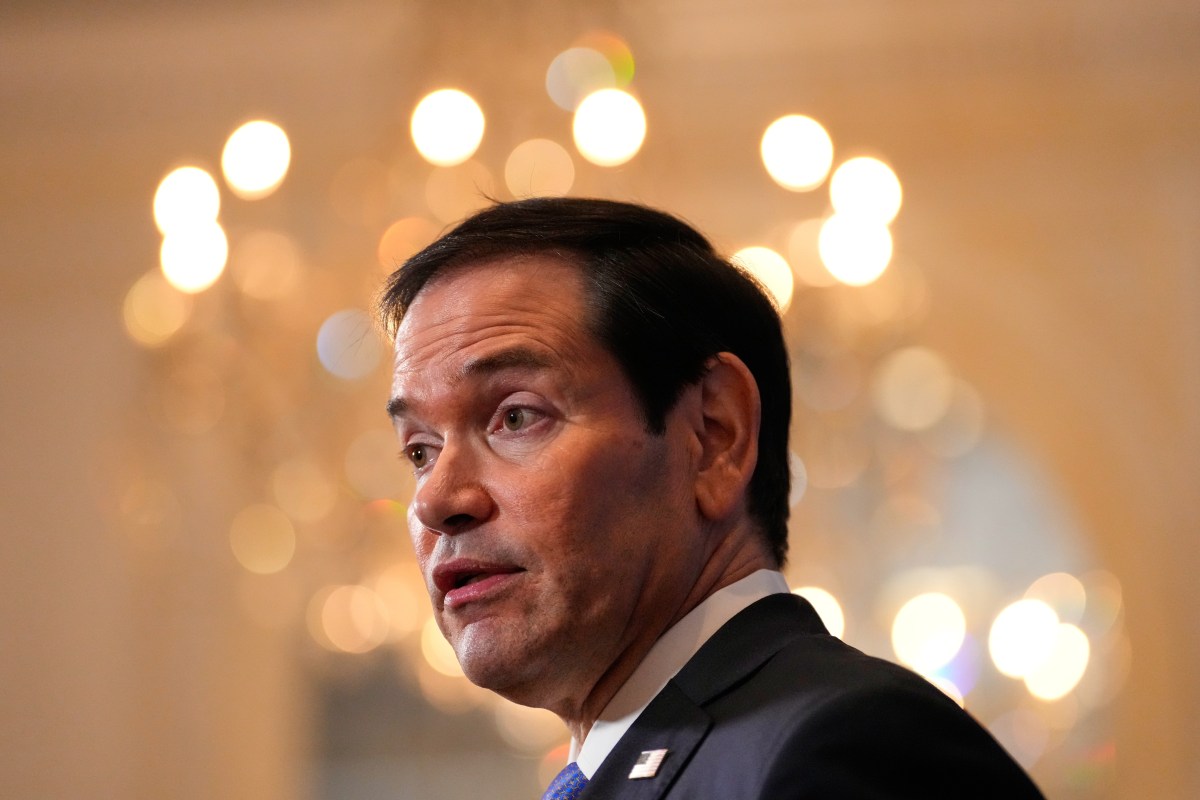
Secretary of State Marco Rubio has announced a new crackdown on what he described as “birth tourism” networks exploiting U.S. immigration rules to secure American citizenship for foreign-born children.
The announcement Wednesday came just hours before President Donald Trump was due to personally greet Chinese President Xi Jinping at Joint Base Andrews, kicking off the Chinese leader’s three-day state visit.
The timing puts a fresh spotlight on China, which has repeatedly featured in Trump administration discussions about birth tourism. Trump has pointed to wealthy Chinese parents seeking to have children born in the United States, while Chinese nationals have also figured prominently in previous investigations and reporting about commercial birth-tourism operations.
Rubio’s announcement, however, does not single out China. Instead, it establishes a new visa restriction policy under Section 212(a)(3)(C) of the Immigration and Nationality Act for people who knowingly engage in or facilitate commercial birth tourism.
The State Department specifically named owners, operators and managers of birth-tourism networks; visa “fixers” who coach applicants to commit fraud; foreign medical providers who knowingly facilitate such travel; and others who support or enable the practice.
The announcement comes as Trump and Xi prepare to discuss a broader U.S.-China agenda during Xi’s first state visit to Washington in more than a decade, with trade, technology and other bilateral tensions high on the agenda.
“Birth tourism” generally refers to travel to another country with the primary purpose of giving birth there so that the child can obtain citizenship.
Under current State Department guidance, birth tourism is not a permissible purpose for a B-1/B-2 visitor visa. The department's guidance distinguishes that purpose from other legitimate reasons for a visitor to travel to the United States, including tourism, visiting family and friends, business activities and medical treatment.
The State Department first announced a specific regulatory change addressing birth tourism in January 2020. Under that rule, consular officers were instructed to deny a B visa application when they had reason to believe the applicant's primary purpose was to give birth in the United States so the child would obtain U.S. citizenship.
Rubio said the new policy is being implemented under Section 212(a)(3)(C) of the Immigration and Nationality Act.
The State Department says the measure is intended to target people who knowingly participate in or facilitate commercial birth tourism. That includes people running birth-tourism businesses, visa “fixers,” certain medical providers and others who knowingly support the arrangements.
The administration says these networks advertise services to foreign nationals, coach applicants to lie on visa applications and charge tens of thousands of dollars to arrange U.S. births.
Trump has repeatedly linked birth tourism to his broader criticism of birthright citizenship, including specifically referencing wealthy foreign nationals from China.
In a March 30 post, Trump wrote that “Birthright Citizenship is not about rich people from China, and the rest of the World” who want their children to become U.S. citizens.
Trump has also described birth tourism as a reason for his administration to scrutinize who enters the United States. Following the Supreme Court's ruling this year rejecting Trump's attempts to end birthright citizenship, White House Deputy Chief of Staff Stephen Miller said, “You have to now think very carefully about who you let into your country, even on a temporary basis” because of birth tourism.
The State Department has previously attempted to prevent birth tourism, introducing specific guidance in January 2020 allowing consular officers to deny a visitor visa when they had reason to believe an applicant's primary purpose was to travel to the United States to give birth so that the child would obtain U.S. citizenship.
Rubio has also used stronger language in describing the commercial operations targeted by the administration. In August, he said, “American citizenship is not for sale,” and accused birth-tourism networks of “coaching foreigners to defraud the U.S. visa system, arranging travel and housing, and even forging documents.”
Wednesday's announcement takes that enforcement effort further by specifically targeting people who facilitate the practice.
Traveling to the United States while pregnant is not, by itself, prohibited.
The new policy is aimed at the people and businesses facilitating those arrangements, rather than creating a blanket visa prohibition for pregnant travelers.
The State Department's current visitor-visa guidance specifically lists “medical treatment” among activities permitted under a B-2 visitor visa.
However, existing State Department guidance says birth tourism—traveling to the U.S. primarily to give birth so a child obtains U.S. citizenship—is not a permissible basis for issuance of a visitor visa.
Trump is scheduled to meet Xi Jinping during the Chinese president's state visit to Washington from Wednesday to Friday.
The White House said Trump would greet Xi and his wife, Peng Liyuan, at Joint Base Andrews on Wednesday. On Thursday, Trump and first lady Melania Trump are scheduled to host a formal state arrival ceremony at the White House, followed by additional events including a state dinner.
The birth-tourism announcement comes as the two governments are also preparing to discuss the wider U.S.-China relationship. The juxtaposition gives the new visa restrictions particular relevance for readers following U.S. policy toward Chinese nationals, although the State Department's announcement itself applies to people who meet the policy's criteria regardless of nationality.
Foreign nationals seeking a U.S. visitor visa generally begin by completing the online DS-160 application and following the instructions of the U.S. Embassy or Consulate handling their application. The State Department says applicants should generally schedule their interview in their country of residence, although updated guidance also addresses applications based on nationality and designated processing locations.
Applicants should check the specific U.S. Embassy or Consulate website for instructions on paying the application fee and scheduling an appointment, because procedures can vary by location.
The State Department also publishes estimated visa interview wait times. It says appointments are added regularly and applicants who have already scheduled an interview can check for earlier available slots. Wait-time estimates do not guarantee that a particular appointment will be available.
Applicants should provide truthful information about the purpose of their trip. For B visas, the State Department specifically states that traveling to the United States primarily to give birth so that a child obtains U.S. citizenship is not a permissible basis for issuance of the visa.
The new restrictions announced by Rubio thus add another layer to the administration's enforcement effort, with the State Department explicitly focusing on the people and organizations it says facilitate commercial birth tourism.
Newsweek’s reporters and editors used Martyn, our AI assistant, to produce this story. Learn more about Martyn here. Contact Newsweek editors on this story: Edward T. Cummins.