Map Shows States Making SNAP Card Changes—What It Means For Your Benefits - Newsweek
Millions of Americans who receive Supplemental Nutrition Assistance Program (SNAP) benefits are beginning to get new chip-enabled payment cards, as states move away from magnetic-stripe technology in an effort to combat the theft of benefits.
New Jersey is the latest state to complete a statewide rollout on Sept. 10, with the state's Department of Human Services announcing that new chip-enabled Electronic Benefit Transfer (EBT) cards had been distributed to SNAP and Work First New Jersey recipients across the state.
The expansion followed a three-county pilot that recorded more than 100,000 chip transactions and 41,000 tap-to-pay transactions.
The same day, Virginia announced the rollout of its new "chip-and-tap" cards. The Virginia Department of Social Services says cards will be issued between September and December, replacing existing magnetic-stripe-only cards. Recipients' existing benefit balances will automatically transfer to their new cards.
The changes are part of a wider movement to modernize SNAP payment technology after hundreds of millions of dollars in benefits were stolen from recipients using methods including card skimming and cloning.
Traditional EBT cards have historically relied heavily on magnetic stripes similar to older debit and credit cards. Criminals can attach "skimming" equipment to payment terminals to capture information stored on the stripe, including card details, then use that information to create cloned cards and drain a recipient's account.
Chip-enabled cards are more secure because the chip creates a unique transaction code each time the card is used, making the payment information far harder to copy and reuse. Contactless "tap" payments use similar technology. The cards may still include a magnetic stripe so they can be used at retailers that have not yet upgraded their payment systems.
The technology does not eliminate every form of benefit theft. Phishing scams can still trick recipients into revealing their card number and PIN, and some retailers may temporarily require customers to swipe until their payment systems are upgraded. The USDA nevertheless says chip cards are harder to copy and make it more difficult to steal SNAP account information.
Changing cards does not change the amount of SNAP they are eligible to receive. Existing balances transfer to the replacement card, although recipients need to follow their state's instructions for activating it and setting a PIN.
A Government Accountability Office analysis of USDA data found states replaced more than $320 million in stolen SNAP benefits for nearly 679,000 households between October 1, 2022, and December 20, 2024. The GAO said that figure understates the true extent of thefts as it only includes unauthorized transactions for which victims submitted claims that were subsequently approved.
The stakes have increased because the federal program that allowed states to reimburse victims expired for SNAP benefits stolen after December 20, 2024. Unless a state uses its own money, recipients can therefore lose benefits without being reimbursed.
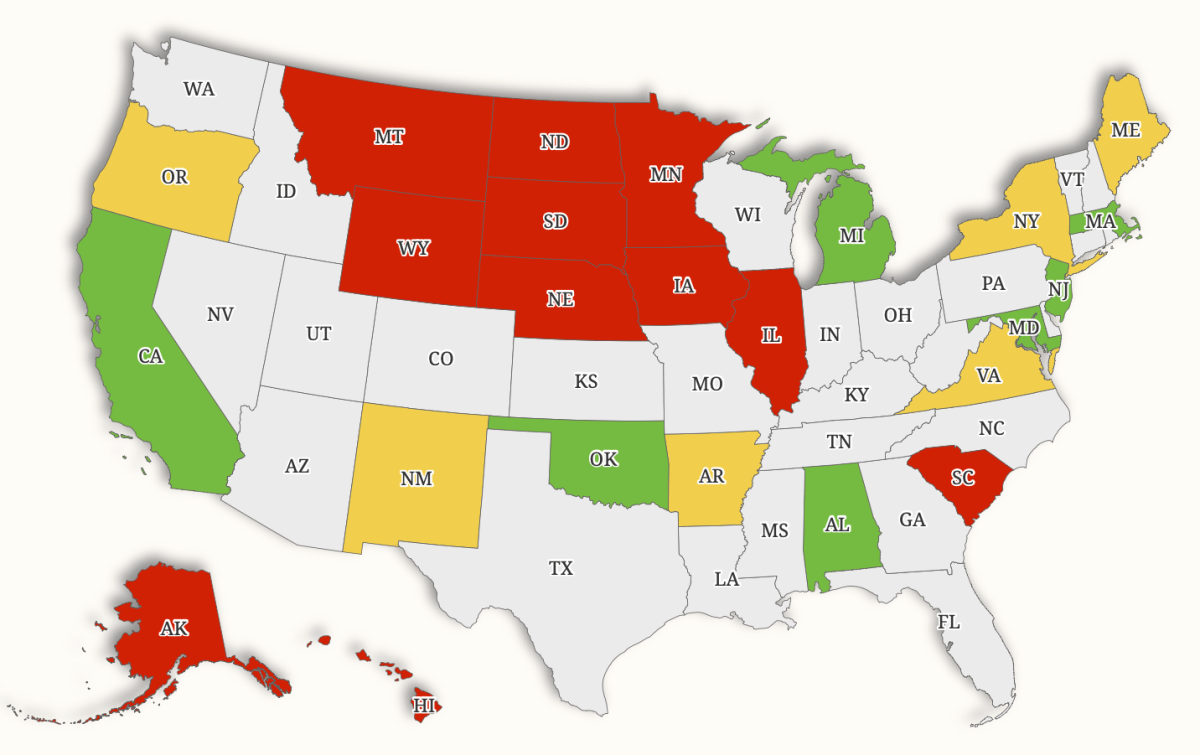
According to the USDA's latest chip-card map, last updated August 24, seven states had already issued chip-enabled EBT cards to at least some participants: Alabama, California, Maryland, Massachusetts, Michigan, New Jersey and Oklahoma.
California completed its statewide conversion in April 2025, issuing replacement cards to all 4.4 million EBT clients. Alabama mailed new chip cards to all cardholders statewide in February following a pilot.
Maryland launched statewide distribution in July, and by August 23 some 294,000 of nearly 507,000 recipients had activated their new cards. Massachusetts launched its statewide transition in July after piloting the cards around Worcester.
The USDA's tracker also lists Arkansas, Maine, New Mexico, New York, Oregon and Virginia as having chip-card projects in progress. Virginia has since begun its rollout. New York has said approximately 2 million new cards will begin being issued in the first quarter of 2027 after the state secured funding and selected a vendor.
The shift follows several years of federal efforts to strengthen EBT security. Congress directed the USDA in the Consolidated Appropriations Act of 2023 to develop regulations requiring states to implement new protections against skimming, cloning and similar methods of theft.
A major technical obstacle was removed in August 2024, when new national EBT standards allowing chip technology were finalized.
The USDA subsequently urged governors to invest in chip-enabled EBT cards and has been working with states, retailers and payment processors to make the technology usable nationwide.
Contact Newsweek editor on this story: Edward Pearcey.