Map Shows Which European Countries Are Preparing Citizens For Crisis - Newsweek
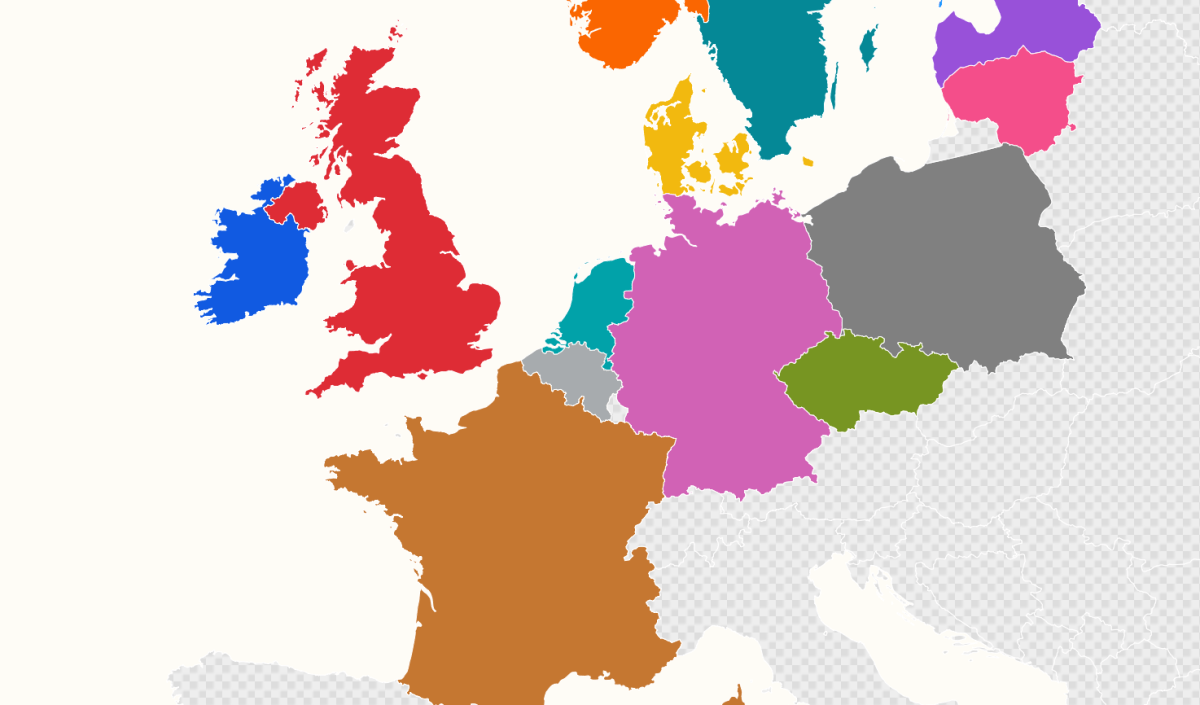
Governments across Europe are increasingly telling citizens to prepare at home for a major crisis like war, extreme weather and cybersecurity threats, with Ireland becoming the latest country to push emergency preparedness guidance directly into households.
Late in August, Ireland's government launched its new Be Emergency Ready campaign, with a preparedness booklet being distributed to households across the country from late September. The initiative is intended to give its citizens practical steps to take before major emergencies, such as keeping a supply of non-perishable food, fresh water, medicines and alternative ways to keep warm.
Ireland's advice follows a wave of similar preparedness campaigns elsewhere in Europe over the past two years. Across those campaigns, governments have told households to prepare for threats ranging from severe weather, flooding and prolonged power outages to cyberattacks, sabotage and disruption of essential services. In countries closer to Russia, which continues to wage its war in Ukraine for the fourth year running, citizens are also being told how to prepare for military conflict, evacuation and, in some cases, occupation and how to resist it.
Europe on the whole has been shoring up its preparedness as new safety threats emerge. The European Commission said when it unveiled its Preparedness Union Strategy in March 2025 that Europe faced growing geopolitical tensions and conflicts, cybersecurity and hybrid threats, foreign information manipulation and increasingly severe natural disasters owing to climate change.
Estonia began sending crisis-management guides to nearly 600,000 homes in spring 2024, covering both civilian emergencies and military crises.
Latvia updated its national 72 Hours crisis booklet in April 2024, while Lithuania followed later that year with its "If Crisis or War Comes" guide. Lithuania's guide includes advice on what to do in extreme wartime circumstances, such as if enemy troops enter your town or village, coming under occupation and how to join resistance efforts.
The United Kingdom launched its national Prepare campaign in May 2024, with advice covering risks including power and water outages, floods and cyberattacks.
Just across the sea in Ireland, the government’s Be Emergency Ready campaign is now distributing around 2.2 million booklets to households, with advice on preparing for severe weather, flooding, power and water outages and other emergencies.
In 2025, Poland unveiled a national Security Guide covering natural disasters, cyberattacks, sabotage and war. The Czech Republic also launched its 72 Hours campaign and later distributed 5.2 million preparedness guides to homes.
Germany released a revised national crisis guide in October 2025. The Netherlands began sending preparedness booklets to more than 8.5 million households the following month, while France published new national crisis guidance in November the same year.
Belgium also has its own emergency plans and three-day emergency kits through its National Crisis Center.
The Nordic countries moved in a similar direction during 2024. Norway increased its recommended period of household self-sufficiency from three days to one week and mailed updated advice nationwide, citing climate change, war and digital threats. Likewise, Denmark also issued national three-day preparedness guidance that summer.
Sweden distributed an updated "If Crisis or War Comes" booklet to households the same year.
"If Sweden is attacked, we will never surrender," the guidance, which describes war as "the ultimate threat to our freedom," reads.
In the same year, Finland launched new nationwide preparedness guidance, which also included advice on what to do in the event of a military conflict, as well as power failures, cyberattacks and extreme weather events.
The European Commission launched its Preparedness Union Strategy in March 2025, recommending that citizens maintain enough essential supplies to manage for at least 72 hours during a crisis, including armed conflicts, cyberattacks, natural disasters and health emergencies. It cites Russia's invasion of Ukraine and the COVID-19 pandemic as events that have exposed weaknesses in Europe's preparedness.
Concerns over Russian activity in Europe have intensified over the past two weeks. On September 15, EU foreign policy chief Kaja Kallas told the European Parliament that hybrid attacks against Europe had steadily increased since Russia’s full-scale invasion of Ukraine, citing a Russian warship firing flares at a Danish helicopter and NATO jets shooting down a drone over Lithuania within the previous 48 hours. NATO Military Committee Chair Admiral Giuseppe Cavo Dragone said on September 19 that Russia’s recent aggressions included airspace violations and drone incidents.
The day before, French President Emmanuel Macron said that Russian hybrid threats against France and other European countries had intensified in recent weeks, citing cyberattacks, information operations, and airspace incursions. He said France was increasing protection for critical infrastructure against cyber and drone attacks.
"In recent weeks, the threat—particularly the Russian hybrid threat—facing Europeans and France has intensified," Macron told reporters at the Elysee Palace on September 18.
The Kremlin has rejected accusations that Russia poses any threat to European countries. Kremlin spokesman Dmitry Peskov said on September 21 that Moscow had no hostile intentions toward France or other European states and denied that Moscow is attempting to influence Europe.
Contact Newsweek editors on this story: Ben Kelly and Tony Phillips.