Mark Zuckerberg gives everyone their own personal Muse
Around a couple of weeks ago, this newsletter asked whether Mark Zuckerberg and his $15 billion hire, which is Alexandr Wang, would succeed in challenging OpenAI and Anthropic? Now we know. The answer is Muse.
Launched around a couple of weeks ago, Muse has been making a lot of buzz. This week in particular was a big week for Muse, Zuckerberg and Wang, the world’s youngest self-made billionaire who also happens to be a memelord in the mold of Elon Musk.
The idea behind Muse is not new. But the execution is and, as this newsletter is repeating almost every week, in the world of AI the next couple of years are going to be all about execution because ChatGPTs and Claudes are already more than smart enough.
So, what is Muse? Around six months ago there was a sensational tool in the AI world. It was called Clawdbot, later renamed OpenClaw. To regular people, this tool gave the first glimpse of an AI agent, which is essentially an AI bot with the ability to control a computer and do things humans do. But it was still a hobby tool rather than something your mom and dad could take and use.
Fast forward eight months or so. Muse is a successor to OpenClaw and unlike a hobby tool, it is an AI system created by a large tech company — Meta.
It works similar to how OpenClaw does. Muse too is an AI system that has its own computer to operate on behalf of its user. But the scale and engineering of Meta means it can do things that currently no other AI tool does as simply or as effortlessly. And for free, at least for now. This ease and simplicity of doing things is the reason why it has suddenly become a rage, even though currently it is officially available only in the US.
Unlike users installing some new AI software like OpenClaw on their local computers, Muse is a tool where you sign up for it. Once you do it, Meta creates a powerful virtual computer somewhere in their massive AI data centres specifically for you and puts Muse in control of this computer. Now, Muse can do — if you give it permissions and your passwords and user credentials — almost anything you can do on your computer. And while it does whatever you want it to do, it also creates memories so after a few days and weeks it becomes your all-knowing and well-behaved virtual assistant.
This means Muse can shop on your behalf, can do web research for you, read your emails and reply to them, take actions on your behalf, such as applying to jobs you want to apply to, and can even scroll Instagram feeds for you. The idea is that if something can be done through a computer and a browser, Muse will do it for its users.
The simplicity and its daily utility means Muse is meant as a tool for regular, normal users. And not developers or some savants working in trading firms. It is closest to a powerful and simple AI assistant the world has seen so far.
Mark Zuckerberg and Meta know that they have a golden Muse on their hands. So, they have gone about town banging drums and blowing trumpets. “People just tell Muse what needs to get done, and it takes action, powered by Muse Spark, Meta’s most capable model to date, built for real-world agentic work like this,” the company says.
And unlike what we have heard from some other companies so far — Google Gemini and Apple Siri this one is on you — Muse seems to work the way it is supposed to work.
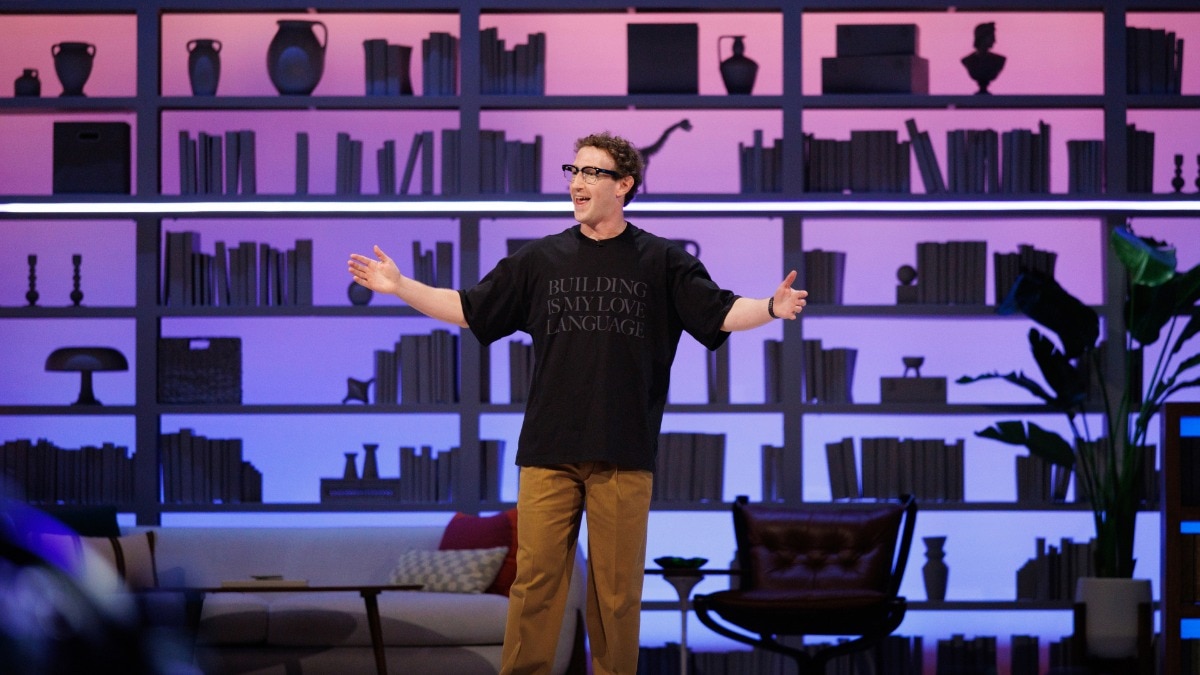
The initial buzz and adoption has sent Meta stock soaring. People are calling Mark Zuckerberg the next Steve Jobs. They are calling him the comeback kid, who had to spend the last two years frowning, sulking, and working while his young rivals like Altman and Dario hog all the limelight. When he took to the stage earlier this week at Connect, the company’s annual event where it announces new services and products, there was some new-found buoyancy in his steps. And then there is Alexandr Wang, the boy wonder who was acqui-hired by Zuckerberg at a cost of $15 billion. People had started to wonder if it was yet another expensive mistake from Zuckerberg. But this week people had their answer, largely through the buzz Muse has created and some through the memes that Wang, now the AI chief at Meta, is sharing on X. Apparently he is not just a wizard at AI but also a master of memes, almost touching the high benchmarks set by memelord Elon Musk.