MEA ‘monitoring developments’ of Russia sanctions bill in U.S. Congress
You don’t have any Active Subscription.
Account subscription benefits alongside Premium Stories, Editorials, Opinions and more. Unlock these with Subscription
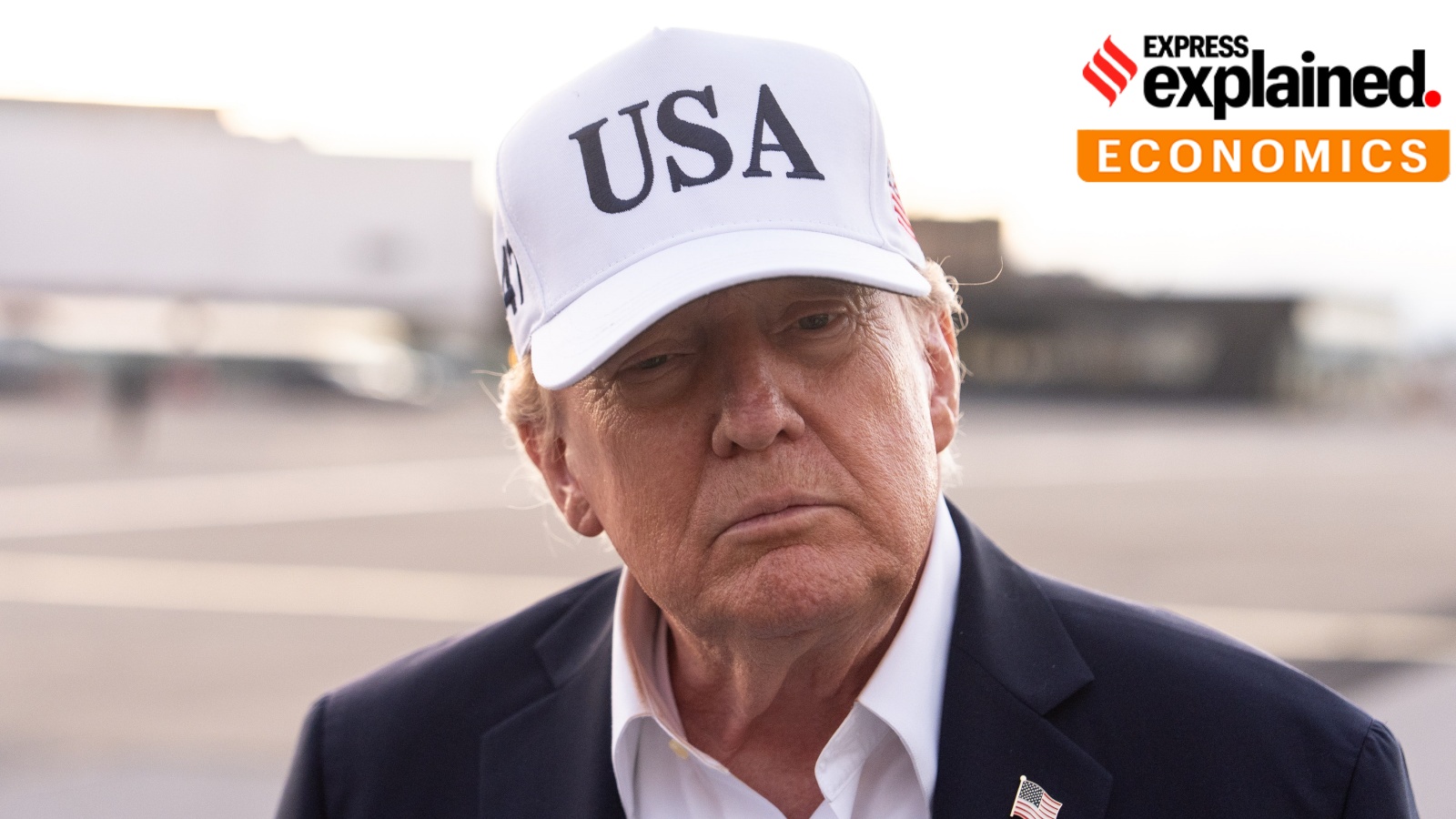
The Ministry of External Affairs has said that they have raised the issue with various U.S. interlocutors. Image for representation only | Photo Credit: Getty Images
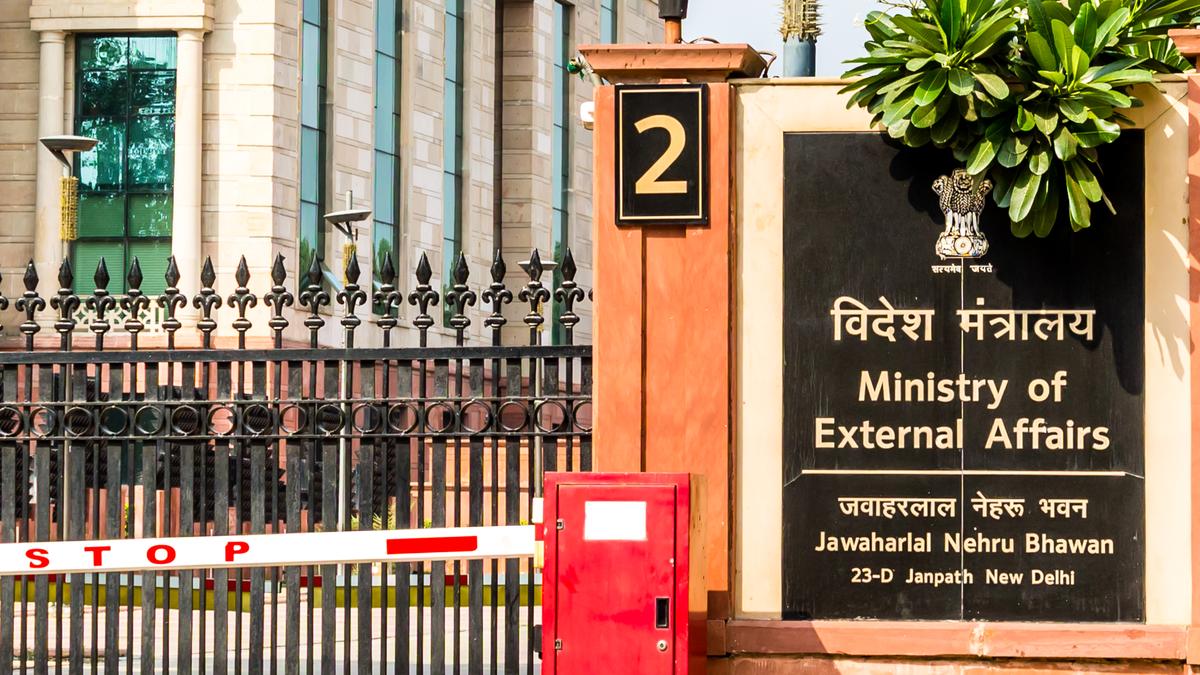
The Ministry of External Affairs (MEA) said on Thursday (September 17, 2026) it has noted the passage of the Sanctioning Russia and Iran Act in the U.S. Congress and is monitoring further developments on the matter. The Bill passed by the U.S. House of Representatives authorises the U.S. President to impose tariffs of up to 100% on India and other countries for buying oil and gas from Russia.
Also read | ‘U.S. pressure mounts, Modi govt keeps surrendering’: Mallikarjun Kharge on Russia sanctions bill
The Bill, which will now be sent to President Donald Trump for his signature, could result in significant U.S. tariffs on India.
In a statement issued on Thursday (September 17), the MEA said that they have raised the issue with various U.S. interlocutors. “Its potential implications for not just the bilateral relationship but also the international energy market have been very clearly articulated by the Indian side,” reads the statement.
The Ministry has stated that "India remains firmly committed to ensuring energy security for its 1.4 billion people”. This would be ensured through diversified sourcing and on the basis of evolving market dynamics.
“The Indian side has also made clear its determination to take all necessary measures to protect its trade and economic interests,” the Ministry said in the statement. It is said that the government would work closely with Indian trade and industry bodies to deal with the implications stemming from these developments.
Countries that would be potential targets for the tariff are the top five “largest importers, by total volume” of Russian-origin crude oil or natural gas in the 12 months preceding the date of enactment of the law, and have knowingly made new purchases of Russian crude oil after 30 days from the date the Bill becomes law.
Countries that have taken significant steps to reduce their Russian natural gas imports or whose gas imports were less than 15% of Russia’s total gas export, would be exempt from the sanctions.
New Delhi’s import of Russian oil hit a 11-month high in April this year following the U.S. and Israel’s war with Iran.
Earlier, India had cut back on purchases of Russian oil, hitting a 38-month low in December 2025. The Trump administration had announced an additional 25%, on top of an existing 25%, tariff on India for the purchase of Russian energy. The U.S. Treasury paused sanctions for oil shipments that were in transit before March 11, 2026, as supplies were hit following the U.S.-Iran conflict.
The latest Bill, an amendment to the Senate’s “Lindsey O. Graham Sanctioning Russia and Iran Act of 2026”, will now head to President Donald Trump’s desk for his signature.
Comments have to be in English, and in full sentences. They cannot be abusive or personal. Please abide by our community guidelines for posting your comments.
We have migrated to a new commenting platform. If you are already a registered user of The Hindu and logged in, you may continue to engage with our articles. If you do not have an account please register and login to post comments. Users can access their older comments by logging into their accounts on Vuukle.