
Merz Vows to Stay as Far-Right AfD Extends Winning Streak in Germany - Newsweek
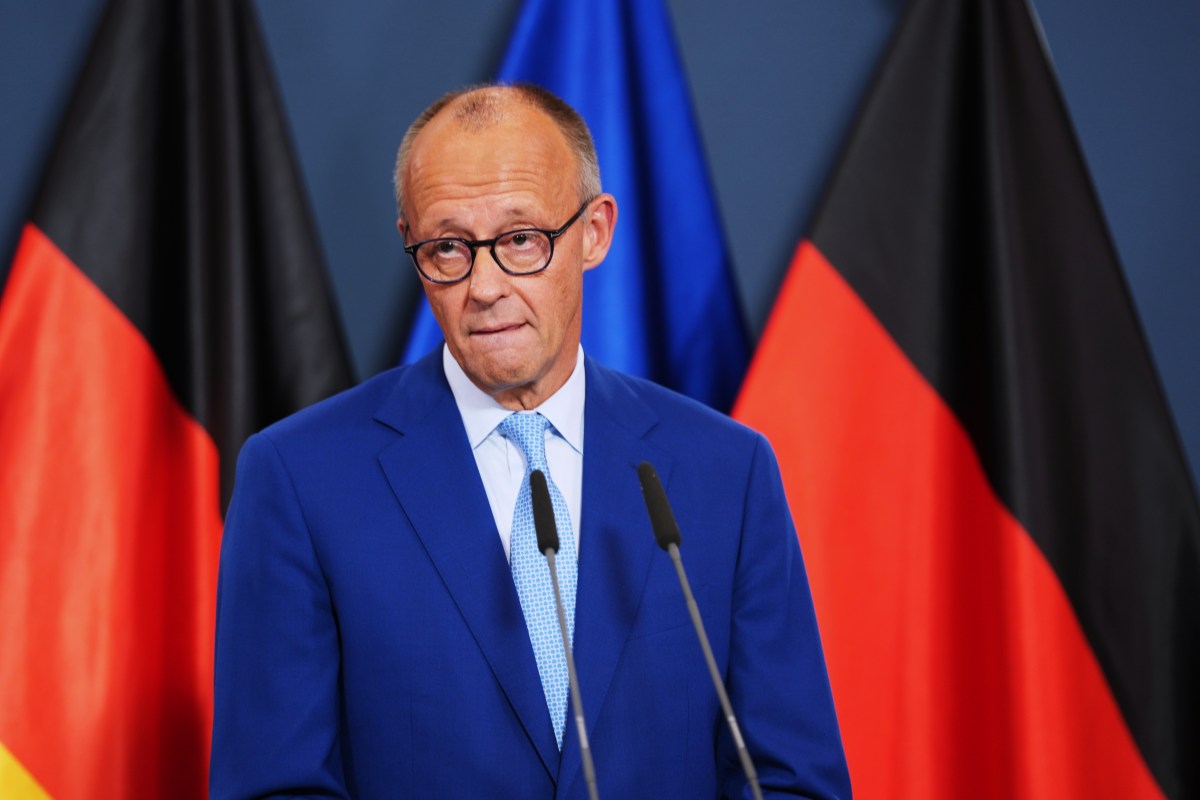
German Chancellor Friedrich Merz vowed to remain in office after his conservative bloc suffered another setback in regional elections, as the far-right Alternative for Germany (AfD) continued its recent electoral momentum with a second consecutive state-level victory.
The AfD won 37.9 percent in Mecklenburg-Western Pomerania and 16.2 percent in Berlin, according to exit polling from ARD. Merz's Christian Democratic Union (CDU) collapsed to 4.9 percent in Mecklenburg-Western Pomerania and fell to second place with 19.1 percent in Berlin. Meanwhile, the socialist Left Party (Die Linke) won the Berlin election with 25.3 percent.
The Associated Press reported that if the CDU stays below 5 percent in the final vote count, the party would fail for the first time to win seats in a state legislature anywhere in Germany.
Meanwhile, Merz described the latest outcome as a "disaster," but rejected calls to step aside, insisting he would continue leading the government despite mounting criticism from opponents and concerns among some members of his coalition, the AP reported.
“What needs to be done now requires backbone, steadfastness, and patience,” Merz said in a statement following the announcement of exit polls. “I will demonstrate these qualities as chairman of the CDU and, above all, as Chancellor of our country.”
Alice Weidel, AfD's national co-leader, said on ZDF television that "we have displaced the CDU as the people’s party,” adding that “we have a great deal to offer our voters, namely political change in this country."
Newsweek reached out to AfD, CDU and political analysts by email Sunday for comment.
The election result underscores the growing influence of the AfD, who has sought to capitalize on frustration among voters who feel traditional parties have failed to address their concerns, at a time when Germany is grappling with economic challenges, immigration debates and voter dissatisfaction with mainstream parties.
The far-right party's continued success has alarmed political leaders across Europe, where populist and nationalist movements have gained support in recent years.
The outcome could also shape Germany's political landscape ahead of future elections, with rivals watching closely to see whether the AfD's regional gains can translate into broader national support.
The AfD entered Sunday's election with momentum from a historic victory in the eastern state of Saxony-Anhalt on September 6.
There, the far-right party won 43.8 percent of the vote, more than double the support of Merz's CDU, which received 17.2 percent. While the AfD finished first by a wide margin, it fell just short of an outright majority, securing 39 of 83 seats in the state parliament.
The result marked the strongest showing by a far-right party in a German state election since World War II.
While the AfD has continued its electoral surge on Sunday, mainstream German parties have largely maintained a policy of refusing to govern with or formally cooperate with the AfD, leaving questions about how political power will be exercised in regions where the party finishes first.
Newsweek’s reporters and editors used Martyn, our AI assistant, to produce this story. Learn more about Martyn here.
Contact Newsweek editors for this story: Steve Mollman and Anthony Murray.