
Microplastics in Indian milk: Should you give it up?
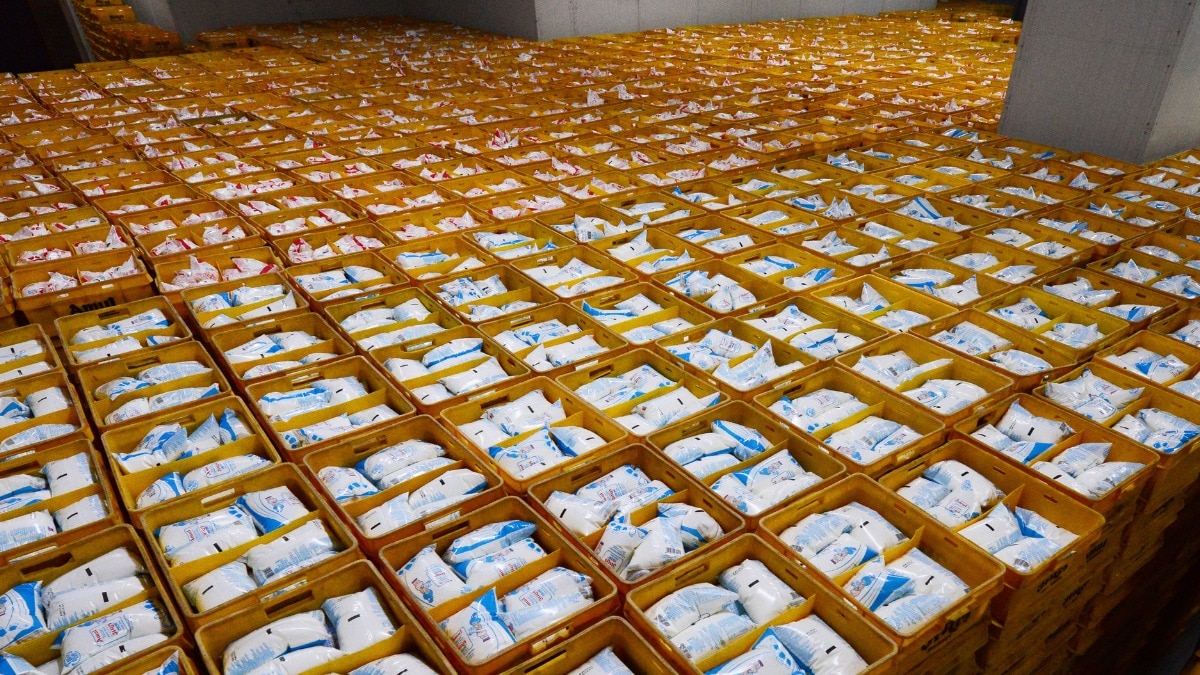
Milk may be one of India’s most trusted everyday foods, but new research suggests it could also be an unsuspected route through which microplastics are entering the body.
A study published in the Journal of Food Composition and Analysis in September detected microplastics in both commercially packaged and locally sourced raw cow milk in India. Researchers found 66 particles across nine samples, with concentrations ranging from three to 30 particles per litre.
Most were fibres or fragments, and laboratory analysis confirmed polyethylene and polypropylene—two plastics widely used in packaging—as dominant polymers. The researchers said interaction with food packaging was one likely route of contamination, although microplastics were also present in raw milk.
The findings add to evidence published earlier this year that pointed even more strongly towards packaging. A January study in the journal Food and Chemical Toxicology, conducted by researchers at the National Forensic Sciences University in Gujarat, examined six commonly consumed packaged milk brands as well as farm-fresh milk. Farm milk contained about 17.8 microplastic particles per litre while packaged samples ranged from about 37.8 to 71.1 particles per litre—up to four times the level in fresh milk.
Low-density polyethylene, commonly used in milk packaging, was the dominant plastic in packaged samples, according to the study. Researchers said plastics could enter milk at several stages, including through fodder bags, milking equipment, filters and other processing tools, with packaging potentially adding further contamination.
What worries health researchers is not simply that these particles are being swallowed but what repeated exposure over years could potentially do inside the body. Experts say research into the human health consequences is still developing, and detecting microplastics in food does not mean that drinking a particular quantity of milk has been proven to cause disease.
However, laboratory and animal studies have linked microplastic exposure with inflammation, oxidative stress, tissue injury and disruption of normal cellular processes. A major systematic review published in Environmental Science & Technology journal concluded that microplastics are suspected of harming digestive, reproductive and respiratory health, with evidence pointing towards effects including chronic intestinal inflammation, altered immune responses, impaired sperm quality and changes in reproductive hormones.
There are wider concerns as well. Microplastics have already been detected in human blood, liver, colon, semen and breast milk, suggesting that at least some particles can move beyond the digestive tract. Researchers are particularly interested in the much smaller nanoplastics because their tiny size could make it easier for them to cross biological barriers and interact with tissues. Studies are investigating whether chronic exposure could contribute to cardiovascular and metabolic disease, although experts stress that cause-and-effect in humans has not yet been firmly established.
Milk, therefore, represents a bigger issue than a contaminated packet. It is consumed daily, often in significant quantities and from childhood onwards. The Gujarat study estimated higher daily microplastic ingestion from packaged milk than from farm-fresh milk and noted that infants could face proportionately greater exposure.
Experts say the immediate answer is not to stop drinking milk—which remains an important source of protein and nutrients—but to reduce unnecessary plastic contact throughout production and packaging. The emerging question for food safety regulators is increasingly not whether microplastics have entered the Indian diet but how much exposure can be prevented before they reach our plates and glasses.
