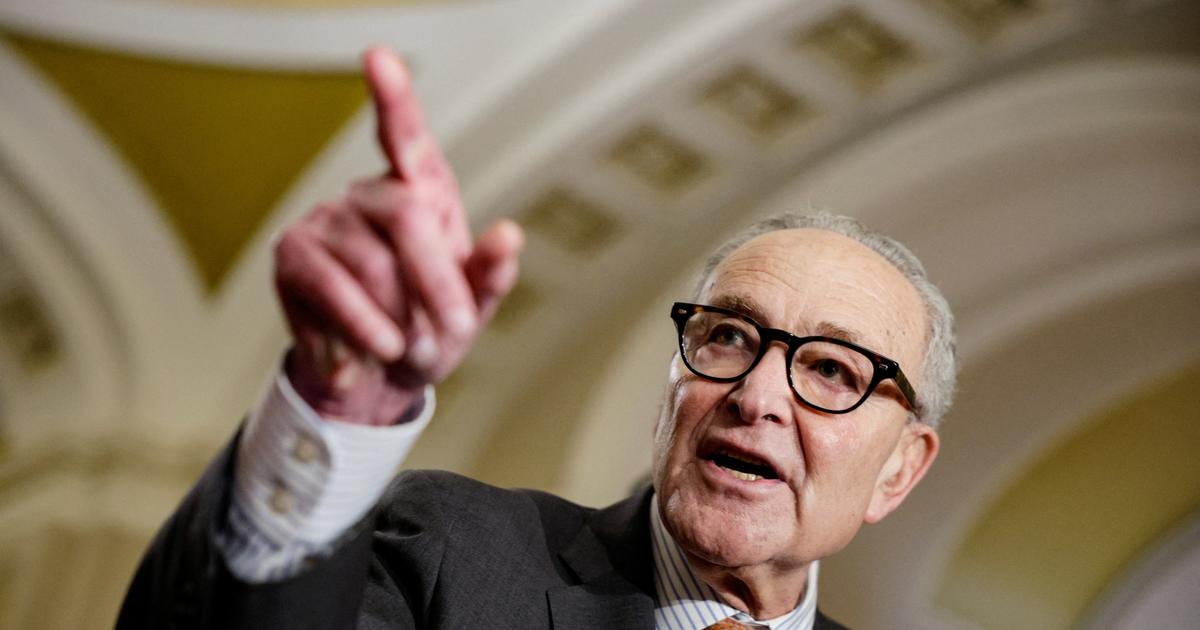
Midterm elections could determine how much of Trump’s agenda survives

President Donald Trump is facing what could be the most important verdict of his political life. On Nov 3, voters in the US will elect a new House of Representatives and a third of the Senate (35 out of 100 seats). At present, both chambers are controlled by Trump’s Republican Party; but come next Tuesday, the president could be facing a whole new reality.
Trump came into the second term of his presidency with Republican control of both houses of Congress, as well as a conservative majority among the Supreme Court judges. The second half of his second term is now in danger of being held hostage to a hostile Congress.
During the 2024 election campaign, Trump promised to reduce inflation, in particular the price of gasoline. In car-dependent America, prices at the pumps can often determine the mood of the nation. In 2026, that mood has soured beyond doubt.
The imposition of higher tariffs on imported goods and the global energy crisis triggered by the US-Israeli war on Iran have kept prices at US gas stations much higher than the average voter would like. The average price of regular gasoline in the US is nearly a dollar higher per gallon than it was two years ago. But there is more.
According to a report in Fortune magazine published on Oct 27, the average US consumer has paid nearly $500 more for fuel. The magazine quoted Mark Zandi, chief economist at Moody’s Analytics, as saying that the Iran war “has cost US households about 2,000 dollars”, which includes fuel as well as price increases for other goods.
President Trump has tried to counter concerns about gas prices by suggesting the US was “making a fortune” due to increased energy production. Although he termed the costs of the Iran war “very inexpensive”, it does not look like voters are buying into that.
With days to go before polling day, the Republicans look almost certain to lose control of the House. Even right-wing Fox News is predicting a Democratic majority there. At present, Republicans have a razor-thin majority, but Trump’s current unpopularity means Democrats could storm to a commanding lead.
The president’s approval rating among voters currently stands at 37 percent, which is way below what Trump had at this stage in his first term. But Trump seems to have turned these midterm polls into a virtual referendum on his presidency by calling on his supporters to pretend that he is on the ballot.
Republican hopes now hang on Trump’s continued appeal -- or the lack of it -- with the electorate. This is making Democrats hopeful that they might seize control of both the House and the Senate.
Losing control of the House would mean many of Trump’s legislative proposals and policies requiring congressional approval would face a roadblock. This would mean the Democrats taking control of the budget. There are dozens of ways a Democrat-controlled House could hamper Trump’s political and economic agenda.
Then there is the small matter of impeachment. Trump was impeached by a Democrat-majority House during his first term in the White House. There is little doubt they would like to do it again. However, impeachment in the House is only the first step.
It is in the Senate where the impeached president is put on trial, with the Chief Justice of the Supreme Court presiding over it. The 100 senators sit as a jury, and at least 60 of them must convict the president for him to be removed from office.
While control of the Senate is also up for grabs, the battle here is likely to be much tougher. Republicans currently have a 53-48 majority (that extra vote belongs to the vice-president, who chairs the Senate and gets to cast the tie-breaker in case of a deadlock).
Most calculations suggest Republicans are likely to lose a number of seats, creating the possibility of a slim Democratic majority. But the chances of gaining enough seats to ensure 60 votes to convict the president in an impeachment trial are pretty slim.
So, how did Trump’s political fortunes dwindle so fast after the stunning comeback he staged in the 2024 presidential election? After his defeat to Joe Biden in 2020 and later his conviction in a criminal case involving payments to a porn actress to buy her silence, Donald Trump’s prospects looked dead in the water.
But he did not only fight back in the courts; he took the battle to the conservative heartlands of America and won back the trust of his hardcore support base. Thanks to the dithering of his initial presumed opponent, Biden, he came across as the man fit for the job.
Later, when the Democrats ditched Biden and opted for his vice-president, Kamala Harris, it was simply too late. Harris had little hope of making up for lost time and establishing herself as a credible challenger.
There was some speculation then about whether Trump 2.0 would be a Trump chastened and humbled by his experience, or a Trump emboldened by his comeback and determined to push through his agenda, whatever the cost. The world did not have to wait long to find out.
Trump delivered on his election promise to tackle the border issue by cracking down on illegal migration. The southern border with Mexico became the one place where Trump’s promises and actions appeared to align perfectly. The arrival of undocumented migrants at the border fell dramatically.
But his signature trade policy created more problems than it solved and hit his popularity hard. His goal was to compel other countries to buy more from America by threatening higher tariffs on their exports to the US. But things did not quite work out the way he wished.
His tariffs raised the cost of goods for American consumers; then the Supreme Court declared his tariffs illegal. By then, the damage was done.
Trump’s Venezuela operation was seen by many around the world as a blatant display of imperial power, and the illegal abduction of an incumbent president of a sovereign country. But the lightning military raid on Caracas, the extraction of President Nicolas Maduro and his wife with zero US casualties, was exactly the kind of intervention Trump liked.
The fact that Maduro’s successor surrendered her nation’s oil wealth to the US without so much as a protest also allowed Trump to showcase it as an ideal example of foreign intervention. He did not force regime change in Caracas, but gained control of the country’s resources and the ability to dictate policy without putting US troops on the ground.
The honeymoon over Venezuela was short-lived, however, and Trump soon walked into another foreign adventure which even his own support base found difficult to swallow. The Iran war was possibly the first such war that was unpopular with the majority of the US public at the beginning and remained so eight months later.
The war he launched on Iran on Feb 28, in tandem with Israel, was seen by many in the US as unnecessary and even illegal. Many of Trump’s own supporters openly questioned whether it was “America First” or “Israel First”.
The first fractures in the Trump camp appeared within days of what Trump had hoped would be a quick war, following a surgical decapitation strike against Iran’s leadership. But Iran not only refused to buckle, but also changed the strategic map of the region by taking control of the Strait of Hormuz, forcing up global energy prices.
Trump probably expected Iran’s surviving second- or third-tier leaders to behave in the same way as Delcy Rodriguez, Maduro’s successor in Venezuela, had done. That was a massive miscalculation for which Trump is likely to pay a stiff political price.
A Democratic victory in the polls, especially if they take control of both houses of Congress, would turn Trump into a lame-duck president. Beyond that, a vengeful Congress could try to undo all the things Trump holds dear, severely damaging his legacy.
Trump raises prospect of fresh US strikes on Iran Nobody knows who is running Iran: Trump Trump denies offering Iran sanctions relief Read More North Korea blamed for $6.3bn Binance heist Japan pushes to clear Myanmar from blacklist 6 die in lightning strike in Pabna wetlands UK regulator investigates Meta’s terms for publishers and advertisers Read More Opinion Sabir Mustafa Trump’s political legacy hangs in the balance