
Monday Markets: SA rand tanking, but oil prices softer and stocks rally on 'Goldilocks' data - IOL
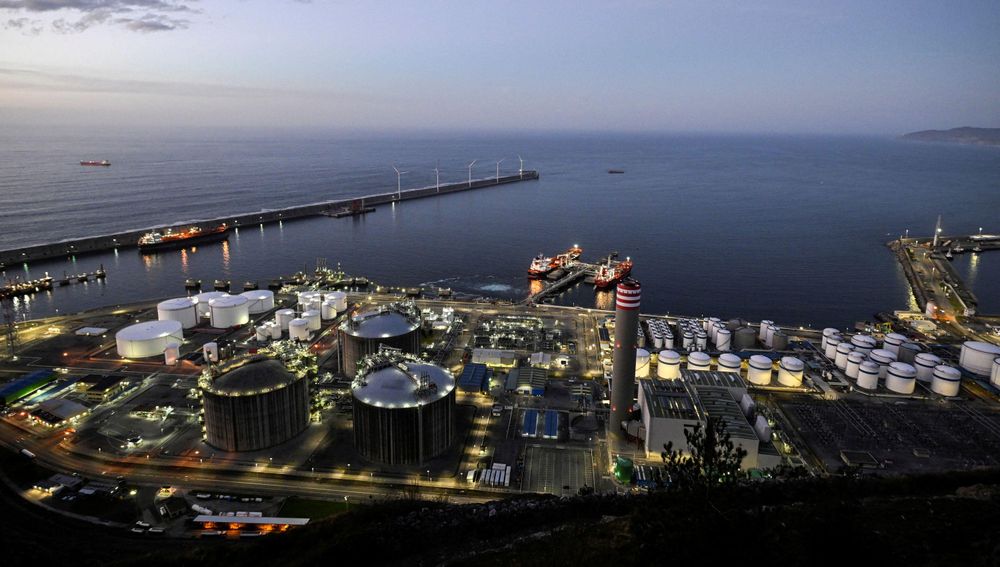
Brent crude remains above $100 a barrel after easing off from recent four-month highs.
Equities rallied on Monday after a big miss on US job creation gave the Federal Reserve breathing room to hold off an interest rate hike this month, while traders were also cheered by another drop in oil prices that eased inflation concerns.
However, the South African rand has come under renewed pressure over the past two weeks, falling from below R16/$ to around R16.70 to the US dollar late last week, its weakest level since July. On Monday morning, the local currency was trading at R16.71 to the US dollar, R18.67 to the euro and R22.06 to the British pound.
Reuters reported that the currency was heading for its fourth consecutive weekly decline, with a stronger US dollar and rising global bond yields encouraging investors to pull back from emerging-market assets.
Investec chief economist Annabel Bishop said the Middle East conflict, higher oil prices and safe-haven flows into the dollar were also weighing on the rand. She noted that the rand has weakened much less against the euro and pound, suggesting the latest move is partly about dollar strength rather than a sharp deterioration in South Africa's fundamentals.
Investors in Asia followed the positive lead from their colleagues on Wall Street on Monday, where all three main indexes spiked in reaction to the highly anticipated non-farm payrolls data.
The report showed the world's top economy created just 29,000 jobs in September – well short of forecasts for around 90,000 – while the readings for the previous two months were also revised down, with July's showing posts were actually lost.
Markets immediately repriced the likelihood of a Fed rate hike, with CME's FedWatch tool seeing just over a 20 percent chance, compared with more than 65 percent early last week.
Expectations that interest rates would be lifted at least once more this year – after September's hike – have sent government borrowing costs soaring, with 10-year US Treasury yields last week hitting a 24-year high.
The spike has been driven by stubbornly high inflation, government spending and an increase in companies borrowing to pay for their AI investments.
"The recent hiring trend has settled into that not-too-hot, not-too-cold Goldilocks porridge zone of roughly 40,000 to 60,000 jobs a month," wrote Stephen Innes at SPI Asset Management.
"Core PCE (personal consumption expenditure) is still uncomfortable at three percent year over year, but the shorter-term pulse has cooled noticeably," he added, referring to the Fed's preferred gauge of inflation.
"Put the two together, and October starts looking less like a meeting the Fed needs to attack and more like one it can comfortably sit through, spoon still in hand, while December remains the bowl with a little more heat in it."
With the prospect of borrowing costs being kept on hold for now, tech-rich markets were the big beneficiaries as such firms rely on debt to drive their vast investments.
Tokyo jumped more than two percent to briefly top 70,000 points for the first time since July, while Taipei climbed a similar amount.
Hong Kong, Sydney, Singapore, Wellington, Bangkok, Mumbai, Manila and Jakarta also advanced.
London edged up but Frankfurt and Paris edged down.
Seoul and Shanghai were closed for holidays.
The mood was also helped by G7 leaders' decision to release 100 million barrels of diesel and crude oil from their reserves over four months and to "refrain from export restrictions on energy".
The move followed pressure from President Donald Trump to tap the European Union's strategic diesel reserves or face a US ban on diesel exports.
Also, Saudi Arabia slashed the price of its benchmark grade to Asia to $5 below the regional benchmark.
But while exports of crude from the Middle East, excluding Iran, surpassed their pre-war levels last week – according to maritime tracking firm Kpler – the situation for fuels such as diesel remains tight, owing to refineries being damaged during the conflict.
Russian refineries have also suffered damage due to Ukrainian strikes.
Both main contracts fell on Monday, extending Friday's drop, though the losses were pared by news that Yemen had started a new military operation to retake all territory held by the Houthis.
The announcement sets an ambitious goal for the embattled government, which recently lost swathes of the country's Red Sea coastline and areas around the Bab al-Mandab Strait -- a chokepoint for international shipping -- after a lightning offensive by the Iran-backed Houthis.
