
Morotai War, The Small Island That Became the Allies’ Gateway to the Philippines
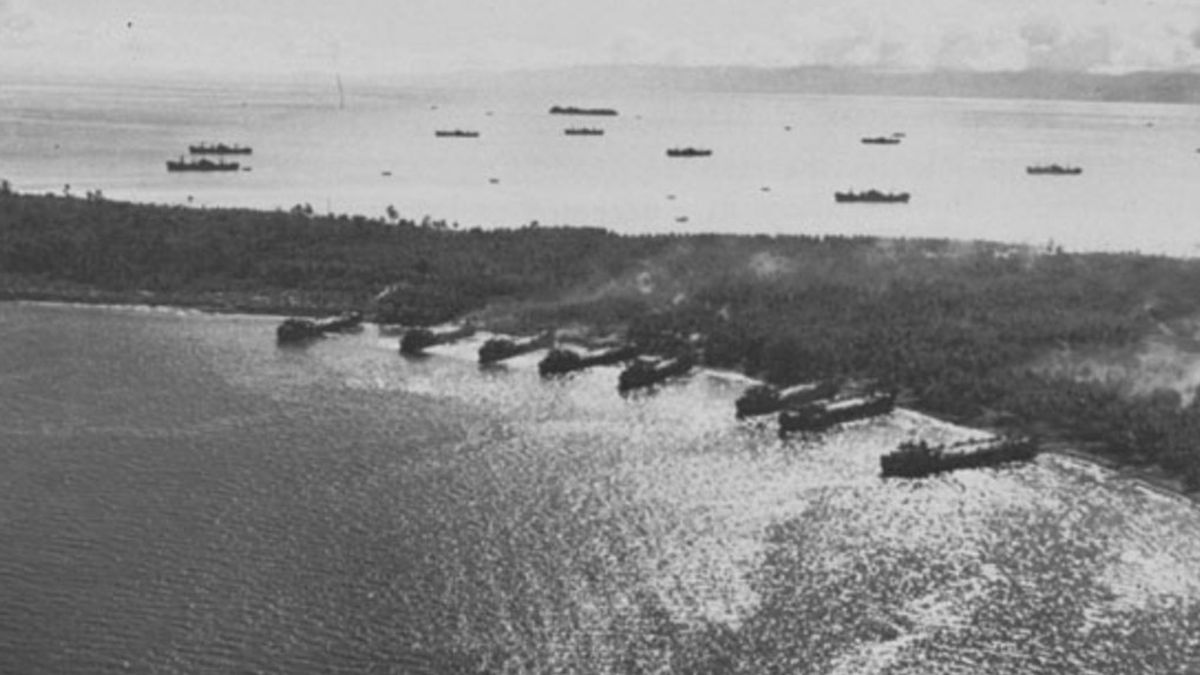
Kompas.com - On the morning of September 15, 1944, the skies over Morotai in North Maluku were filled with fighter planes and warships. The island, previously under Japanese occupation, suddenly became one of the Allies’ key bases in the southwestern Pacific region.
About 57,000 Allied troops landed on Morotai as part of a crucial operation in General Douglas MacArthur’s plan to retake the Philippines.
For the Allies, Morotai was a strategic stepping stone toward the Philippines. But for the local community, the war that reached their island was more than just a military strategy.
The presence of thousands of foreign soldiers altered the daily lives of residents who had long depended on the sea, farms, and coastal villages.
The Allies initially selected Red Beach and White Beach on Morotai’s southwest coast as the landing sites. However, once the landing began, unforeseen problems arose.
The beaches considered safe turned out to have deep mud, making it difficult for trucks, jeeps, and heavy vehicles to move; many got stuck along the shore. This hindered the landing of troops and supplies.
Fortunately for the Allies, Japanese resistance in the area was relatively light. This allowed them to revise their strategy and shift the main landing to Blue Beach in southern Morotai, deemed more suitable for large-scale military operations.
This change in landing site showed that even major operations must adapt to local geographic conditions. On Morotai, the muddy beaches became an early obstacle that could not be ignored.
In several local accounts, two days after the initial landing, Allied attention turned to Wajaboela on the island’s west side.
Before launching an attack, Allied planes reportedly dropped leaflets warning residents to evacuate the area immediately.
The leaflets reportedly stated that Wajaboela would be bombed. This news caused panic among the population, with many rushing to seek shelter at Moro Field and the Mount Lolaro area.
In residents’ memories, some Japanese soldiers in the area also retreated into the interior, seeking refuge in forests and hills while avoiding increasingly intense air raids.
For the locals, this event showed that war was not just a matter of military strategy on a map. It arrived as sudden news that forced people to abandon their homes, gardens, and livelihoods.
The hardest period for Morotai residents was between September 1944 and early 1945. Although the Allies controlled much of the island, Japanese air raids from Halmahera and surrounding areas continued, especially at night.
One frequently remembered incident took place in Sabatai Baru, where Japanese air attacks struck near residential areas and locations occupied by Dutch/NIPA personnel and Indonesian workers.

