
Mpox in South Africa: What you need to know about symptoms, spread, and treatment - IOL
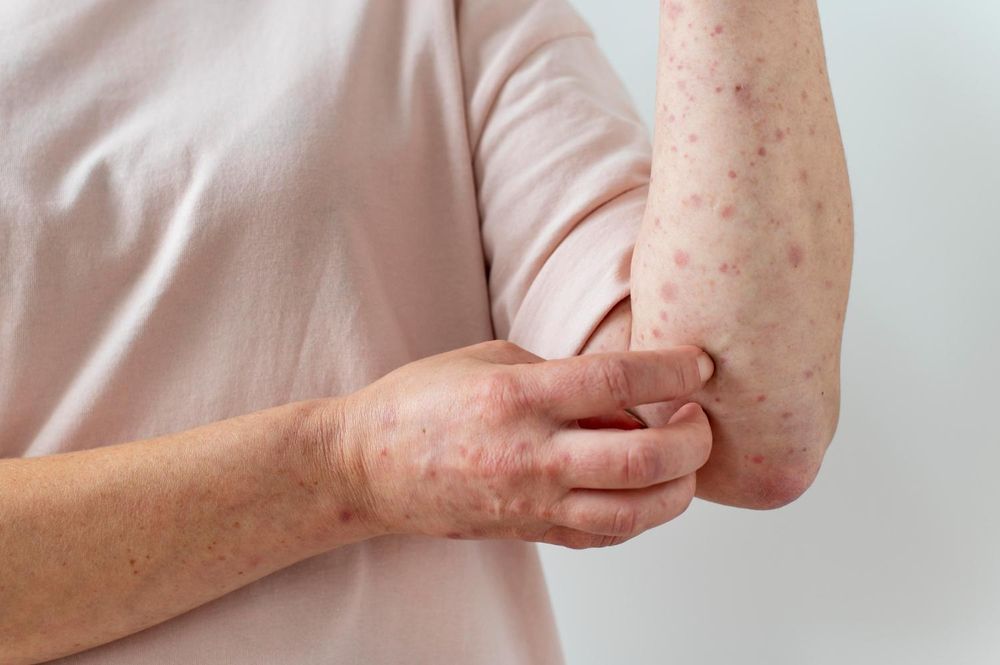
Mpox, previously known as monkeypox, is a viral disease caused by the mpox virus.
Mpox cases are rising in South Africa, with health authorities now reporting 22 laboratory-confirmed infections across three provinces.
The latest increase has understandably raised questions about how the virus spreads, what symptoms to look for and what to do if you think you have been exposed.
Here is what you need to know about mpox in South Africa, including the latest local situation, symptoms, treatment and ways to reduce your risk.
South Africa has recorded 22 laboratory-confirmed mpox cases, according to the Department of Health's latest update.
The Western Cape accounts for 18 cases, with three in Gauteng and one in KwaZulu-Natal. All but one of the 22 patients are male, with those affected ranging in age from 23 to 50.
The latest cases include a 47-year-old Cape Town man who recently travelled to Spain.
He had initially been classified as a probable case while South African authorities awaited laboratory results from Spanish health authorities.
The other three newly confirmed cases include two imported infections involving a German and a Norwegian citizen.
Health authorities and the National Institute for Communicable Diseases (NICD) are continuing contact tracing and enhanced surveillance, particularly in the Western Cape.
Preliminary analysis of the recent Western Cape clusters indicates that Clade Ib mpox virus is involved.
Mpox, previously known as monkeypox, is a viral disease caused by the mpox virus, which belongs to the Orthopoxvirus family.
It commonly causes a rash or skin lesions, along with symptoms such as fever, headache, muscle aches, back pain, tiredness and swollen lymph nodes.
Most people recover from mpox, but some can develop more serious illness.
There are different groups, or clades, of the virus. Clade Ib has been involved in recent outbreaks in parts of Africa and has also been detected in other countries.
Mpox is mainly spread through close physical contact with an infected person.
People can also contract mpox through contact with infected animals in areas where the virus circulates in animal populations.
Mpox is not spread as easily through casual contact as common respiratory infections such as colds and flu. Close contact remains the main route of transmission.
Symptoms usually appear within 5 to 21 days after exposure, according to the Department of Health.
The rash can appear on the face, hands, feet, genitals or other parts of the body.
The lesions typically begin as flat red spots before becoming raised bumps, fluid-filled blisters and then pus-filled lesions. They eventually crust over and heal.
Not everyone will experience exactly the same symptoms, so an unexplained rash should be assessed by a healthcare professional, particularly if there has been recent close contact with a confirmed or suspected case.
While many people recover without serious complications, some groups have a higher risk of severe mpox.
Mpox can resemble other illnesses, so a rash cannot always be diagnosed by appearance alone.
If mpox is suspected, a healthcare professional can arrange laboratory testing, usually using a sample from a skin lesion.
Anyone who develops symptoms after close contact with a confirmed or suspected case should seek medical attention and avoid close contact with others while being assessed.
There is no routine cure for mild mpox. Treatment generally focuses on managing symptoms while the body fights the infection.
This can include treatment for pain and fever, keeping the skin clean and preventing secondary infections.
South Africa's current outbreak response includes a limited supply of Tecovirimat, an antiviral treatment, which health authorities can use as part of their response.
Its use is determined by healthcare authorities and is not a routine treatment for everyone with mpox.
People who become seriously ill or who have a higher risk of complications may require hospital care.
If you develop an unexplained rash, fever or other symptoms associated with mpox, particularly after close contact with someone who has the virus, contact a healthcare professional.
Early detection and avoiding further close contact can help limit transmission.
Reducing close contact with someone who has mpox is one of the most important ways to lower your risk.
Good hand hygiene and avoiding contact with an infected person's lesions or contaminated personal items can also help prevent spread.
South Africa has also secured limited supplies of MVA-BN mpox vaccine as part of its outbreak response.
Health authorities will determine where and how available doses are used, with vaccination forming part of a broader response that also includes surveillance and other prevention measures.
If you have been in close contact with someone diagnosed with mpox and subsequently develop symptoms, seek medical attention promptly.
Health authorities have also stressed the importance of avoiding stigma around mpox.
The virus can affect anyone, and people who suspect they may have been exposed should feel able to seek medical care.


