Mulching: More than just covering the ground - The Straits Times
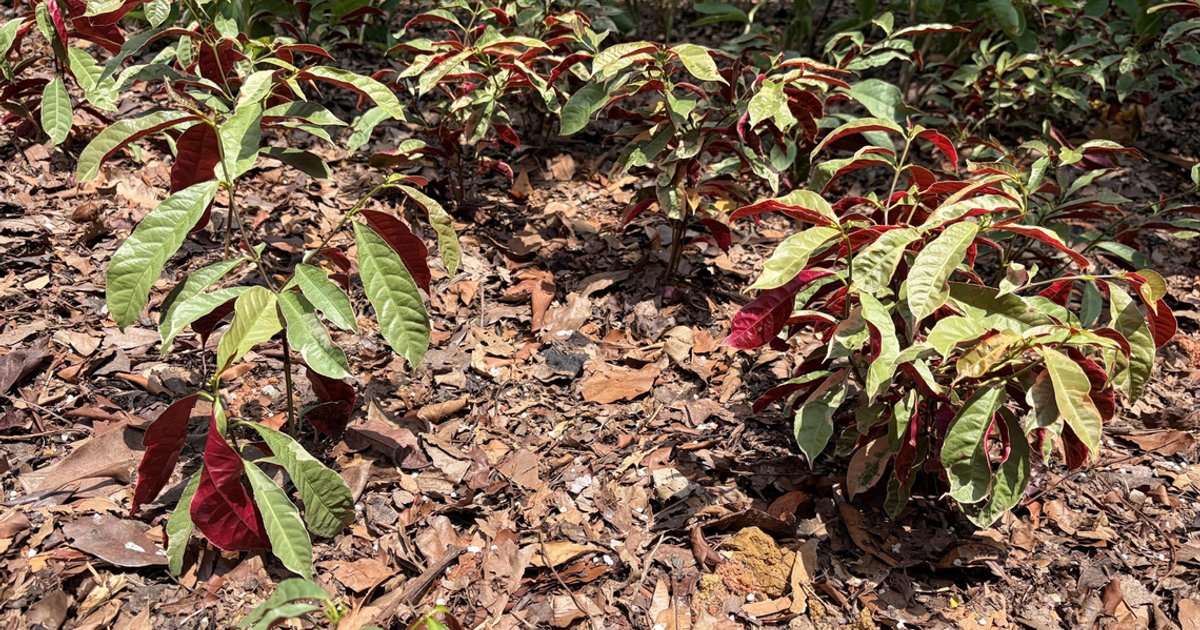
Small dried leaves hug closely and can help to insulate plants from extreme heat and reduce the rate of water loss from the soil.
SINGAPORE – Most of us would have spotted fresh mulch spread around trees and bushes in the neighbourhood or in parks, but it serves more than just a decorative purpose.
Mulching, in which a layer of organic material is spread over the soil surface where plants are grown, mirrors what occurs on the forest floor when leaves, twigs and other debris fall and blanket the ground.
This layer fosters an underground ecosystem where biodiversity drives the processes of nutrient cycling and soil building. Nutrient cycling takes place with the generation of humus, which is a dark, stable, organic matter that gives fertile soil its stable structure.
Besides giving garden landscaping a neat and pleasing appearance, mulching serves as a highly effective tool to conserve water, suppress weeds and optimise plant growth and development.
Mulch forms a physical and insulation barrier that keeps roots cooler, and reduces evaporation and water loss from the soil surface and root zone. This helps to reduce the frequency and volume of irrigation during hot and dry weather. Mulch made from finer material packs more closely and will retain moisture better.
A layer of mulch hinders sunlight from hitting the ground and this can prevent weed seeds that are present on the soil surface from receiving the stimuli needed to germinate.
However, mulch may not be able to prevent certain weeds from growing. In particular, common weeds such as lalang (Imperata cylindrica) and various species of nutgrass and sedges (Cyperus and its relatives) can pierce the mulch layer and spread unsuppressed. Such weeds need to be removed before mulch is applied.
Heavy rain can also wash away precious topsoil and splash soil-borne pathogens onto plant leaves. A layer of mulch absorbs the impact of raindrops, preventing soil from becoming compacted and keeping plant foliage clean and disease-free.
A well-established organic mulch layer stimulates the growth of beneficial mycorrhizal fungi. These fungi form symbiotic relationships with plant roots, acting as an extension of the plant’s own root system.
The decomposing mulch provides a steady energy source that these fungi need to build vast underground networks. In exchange, the fungi channel water and hard-to-reach nutrients directly to plants and make them more resilient to soil-borne diseases.
Make your own compost at home, as mature compost serves as an excellent mulching material, especially for edible gardens.
To reap the benefits of mulching, organic materials are preferred to inorganic ones.
Use mature compost or finely chipped dry leaves (ensuring they are not infected by disease). These materials feature a low carbon-to-nitrogen ratio, meaning there is minimal likelihood of nitrogen drawdown, which is a temporary shortage of plant-available nitrogen in the soil.
Because the microbes in mature compost have already finished using up their carbon source, they do not need to scavenge nitrogen from the surrounding soil to drive decomposition. This is vital when growing fast-growing plants, such as leafy vegetables, which have a high demand for nitrogen.
Avoid partially composted wood-based compost, as it can introduce multiple garden issues. It attracts decomposers such as millipedes and fungi, which can become a nuisance. Heat generated and substances released during the decomposition process of immature compost can damage delicate plants such as seedlings.
Plastic films and landscape fabrics are used in commercial agricultural settings to block weed growth. However, these do not enrich the soil. Under intense sunlight exposure, plastic materials eventually degrade, leading to long-term disposal issues and microplastic pollution.
Gravel mulch serves a purely decorative purpose and does not provide the soil-building, biological and nutrient benefits associated with organic mulching materials.
Some gardens feature mulch that consists of gravel or rocks, which serves a decorative purpose and does not provide soil-building, biological or nutrient benefits associated with organic mulching materials.
Xeric habitat landscapes that feature cacti and succulents also have rock and gravel surfaces. The usage of organic mulch in this case will not be suitable as the moisture retained will cause these plants to rot and die.
Prepare the area: Remove existing weeds, including their underground stems (rhizomes). Clear large debris before laying down the mulch material.
Apply the right thickness: For optimal results, aim for a thickness of 5cm to 8cm for shrubs and trees. Garden beds with seedlings will require just a thin layer of fine mulch of around 1cm.
Leave breathing room: Avoid piling mulch directly against tree trunks or the stems of plants, which leads to what is commonly termed as “volcano mulching”. Maintain a gap of 3cm to 5cm around the base of the plant so you do not trap moisture against the stem or bark, which can lead to pests and disease issues like rot.
Coarse mulching materials like pine bark are heavier and do not get washed away during heavy rainfall.
Time it correctly: While it is common practice to mulch immediately after planting is completed, do so during fair weather as torrential rain can cause mulch to be washed away, leading to a mess in the garden. Using heavier and coarser mulch materials may overcome this issue, but their larger particle size and material type mean they will take longer to break down, too.
Replenish mulch: Because organic mulch is a living component, it will break down over time. As it degrades into nutrient-rich humus, the overall thickness of the mulch layer will gradually decrease. Replenish the mulch layer every few months. The exact frequency depends on the material type and particle size.
Plant Parenting is a series about houseplant care and other gardening essentials. Have a gardening topic you are interested in? Write in to stlife@sph.com.sg. We reserve the right to edit and reject questions.
Wilson Wong is a National Parks Board-certified practising horticulturist and park manager, and also the founder of Green Culture Singapore, a group for gardening in the tropics.
To learn more about flora and fauna in Singapore, go to nparks.gov.sg/florafaunaweb