Need to create fear in minds, Supreme Court tells cops amid Delhi rape cases
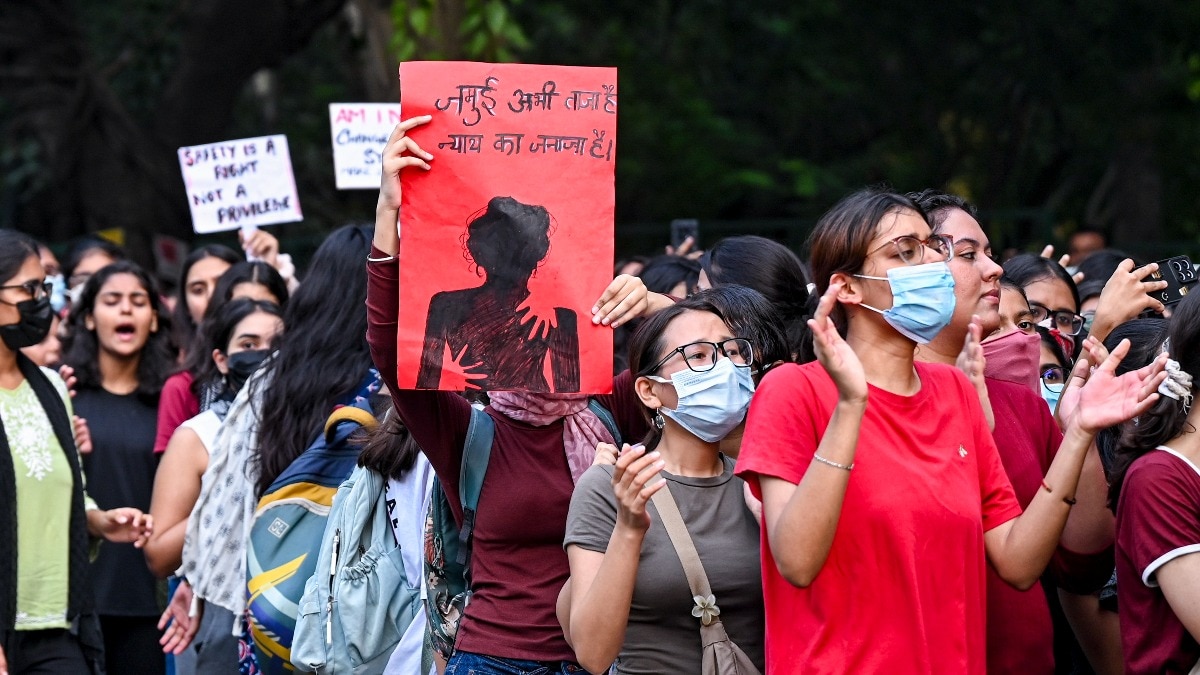
The Supreme Court on Monday called for a tougher and more robust policing strategy in Delhi to deter “anti-social elements” from committing sexual crimes against women and children, stressing that effective policing must create a sense of fear among potential offenders.
The court's observations came days after it took note of a recent spate of sexual assault incidents reported from different parts of the wider National Capital Region (NCR). During the hearing, the bench told the Delhi Police that deterrence was essential and that policing on the ground needed to be strengthened.
"You need to create fear in the minds of anti-social elements," the bench told Delhi Police.
Justice Pardiwala said offenders should be made to believe that they would face serious consequences if they attempted to commit crimes. "They (anti-social elements) should think 'ab kuch kiya toh marr jaenge' ('if we do something now, we'll get killed')," he said.
The bench also made it clear that the police should not hesitate from taking stringent action when the situation warrants it.
"Do not hesitate to be a little more harsh and strict – there may be people who raise hue and cry about Article 21 – but you take action as required," the bench said.
The Supreme Court stressed that beat patrolling is central to ensuring public safety, and directed the Delhi Police to ensure that personnel remain mobile and actively patrol their assigned areas instead of merely maintaining a visible presence at fixed points.
Questioning the practice of police vans remaining parked at one location for prolonged periods, the bench asked why they were not being moved around as part of regular beat patrolling.
The bench also sought details from the police on measures taken to illuminate dark and poorly lit stretches, underlining the need to identify and address vulnerable spots that could pose safety risks, particularly to women and children.
The court further asked the police to engage directly with local residents and listen to their complaints, including concerns over inadequate street lighting and the presence of hooligans in their neighbourhoods.
It also flagged illegal eateries and liquor stores as places where hooligans could congregate and asked the police to address such concerns as part of a broader preventive policing strategy.- Ends