New prostate cancer screening guidelines include regular PSA testing for most older men
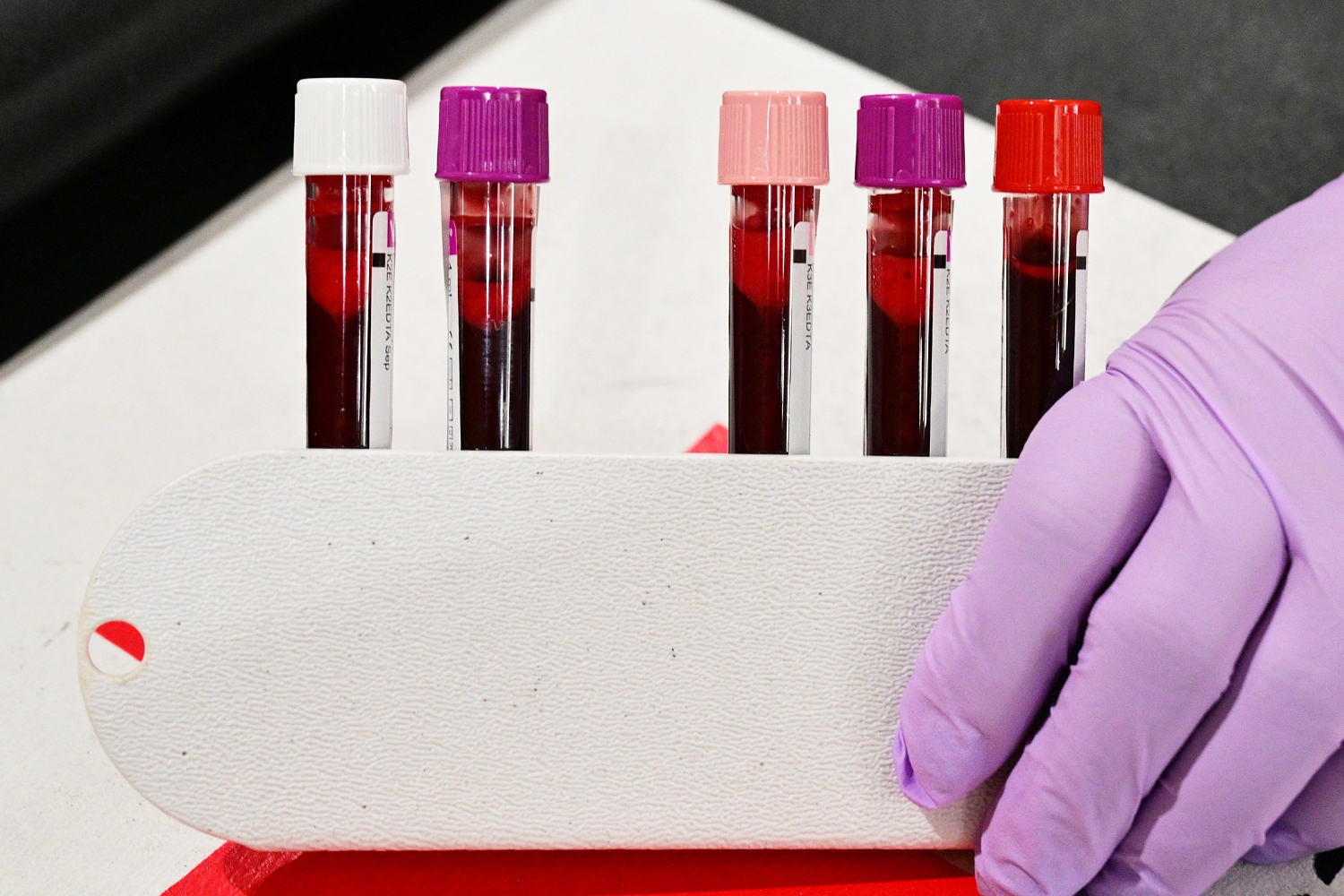
The new guidelines were influenced by a major study that found that PSA blood testing among middle-aged men did, indeed, lower prostate cancer deaths.Frederic J. Brown / AFP via Getty ShareAdd NBC News to GoogleNov. 12, 2026, 7:00 AM ESTBy Benjamin RyanAs rates of advanced prostate cancer continue a worrisome rise, the American Cancer Society is recommending that most men ages 50 to 69 get screened every other year. Those at higher risk, including Black men and others with close-family histories of the disease, should get the prostate-specific antigen blood test annually.
Men ages 70 to 74 should discuss with healthcare providers whether the PSA test makes sense for them, based on their health and life expectancy, according to the ACS.
The new guidelines, published Thursday in CA: A Cancer Journal for Clinicians, are the latest pendulum swing in screening standards for prostate cancer, which is the second-leading cause of cancer death among men, behind lung cancer.
Dr. William L. Dahut, chief scientific officer of the ACS, said he hoped the new guidelines “would increase screening for men at average risk and ultimately lead to a decrease of men with metastatic disease or dying from the disease, while mitigating harm.”
In the previous ACS guidelines, men ages 40 to 50 were advised to engage with their doctors in “shared decision-making” about PSA testing, as long as they had at least a decade of life expectancy. Repeat testing was based on a PSA-level threshold.
Now, the ACS much more emphatically recommends that men should get the PSA test every other year after they hit age 50.
The PSA blood test can help detect signs of prostate cancer earlier, when it’s generally more susceptible to treatment. There have long been concerns about PSA testing, because it can trigger unnecessary treatment with devastating side effects, and historically, research that it actually improved men’s survival chances was lacking.
The new guidelines were influenced in particular by a major randomized study of PSA testing in Europe that now has over two decades of follow-up and found that screening among middle-aged men did, indeed, lower prostate cancer deaths. Given those and other encouraging newer research findings, the authors of the updated ACS guidelines felt they could recommend the test as beneficial with greater confidence and be more specific about which groups should get tested and at what intervals.
While the rate of death from prostate cancer fell by half over the past three decades, the decline has slowed overall and stabilized among men ages 55 to 69.
The Food and Drug Administration approved the PSA test for cancer surveillance in 1986. Following broad use of the test for prostate cancer screening, late-stage prostate cancer diagnoses dropped by more than half and the death rate fell by 7% by the mid-1990s.
But in the 2000s, various national health authorities became more concerned about overdiagnosis. So they narrowed the categories of men for whom they recommended screening. In 2012, the highly influential U.S. Preventive Services Task Force flatly recommended against PSA testing for men of any age.
Diagnoses of late-stage disease subsequently began to creep up, leading to concern that lowered testing was a factor and, ultimately, to campaigns to once again broaden testing.
An ACS study last year found that diagnoses of prostate cancer increased by about 3% annually from 2014 to 2021. Dahut, who was a co-author of the study, said the trend has continued in recent years. The study also found that over a decade of data, cases of metastatic prostate cancer increased by about 6% annually in men ages 55 and older.
At its best, PSA testing can identify early-stage prostate cancer and lead to treatment — surgery and radiation is the standard of care — that stops it from spreading, improving men’s survival.
Among men diagnosed with late-stage prostate cancer, only about a third live five more years.
However, the PSA test often identifies cancers that won’t cause major sickness or death, at least not in the near term.
In those cases, men would often be better off receiving ongoing monitoring rather than treatment. Many older men die with prostate cancer but not because of it.
FOR SUBSCRIBERSRepublicans tiptoe around Trump as they process defeat in the 2026 electionsFOR SUBSCRIBERSHow Alice Huang came to be Nvidia chief Jensen Huang’s alleged lover and a suspected Chinese spyFOR SUBSCRIBERSOSU abuse survivors blast Jim Jordan’s election as House minority leaderFOR SUBSCRIBERSThe House districts that remain uncalled after the 2026 midtermsFOR SUBSCRIBERSHow measles surged in the U.S.FOR SUBSCRIBERSHow a concerned mother says she helped rescue a missing Utah teen held captive in Oregon FOR SUBSCRIBERSLatino groups’ first demand of the new Congress: Subpoena Stephen MillerFOR SUBSCRIBERSHow American Legion halls are adapting to survive a shrinking veteran populationFOR SUBSCRIBERSCubans say their houses are collapsing on top of them but they have nowhere to goFOR SUBSCRIBERSDeadly floods sweep Gaza’s tents, intensifying pressure on IsraelFOR SUBSCRIBERSThe price of baby formula just set a dubious recordFOR SUBSCRIBERSDemocrats skeptical Trump wants to work with them after elevating Stephen MillerFOR SUBSCRIBERSPentagon threatens to ‘physically’ remove reporters if they ‘get out of line’FOR SUBSCRIBERSWhy Jensen Huang just might survive this scandalFOR SUBSCRIBERSAmerica defeated measles in 2000. Vaccine opposition brought it roaring back. Slide 1 of 1That’s a key reason the ACS and other health authorities don’t recommend the test for older men or others who most likely won’t live 10 more years.
FOR SUBSCRIBERSRepublicans tiptoe around Trump as they process defeat in the 2026 electionsFOR SUBSCRIBERSHow Alice Huang came to be Nvidia chief Jensen Huang’s alleged lover and a suspected Chinese spyFOR SUBSCRIBERSOSU abuse survivors blast Jim Jordan’s election as House minority leaderFOR SUBSCRIBERSThe House districts that remain uncalled after the 2026 midtermsFOR SUBSCRIBERSHow measles surged in the U.S.FOR SUBSCRIBERSHow a concerned mother says she helped rescue a missing Utah teen held captive in Oregon FOR SUBSCRIBERSLatino groups’ first demand of the new Congress: Subpoena Stephen MillerFOR SUBSCRIBERSHow American Legion halls are adapting to survive a shrinking veteran populationFOR SUBSCRIBERSCubans say their houses are collapsing on top of them but they have nowhere to goFOR SUBSCRIBERSDeadly floods sweep Gaza’s tents, intensifying pressure on IsraelFOR SUBSCRIBERSThe price of baby formula just set a dubious recordFOR SUBSCRIBERSDemocrats skeptical Trump wants to work with them after elevating Stephen MillerFOR SUBSCRIBERSPentagon threatens to ‘physically’ remove reporters if they ‘get out of line’FOR SUBSCRIBERSWhy Jensen Huang just might survive this scandalFOR SUBSCRIBERSAmerica defeated measles in 2000. Vaccine opposition brought it roaring back. Slide 1 of 1PSA testing can also produce false positives that lead to unnecessary treatment and anxiety. And the biopsy needed to diagnose prostate cancer comes with health risks.
Crucially, surgery and treatment for prostate cancer can cause severe impacts, including sexual dysfunction, urinary incontinence and bowel problems.
According to Dahut, recent improvements in medical practices have helped mitigate those effects.
The previous ACS guidelines, issued in 2010, advised doctors to discuss with middle-aged men and younger seniors whether they’d like to take the PSA test. That more flexible dynamic left too many men forgoing the screening, ACS experts felt. The new guidelines urge doctors to more flatly recommend the test to that age group.
Promisingly, doctors are better able to differentiate between prostate cancer cases that are serious enough to need immediate treatment and those that are better monitored over time.
“Cancer still prompts a visceral, negative reaction in most people that for the most part is unwarranted in a lot of circumstances,” said Dr. Daniel George, a medical oncologist at Duke Health who specializes in urological cancers. George wasn’t involved with the new guidelines.
“There are more cancer survivors in the United States than ever before in history,” he said. “That’s only going to increase. And that’s not because of overdiagnosis; that’s because of more effective therapies for these patients.”
The change in guidelines could, in theory, have caught former President Joe Biden’s cancer earlier. Biden, 83, announced last year that he had aggressive metastatic prostate cancer that had spread to his bones. Biden had followed federal guidelines advising against PSA testing after age 70.
Dahut said the revised ACS guidelines indicate the likelihood that many 70-something men can expect to live more than a decade longer, so prostate cancer treatment may help extend their lives.
Biden said on social media this week that his “doctors continue to be encouraged by how I’ve responded to treatment” and that cancer “hasn’t stopped me.” But he said that “sometimes it slows me down.” Accordingly, he said, he’ll be limiting his efforts to promote his upcoming memoir, which will be published Tuesday.
In the book, Biden responds defiantly to accusations that he slow-walked cancer screening or hid his diagnosis, calling the suggestions “absurd.”
“There isn’t anyone in this world with stage 4 cancer who doesn’t wish it had been caught sooner,” Biden writes.
Benjamin RyanBenjamin Ryan is independent journalist specializing in science and LGBTQ coverage. He contributes to NBC News, The New York Times, The Guardian and Thomson Reuters Foundation and has also written for The Washington Post, The Nation, The Atlantic and New York.
Related Coverage in Health