Nick Reiner Will Face His Father’s Idea of Justice - Newsweek
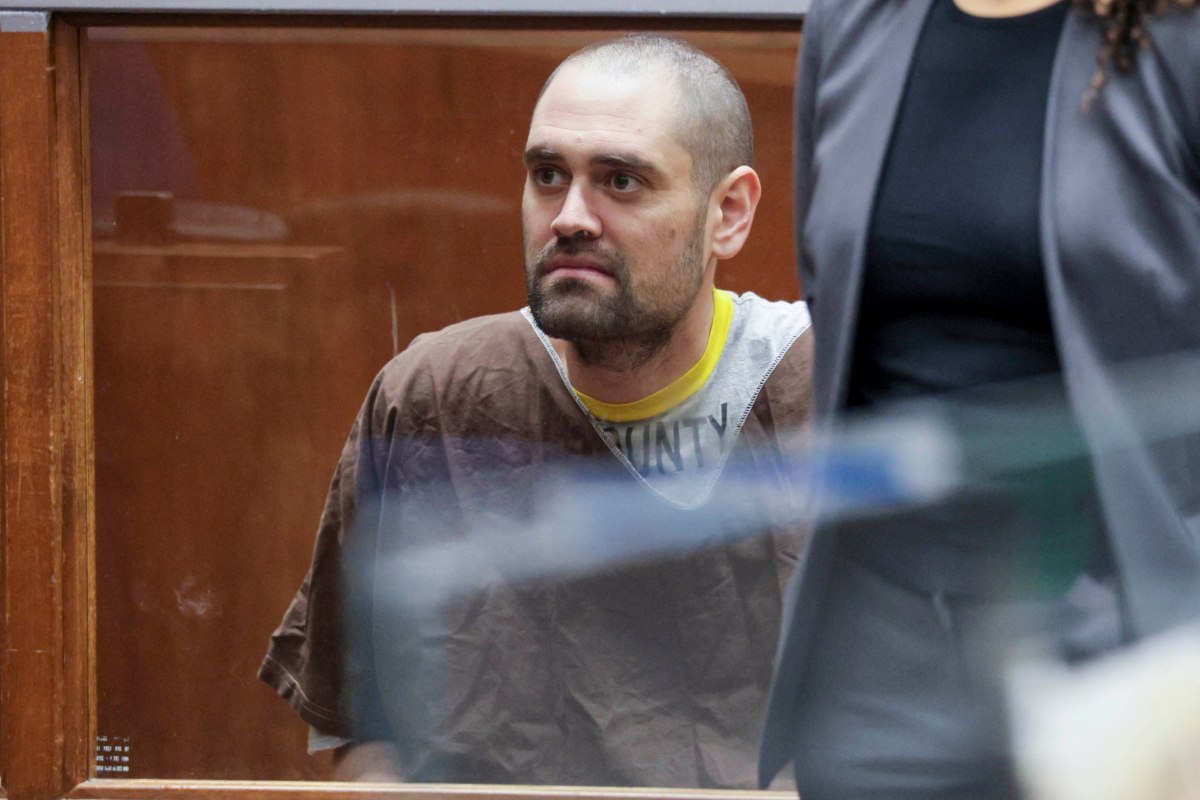
Nick Reiner may spend the rest of his life in prison if convicted of murdering his parents, but he will not be executed. That decision gives the case a brutal symmetry.
Rob Reiner spent years learning that greater punishment did not necessarily produce a better outcome for his troubled son. California prosecutors have now come to the same conclusion at the farthest edge of criminal justice.
Los Angeles County District Attorney Nathan Hochman said Tuesday that prosecutors will not seek the death penalty against Reiner, 33, who has pleaded not guilty to murdering filmmaker Rob Reiner and photographer-producer Michele Singer Reiner.
The decision followed a review of aggravating and mitigating circumstances and consultation with Jake and Romy Reiner, the couple’s surviving children, who opposed seeking their brother’s execution.
Nick Reiner still faces life without parole if convicted. The state has therefore preserved an absolute punishment while rejecting its most severe one, which is a distinction that runs through Rob Reiner's history with his son.
Nick struggled with addiction as a teenager, moving through rehabilitation programs and periods of homelessness before drawing on those experiences with his father for the semi-autobiographical film Being Charlie. Rob later described how treatment professionals had urged the family to practice “tough love,” including putting Nick out of the house.
“It went against every one of my instincts,” the father told The New Yorker in 2016.
Rob Reiner eventually came to distrust the assumption behind that advice, believing that the escalating consequences would force his son toward recovery. He later said parents could sometimes understand their children better than treatment professionals, describing how he and his wife came to question the experts they had once followed.
Of course, there is no evidence that Rob Reiner expressed a view on what punishment his son should receive under circumstances like these but the public, and the prosecution, could potentially analyze the principle that his experience exposed, which is that severity and accountability are separate judgments.
A grand jury indictment accuses Nick Reiner of two murders, multiple-murder special circumstances and murder by lying in wait, and prosecutors allege he used a knife, allegations that made him eligible for capital punishment. He has pleaded not guilty to the charges.
For supporters of the death penalty, that makes the prosecution’s decision debatable on its own terms. A case alleging two victims, planning and lying in wait fits squarely within the category of crimes California law permits prosecutors to treat as capital offenses.
Yet the Reiners’ surviving children reached a different conclusion—they were prepared to see their brother face permanent imprisonment while asking prosecutors to stop short of execution, which may be considered by some as a harder position than simple mercy. It accepts punishment with virtually no prospect of restoration while insisting that the harshest available response still requires a separate justification.
Rob Reiner once confronted that distinction as a father trying to decide how far punishment should go when someone he loved was destroying his own life. Prosecutors now confront it after Rob and Michele Reiner lost theirs.
If Nick Reiner is convicted, the law may take away everything he has left except his life. In an awful way, that is the kind of boundary his father spent years learning to draw.