‘Niger Delta received $160b in 27 years without development’ - The Guardian Nigeria News
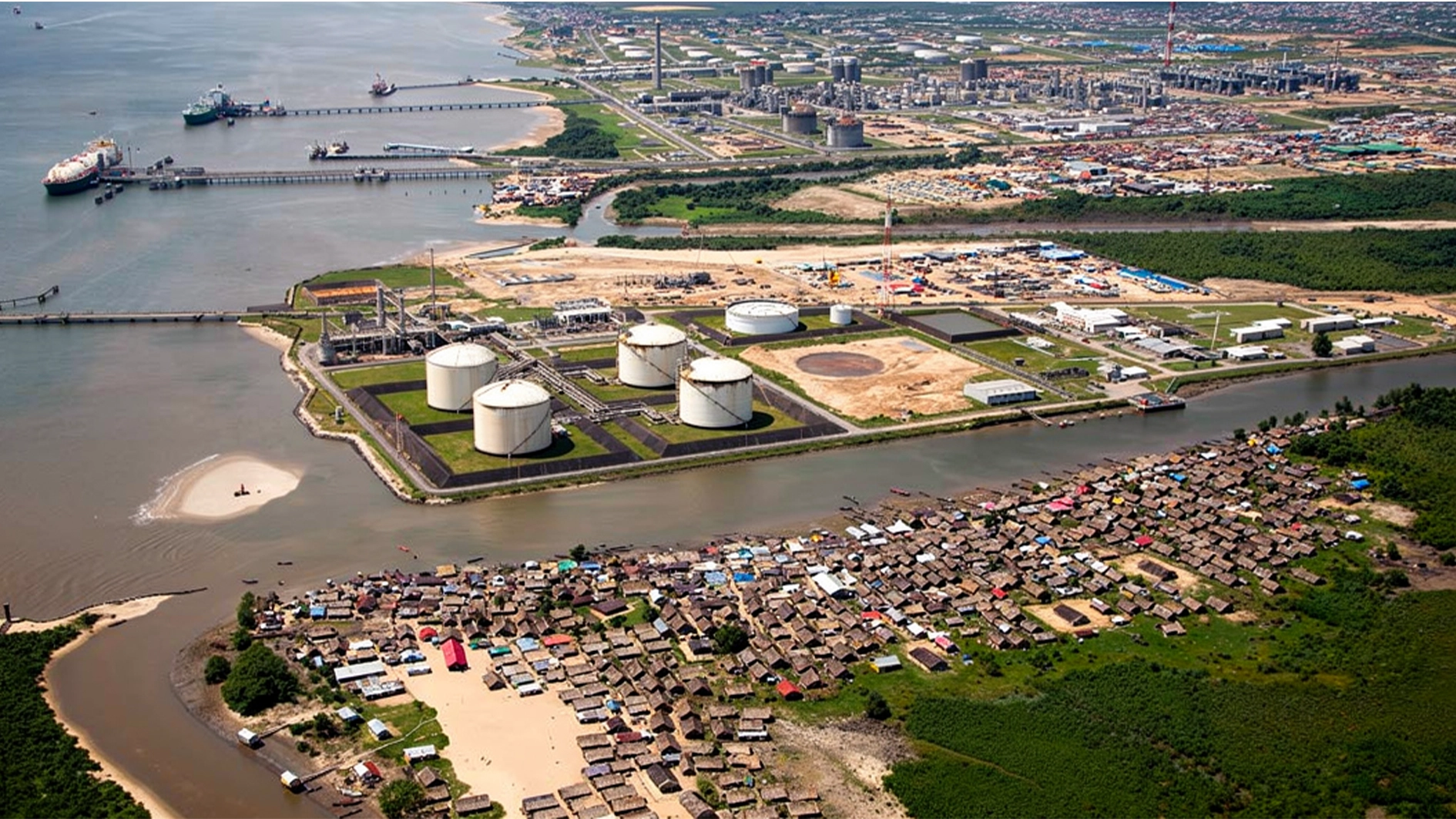
Keynote Speaker at the ongoing Niger Delta Economic and Investment Summit 2026, Mr Aigboje Aig-Imoukhuede, has disclosed that oil-producing states in the region have received about $160 billion in revenue from their natural resources since 1999, without commensurate development. Aig-Imoukhuede, who made the disclosure yesterday in Port Harcourt, said the huge revenues accruing to the region had failed to translate into corresponding improvements in development indicators and the living conditions of its people. “Since 1999, by my estimates, the Niger Delta states and their local councils have received the historical equivalent of $140 billion in federal allocations, including the benefit of agriculture. When you take into account the substantial resources separately channelled through the NEDC, I think the accumulated resources have been about $160 billion over 27 years. There are no single consolidated public accounts,” he said. Aig-Imoukhhuede asked a plethora of questions about the region’s infrastructure that raises productivity.
“What industrial capacity was created? What regional economic platforms emerged? What institutions have been established that can repeatedly originate, finance, and execute complex projects? What globally competitive enterprises grew out of this period? What assets would still be producing 25 years from now?” He agreed that the region contains enormous hydrocarbon reserves, extensive coastlines and waterways, fertile land, major urban centres, ports, universities, entrepreneurs, and a brilliant youthful population, yet, “most recent comprehensive poverty surveys suggest that more than half of our people are multidimensionally poor. And in some of the most resource-rich states, the incidence is substantially higher”. The Chairman of Access Bank Holdings proposed that the Niger Delta region requires a development and investment compact, a durable framework within which our nine constituencies, the Federal Government, the private enterprise, communities, development institutions, and long-term capital can agree on a limited number of regional priorities and organise themselves to deliver them.
Meanwhile, the Director-General of the World Trade Organisation (WTO), Dr Ngozi Okonjo-Iweala, has urged the Niger Delta to move beyond dependence on oil revenues and embrace private-sector-led investment, job creation, and economic diversification to tackle the region’s deepening poverty. Okonjo-Iweala, who spoke yesterday at the Niger Delta Chambers of Commerce, Industry, Trade, Mines and Agriculture (NDCCTMA) Investment Summit in Port Harcourt, said stronger government-private sector partnerships were critical to unlocking the region’s vast economic potential and improving the living conditions of its people.
She said the region’s economic development must be driven by measurable results, accountability, and private-sector discipline, rather than by the creation of another public-sector institution dependent on government resources. According to her, the Chamber’s areas of focus, including commerce and trade, mining and extractives, oil and gas, manufacturing, construction and finance, could significantly improve the lives of Niger Delta residents if properly managed. She said available data showed that the region’s development indicators remained unsatisfactory despite its abundant natural resources, financial allocations and pool of talented people.