Niger, Lake Chad basins seek water diplomacy to tackle insecurity, climate risks - The Guardian Nigeria News
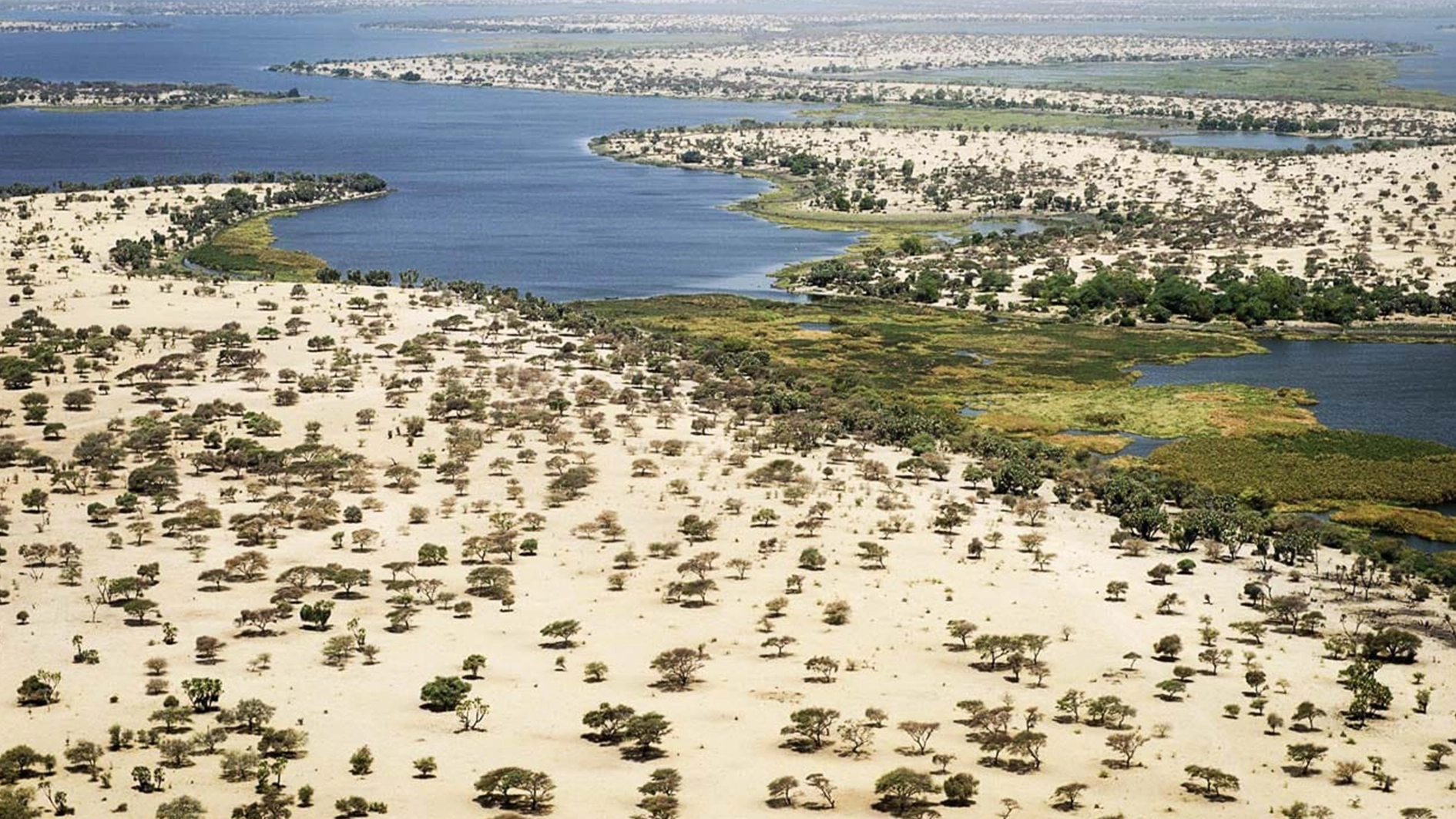
Nigeria and other countries sharing the Niger and Lake Chad basins have renewed calls for stronger water diplomacy, strategic investment and cross-border cooperation to address growing climate, environmental and security challenges threatening livelihoods across the regions.
The call was made on Monday in Abuja at the opening of a three-day Regional Conference on Hydrodiplomacy, Gender and Strategic Investments for Peace, Stability and Shared Prosperity in the Niger and Lake Chad Basins, jointly organised by the Niger Basin Authority (NBA) and Lake Chad Basin Commission (LCBC).
The Minister of Water Resources and Sanitation, Prof. Joseph Utsev, said the challenges confronting the two basins transcend national boundaries, requiring collective action to ensure that shared water resources are managed sustainably and equitably.
Utsev said water diplomacy had become increasingly important as the basins contend with climate change, environmental degradation, insecurity, pressure on natural resources and declining livelihoods.
“Water does not recognise political boundaries. Its availability, management and movement transcend national frontiers. Our response must therefore equally be collective,” he said.
He urged the NBA and LCBC to deepen operational synergy through joint planning, knowledge exchange, technical cooperation and strategic investments, noting that the two institutions have overlapping mandates and face interconnected challenges.
According to him, Nigeria’s position as a member of both regional transboundary organisations places a responsibility on the country to support efforts aimed at promoting sustainable water management, climate resilience, livelihoods and regional stability.
The minister also called for greater inclusion of women in water governance, arguing that women play central roles in water management, agriculture, food security and community resilience but remain underrepresented in decision-making.
He said gender considerations should be incorporated into the technical, social, environmental and economic assessment of transboundary investments.
He disclosed that the conference would also provide an opportunity for experts to develop gender policy and strategic frameworks for the NBA and LCBC to promote equity, inclusion, peace and stability across the two basins.
Utsev said the scale of challenges confronting the shared basins required financing beyond government resources, urging development partners, international financial institutions, the private sector and other stakeholders to mobilise innovative financing.
He said investments in water security, climate resilience, irrigation, sanitation, ecosystem restoration, renewable energy, livelihoods and health could generate benefits across national borders.
Earlier, the Executive Secretary of the NBA, Kocou Houanye, said the conference was intended to provide a platform for preventing and managing conflicts associated with the use of natural resources.
He said the Niger and Lake Chad basins have strong hydrological, socio-economic and resilience interdependencies, with four countries belonging to both basin organisations.
According to him, the regions are also exposed to climate and environmental risks, dependence on natural resources, insecurity and unequal access to development opportunities.
Houanye disclosed that the physical implementation rate of PIDACC had risen from 37 per cent in September 2025 to 48.3 per cent, while its financial implementation rate increased from 27 per cent to 57 per cent over the same period.
The commitment rate, he added, rose from 49 per cent to nearly 60 per cent.
He attributed the improvement in Nigeria to the mobilisation of government authorities, support from the World Bank and commitment by other stakeholders.
Houanye said the programme had previously faced such a low level of implementation that its termination had been considered, but that the situation had since improved significantly.
He urged stakeholders to sustain the momentum to ensure successful completion of PIDACC and prepare for a larger successor programme, potentially involving all nine NBA member states and placing greater emphasis on strategic water infrastructure.
He said the regional meetings would also include the 2026 session of the NBA Regional Steering Committee, which would review programme performance, proposed 2027 work plans and budgets, as well as activities of dam agencies operating within the Niger Basin.
Representing GIZ, Mrs Hanna said climate change, pressure on natural resources, insecurity and weakened livelihoods were interconnected challenges requiring coordinated responses rooted in the realities of affected communities.
She said GIZ would continue supporting the NBA and its member states to develop coordinated responses that combine technical knowledge, institutional dialogue and community participation.
According to her, such an approach could help prevent tensions and create sustainable economic opportunities, particularly for women and young people.
“Water cooperation” she said, could serve as a driver of peace, stability and shared prosperity when basin organisations, states and communities work around common interests and development opportunities.
The representative of the National Focal Structure, Mrs Angela Keyede, said the meeting also provided an opportunity to strengthen the role of value-based organisations in peacebuilding, social cohesion, stability, resilience and inclusive economic development, particularly in fragile and vulnerable communities.
She stressed the need to integrate gender considerations into hydrodiplomacy and strategic investment planning to ensure that women and vulnerable groups are meaningfully represented in transboundary water governance.
Keyede said the conference would also review and validate the NBA gender policy and strategy, alongside the LCBC’s gender strategy under its Lake Chad WASH programme.
She urged participants to identify practical solutions and opportunities for stronger collaboration and strategic investment across the two basins.
The conference brings together representatives of member states, basin organisations, technical and financial partners, national focal structures, resource-user groups and other stakeholders to examine how water cooperation and strategic investments can contribute to peace, resilience and development across the Niger and Lake Chad basins.