Nigeria’s 3-0 Defeat to Guinea-Bissau: Seven key takeaways as Super Eagles lose ground in AFCON Qualifiers - Premium Times Nigeria
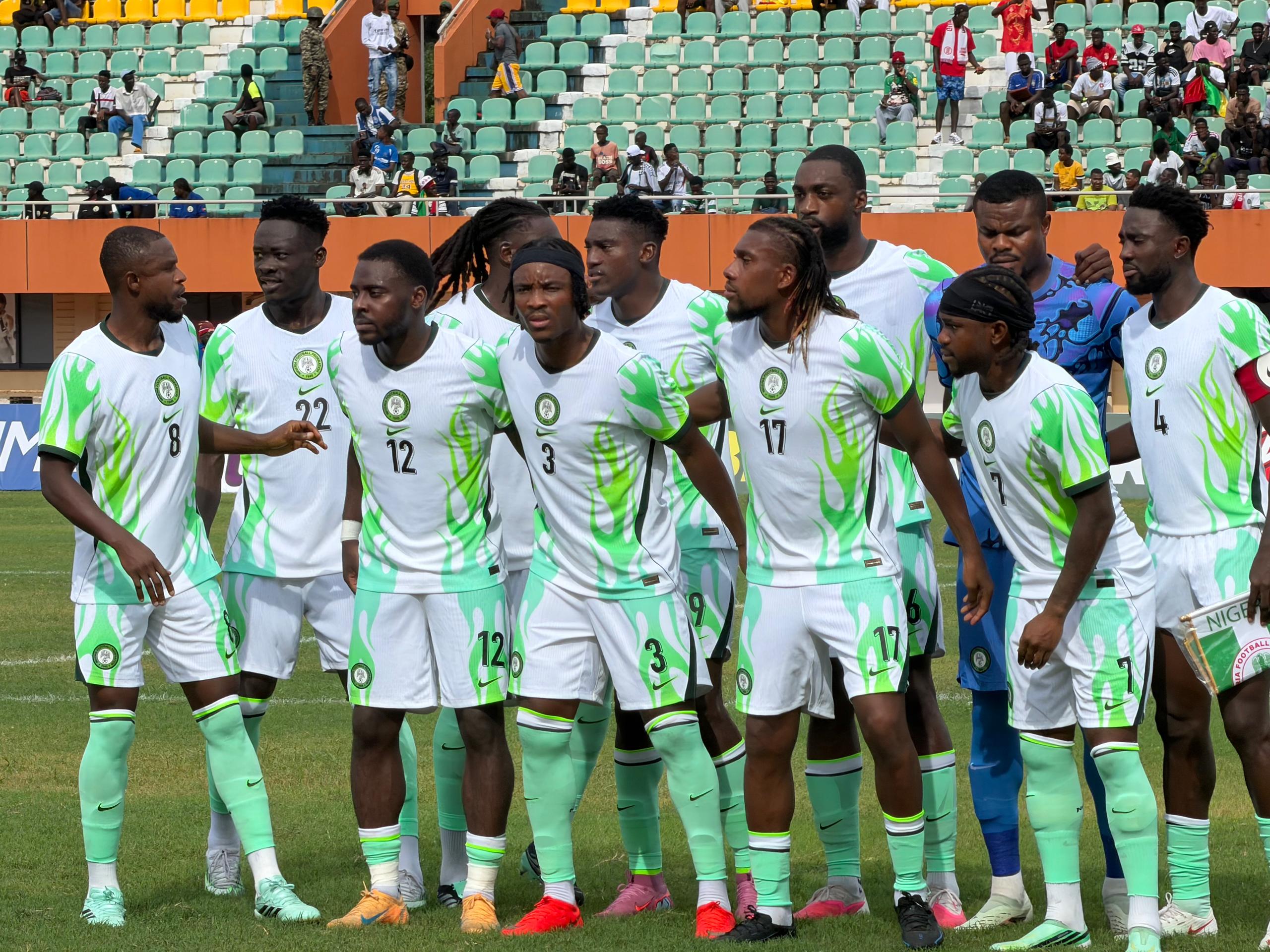
Nigeria’s hopes of making an early statement in the 2027 Africa Cup of Nations qualifying race suffered a major setback on Tuesday evening as the Super Eagles were beaten 3-0 by Guinea-Bissau, away in Bissau.
After opening their campaign with a hard-fought 2-1 victory over Madagascar in Uyo on Friday, Eric Chelle’s side travelled to Guinea-Bissau looking to build on that result and take control of Group D.
Instead, the Super Eagles produced a largely disappointing performance and were punished by a Guinea-Bissau side that showed greater urgency, composure and efficiency in front of goal.
Trabzonspor forward Franculino Djú gave the hosts the lead in the first half, cutting inside before curling a superb effort into the bottom corner beyond the reach of Stanley Nwabali.
Captain Mama Baldé then doubled Guinea-Bissau’s advantage after the break, beating Bright Osayi-Samuel before keeping his composure to slot the ball past Nwabali.
With Nigeria struggling to find a response, Alvaro Djalo added a third goal in the closing stages to complete a convincing victory for the Djurtus.
The result leaves Guinea-Bissau with maximum points from their opening two matches, while Nigeria remain on three points and now face increased pressure heading into the next round of qualifiers.
PREMIUM TIMES looks at seven key takeaways from the Super Eagles’ disappointing defeat in Bissau.
For the second consecutive qualifying match, Nigeria found themselves chasing the game after conceding an early goal.
The Super Eagles had already been punished by a slow start against Madagascar in Uyo, and there was little evidence of improvement in Bissau.
Nigeria’s lack of concentration at the beginning of the contest allowed Guinea-Bissau to settle quickly, and Franculino made them pay with a fine individual finish.
The goal immediately changed the complexion of the game, forcing Nigeria to chase an equaliser against a home side that became increasingly confident.
For a team with ambitions of qualifying comfortably for the 2027 AFCON, repeatedly putting itself in difficult positions from the opening stages will be a major concern.
Against Guinea-Bissau, the Super Eagles never truly recovered from the early setback.
Eric Chelle made three changes to the side that defeated Madagascar 2-1 in Uyo, bringing Frank Onyeka, Bright Osayi-Samuel and Taiwo Awoniyi into the starting XI.
The trio replaced Samuel Chukwueze, Ola Aina and George Ilenikhena, as the Super Eagles coach looked to freshen up his team for the second game of the qualifying campaign.
Ilenikhena’s absence from the starting line-up was linked to fitness concerns, having featured against Madagascar, while the decisions to leave Chukwueze and Aina out appeared to be tactical.
However, the changes failed to produce the desired improvement, with Nigeria struggling for rhythm and control for long periods.
The Super Eagles found it difficult to impose themselves in midfield and were frequently forced onto the back foot by a Guinea-Bissau side that attacked with greater purpose.
Franculino Djú was one of the standout performers for Guinea-Bissau and caused Nigeria problems throughout the encounter.
The Trabzonspor forward was particularly dangerous whenever he received the ball in attacking areas, combining pace, close control and direct running to put pressure on the Nigerian defence.
His opening goal was a demonstration of his individual quality.
Franculino skipped past Bruno Onyemaechi before creating enough space to curl a precise effort into the bottom corner, leaving Nwabali with little chance.
But his contribution went beyond the goal, as the 22-year-old repeatedly tested Nigeria’s defenders with his movement and ability to carry the ball forward, while his willingness to attack space ensured the Super Eagles’ backline could never completely settle.
On a night when Nigeria struggled to control the midfield, Franculino and his teammates were able to exploit the spaces in front of the defence.
The defeat has significantly complicated Nigeria’s position in the qualification race.
Tanzania, who are co-hosts of the 2027 AFCON, are already guaranteed a place at the tournament, meaning Nigeria, Guinea-Bissau and Madagascar are effectively competing for the remaining qualification spot in the group.
Guinea-Bissau have now collected six points from their opening two matches, while Nigeria have three points.
That means the Super Eagles have little room for further mistakes when the qualifying campaign resumes in November.
Their victory over Madagascar had provided Nigeria with the perfect opportunity to start the campaign strongly, but Tuesday’s defeat has wiped away much of that advantage.
Rather than establishing themselves as the team to beat in the group, the Super Eagles now find themselves in a chase.
The November fixtures will therefore carry significantly greater importance, particularly if Guinea-Bissau maintain their perfect start.
The absence of Victor Osimhen was once again felt in the Super Eagles attack.
Osimhen missed the encounter through injury, while George Ilenikhena, who stepped in during the previous victory over Madagascar, was unable to start because of fitness concerns.
That left Ademola Lookman, Akor Adams and Taiwo Awoniyi with the responsibility of leading Nigeria’s attack.
The trio, however, struggled to make a sustained impact against a disciplined Guinea-Bissau defence.
Lookman was unable to produce the decisive moments that have become a major part of his game for the Super Eagles, while Adams found it difficult to consistently get into dangerous positions.
Awoniyi also endured a frustrating evening and was replaced at the start of the second half as Chelle attempted to change the direction of the game.
Lookman and Adams were subsequently withdrawn later in the second half, but the changes did little to alter Nigeria’s fortunes.
Without Osimhen’s physical presence, movement and ability to stretch opposing defences, Nigeria lacked a consistent focal point in attack and struggled to turn possession into genuine scoring opportunities.
Nigeria’s defensive problems cannot be separated from the team’s struggles in midfield.
The Super Eagles conceded three goals in Bissau after also allowing Madagascar to score in Uyo, raising questions about the team’s ability to control matches and protect the backline.
The numbers are particularly concerning given the FIFA rankings of the two opponents at the time referenced in the build-up: Madagascar were ranked 104th and Guinea-Bissau 132nd.
Calvin Bassey worked tirelessly across the backline and tried to deal with the pressure, but Nigeria’s midfield struggled to provide sufficient protection.
Guinea-Bissau repeatedly found space between Nigeria’s midfield and defence, allowing players such as Franculino and Baldé to attack with greater freedom.
Mama Baldé’s second goal exposed that vulnerability again, as the Guinea-Bissau captain was able to run at Osayi-Samuel before calmly finishing.
For all of Nigeria’s attacking talent, the inability to control the middle of the pitch left the defence exposed far too often.
The condition of the playing surface also appeared to affect Nigeria’s performance.
The uneven pitch made it difficult for the Super Eagles to play the quick, clean passing football they would have preferred, with several players struggling to control the ball and execute passes accurately.
Nigeria consequently found it difficult to build sustained attacking moves and maintain possession for long spells.
However, the playing surface alone cannot explain the defeat. Guinea-Bissau faced the same conditions and adapted better to them, particularly in the decisive moments.
Nigeria needed greater intensity, sharper movement and better decision-making to overcome the difficult conditions, but those qualities were largely missing as the match progressed.
The 3-0 defeat ultimately exposed several areas Chelle will need to address before the next round of qualifiers.
Nigeria still have plenty of time to respond, but the margin for error has already become smaller after surrendering the advantage gained from their opening-day victory over Madagascar.