
Nigeria’s TB control faces funding shortfall as drug shortages undermine treatment - The Guardian Nigeria News
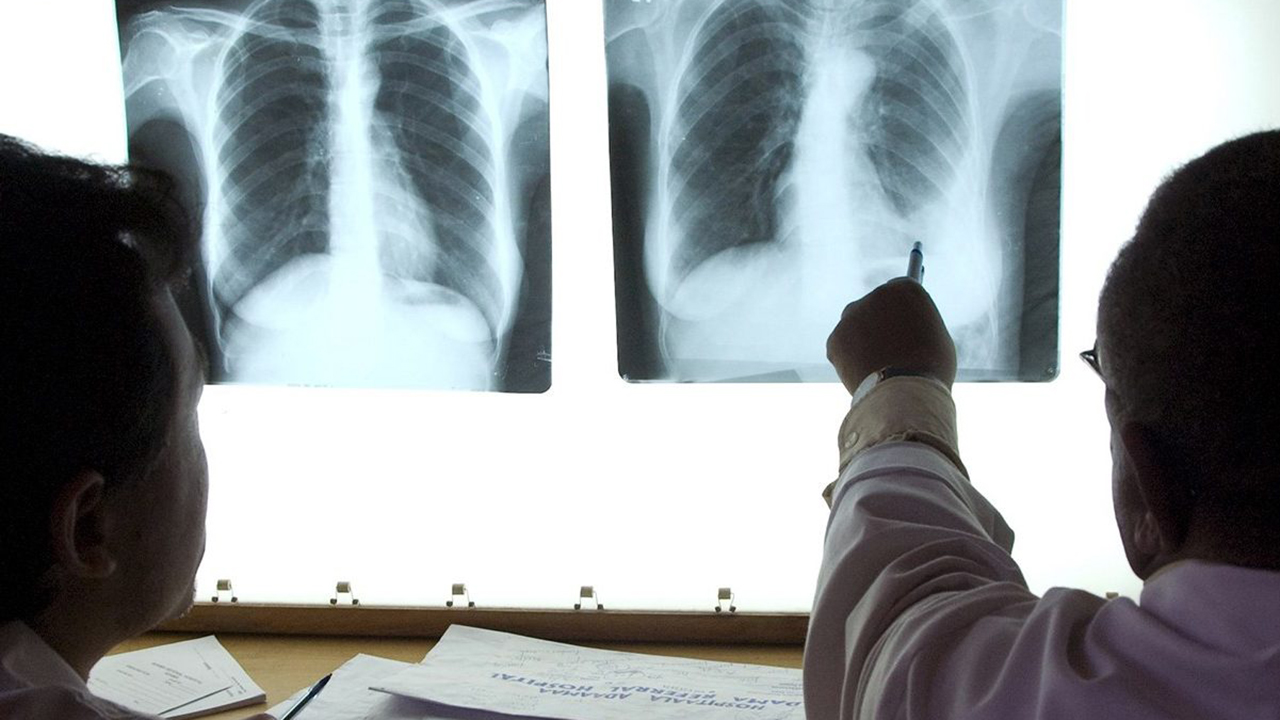
Nigeria’s tuberculosis (TB) control programme is facing a funding shortfall, with more than 70 per cent of its activities reportedly unfunded, while shortages of essential medicines are leaving patients with drug-resistant tuberculosis (DR-TB) without access to treatment.
The Senior Manager and TB Programme Lead of the Global Fund Project at the Institute of Human Virology Nigeria (IHVN), Dr Temitope Adetiba, told The Guardian that patients with severe forms of the disease were increasingly unable to obtain medicines needed for treatment.
Adetiba said Nigeria records an estimated 21,000 drug-resistant TB cases annually and more than 460,000 cases of all forms of TB, placing it among the six countries with the highest disease burden globally.
He attributed the funding gap to Nigeria’s heavy dependence on external support, noting that the latest World Health Organisation (WHO) global report showed that more than 70 per cent of the country’s TB programme remained unfunded, while development partners provided over 80 per cent of available funding.
He said the shortfall was affecting access to medicines, particularly for patients with complicated drug-resistant infections who require specialised treatment.
“I sit on a national team of experts that manage difficult drug-resistant TB cases. We are having a mounting number of cases of DR-TB that do not have some specific medicines that the funders have not been able to make available.
“Those patients are literally just waiting to die because there is nobody they can buy the medicines from. And so we just talk and watch. It is a sorry state of things when you see people who have a disease that can be cured, but they literally die in your face,” he said.
Adetiba urged federal, state and local governments to increase domestic funding for TB control rather than leave the responsibility largely to international donors.
He called on local government councils to include TB interventions in their yearly budgets, arguing that controlling the disease requires action at community level and across sectors beyond healthcare.
Adetiba identified malnutrition, HIV, diabetes, overcrowded housing and poor treatment of drug-sensitive TB as factors contributing to the spread of the disease and the emergence of drug resistance.
Undernutrition, he said, weakens immunity and increases susceptibility to TB infection. Drug-resistant TB can also emerge when patients receive inappropriate treatment, interrupt prescribed medication or are exposed to the misuse and abuse of antibiotics.
Children are particularly vulnerable when exposed to adults with active TB in households, schools and other crowded environments, he said. Such exposure does not necessarily come from parents but may involve siblings, teachers, schoolmates, domestic workers and drivers. Adetiba called for stronger contact tracing and early screening of children who have been in contact with infected persons.
Despite the funding constraints, he said Nigeria had improved its capacity to detect and treat TB over the past decade, with treatment coverage rising from below 30 per cent to about 80 per cent.
He attributed the progress to increased government investment, expanded diagnostic facilities and the involvement of private healthcare providers.
Adetiba said IHVN had engaged more than 25,000 private healthcare providers nationwide to offer free TB services, targeting patients who first seek care at pharmacies, chemists, private hospitals and clinics rather than public facilities.
The organisation has also supported more than 20 specialised DR-TB treatment centres and the establishment and equipping of TB reference laboratories. It also facilitates the transportation of sputum samples from healthcare facilities to laboratories for testing, helping patients in underserved communities access diagnosis.
However, Adetiba said expanded testing and treatment coverage would not be sustainable without reliable funding, public education and action on the social conditions that drive transmission.
Describing TB as a disease of inequality, he said efforts to control it must address malnutrition, inadequate housing, poverty, education and barriers to healthcare. He warned that overcrowded, poorly ventilated accommodation increases transmission risks, adding that a person with active drug-resistant TB could infect between 10 and 20 people within a year in such conditions.
Adetiba also criticised persistent misconceptions and stigma, saying some Nigerians still attribute TB to spiritual causes despite the availability of laboratory testing and free treatment.
“Many Nigerians don’t know about TB, not to talk of drug-resistant TB. Even among educated people, because awareness is low, there is a high level of ignorance and stigma. People don’t know that there is help for what bothers them. We still hear people saying TB is a spiritual problem when it can be tested in the laboratory, treated and cured,” he said.
Adetiba urged the media to intensify public education and correct misconceptions about the disease.
He also called for full implementation of Nigeria’s Multisectoral Accountability Framework for TB, which outlines the responsibilities of different sectors in controlling the disease. Adetiba said reducing Nigeria’s TB burden would require sustained domestic financing, improved nutrition and housing, stronger healthcare services and public awareness.
