No word from Riyadh on oil delivery cancellations as scale of disruption remains unclear
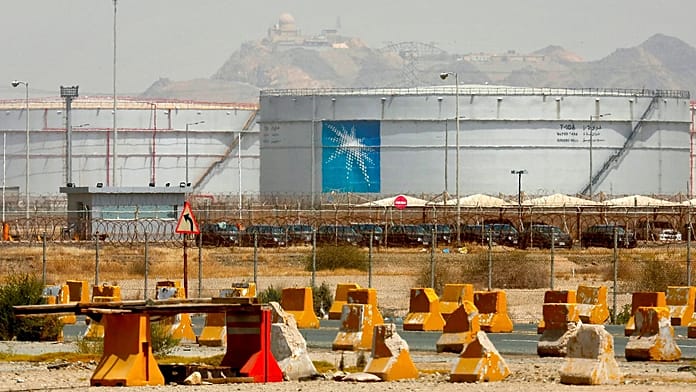
Saudi Arabia has not commented on reports that it has cancelled or delayed crude oil shipments to European refiners following last week's drone strikes on its East-West pipeline, as the scale of the disruption to European deliveries remains unclear.
Energy pricing agency Argus reported on Tuesday that at least three European refiners had cargoes scheduled for late September cancelled or postponed, in some cases until November, citing unnamed market sources.
Saudi Arabia's energy ministry announced a precautionary shutdown last Friday after drone attacks on the pipeline in the Riyadh and Medina regions the previous day.
Saudi and Iraqi authorities said the drones came from Iraq. The ministry said technical teams were checking the pipeline, but did not say when pumping would restart.
The pipeline carries crude from Saudi Arabia’s eastern oilfields to the Red Sea port of Yanbu, allowing exports to bypass the Strait of Hormuz.
From Yanbu, tankers heading to Europe sail north towards the Suez Canal. Egypt’s SUMED pipeline provides another route for crude to reach the Mediterranean from the Red Sea.
Oil stored at export terminals can keep cargoes moving during a shutdown. How long those stocks last depends on the amount available and how quickly pipeline deliveries resume.
US Energy Secretary Chris Wright said on Tuesday that the pipeline interruption would be “measured in days”.
Saudi Arabia’s state-controlled oil company Aramco did not respond to Euronews’ request for comment at the time of publication.
The Saudi-led coalition said on Wednesday that it had intercepted a Houthi drone south of Mecca the previous evening. The Houthis denied targeting the city.
Last week, Yemen's Iran-backed Houthis took control of the Bab el-Mandeb strait in the Red Sea after seizing the port of Mokha and nearby islands from Yemen's Saudi-supported internationally recognised government.
Bab el-Mandeb lies south of Yanbu, on the direct route to Asia. Europe-bound tankers sailing north from Yanbu do not pass through it, but the strait is a key passage for trade between Europe and Asia.
Qatar warned on Tuesday that losing access to Bab el-Mandeb would worsen the disruption already affecting shipping through Hormuz.
Ibrahim bin Sultan Al Hashmi, director of media and communication at Qatar’s foreign ministry, told a briefing in Doha that this would be “catastrophic for the entire world," calling for international efforts to keep the waterway open.
Meanwhile, Saudi Crown Prince Mohammed bin Salman and Egyptian President Abdel Fattah el-Sisi discussed the security of regional shipping routes in Cairo on Tuesday.
El-Sisi said Saudi and Gulf security formed part of Egypt's national security, expressing support for Saudi measures to protect the kingdom and calling for a political settlement in Yemen.