Not elephants or tigers, monkeys, wild boars cause most distress in Wayanad: Study
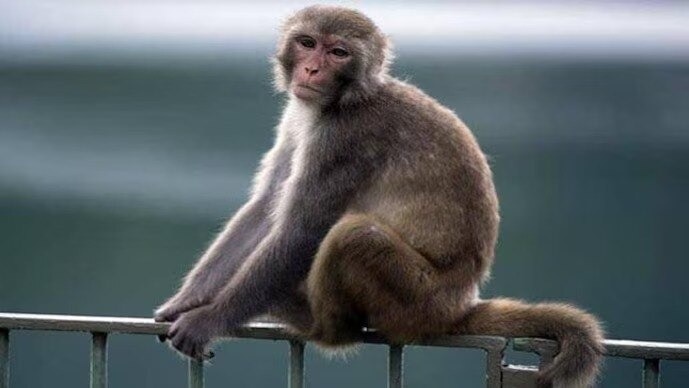
It is not elephants or tigers but monkeys and wild boars that are causing the most frequent distress to residents of Kerala’s Wayanad district, according to a new study examining the growing human-wildlife conflict in the region.
The study, conducted jointly by researchers from Kannur University and the University of Geneva, found that the cumulative damage caused by smaller animals can be comparable to the losses resulting from major incidents involving larger mammals.
Published in Scientific Reports, a Nature Portfolio journal by Springer Nature, the study was led by Dr Joseph J Erincheri of Kannur University and Dr Takuya Iwamura of the University of Geneva. Research scholar C M Lakshmi conducted the fieldwork during 2022-23.
The research team also included former Kannur University professor Dr P K Prasadan, researcher Stephina C C and Tanner Corless Smith of the University of Geneva.
Researchers collected responses from 998 people across 49 villages, focusing on settlements and areas located along forest fringes.
The study found that 84 per cent of respondents had experienced human-wildlife conflict, while 81 per cent said the increasing frequency of animal incursions and the severity of disturbances had negatively affected their attitude towards wildlife conservation.
Although elephants and big cats continue to cause fear, monkeys emerged as the most commonly reported source of conflict.
Around 37 per cent of respondents rated monkey-related conflict as moderate to highly intense, while 5 per cent described it as extremely intense. Severe crop damage and destruction of property made monkeys the species with the highest extreme-intensity rating among the eight animals studied.
Wild boars were the next major concern, with 30 per cent of respondents describing them as a high-intensity threat, largely because of extensive crop damage.
Peafowls were also commonly reported, with 30 per cent of respondents reporting their presence, although the perceived intensity of the conflict was relatively lower.
By comparison, interactions involving elephants were reported by 23 per cent of respondents, while tigers, leopards and gaurs accounted for 4 per cent, 3 per cent and 3 per cent respectively.
However, researchers noted that incidents involving larger animals can still result in significant economic losses, security concerns and fear among residents.
According to Lakshmi, conflicts involving elephants and tigers are largely concentrated around forest fringes, whereas monkeys, wild boars and peafowls have increasingly adapted to human settlements and now pose recurring challenges across villages.
The researchers also analysed newspaper reports from 2022-23 and the government's compensation distribution system, finding that compensation mechanisms largely favour incidents involving larger mammals.
While cases involving elephants and tigers generally receive compensation, repeated crop and property damage caused by monkeys and wild boars often goes unaddressed because individual incidents may appear less severe.
The study called for a more equitable compensation system that considers the cumulative financial impact of repeated damage caused by smaller animals rather than focusing only on isolated, high-impact incidents.
The researchers also recommended species-specific mitigation measures based on the animals responsible for conflict in individual areas.
Further research is underway to map human-wildlife conflict hotspots across Wayanad. The findings will be submitted to the state government and Forest Department, researchers said.
Separately, the university is conducting research into the potential transmission of zoonotic diseases as wildlife increasingly enters human settlements.- EndsPublished By: India Today Web Desk Published On: Sep 15, 2026 21:59 IST