
NSPCA criticises suspended sentences in Britstown dog-cruelty case - IOL
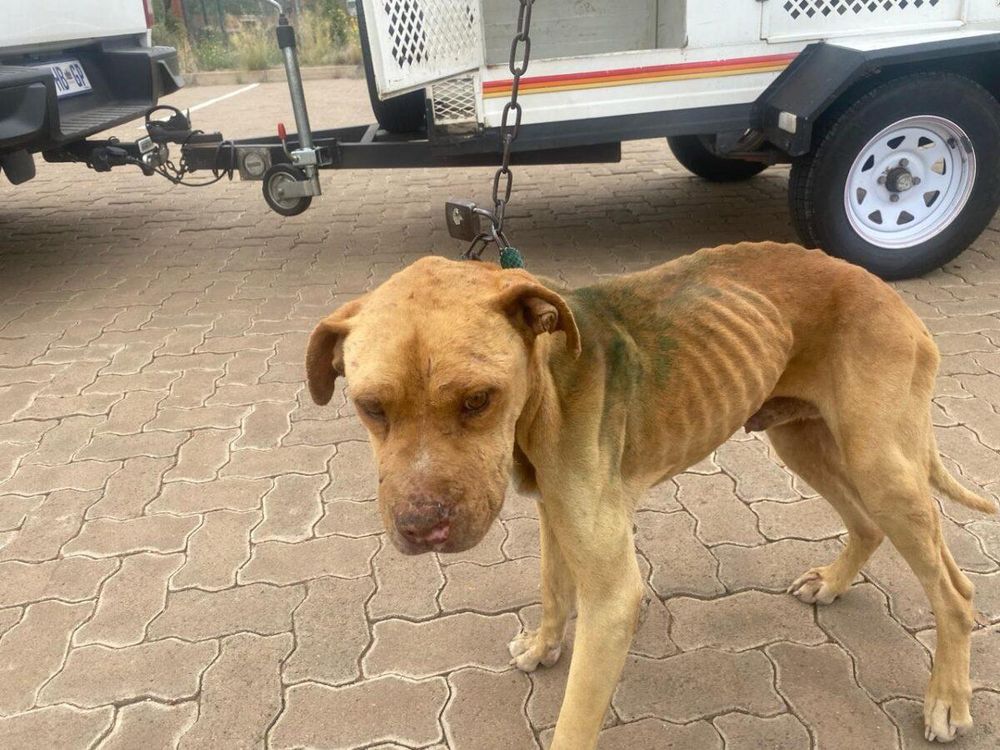
n emaciated and wounded dog found chained during an NSPCA investigation into an alleged dog-fighting ring in Britstown, Northern Cape.
The NSPCA has criticised the suspended fines handed to the two men convicted of animal cruelty after chained and wounded dogs were found during an investigation in Britstown, Northern Cape.
The NSPCA published its account of the case on September 17, 2026, under the headline “Dogfighting Case Ends in Suspended Fine for Two Northern Cape Accused”. The convictions and sentences were handed down earlier, on August 6, 2026, at the Britstown Magistrate’s Court.
Christopher Boesak and Geriaan Maritz each pleaded guilty to animal cruelty. Each was sentenced to a fine of R2,000 or six months’ imprisonment, wholly suspended for five years on condition that they did not re-offend, according to the NSPCA.
“A wholly suspended fine does not reflect the cruelty of this case or the harm it causes, and it does little to deter others,” said Senior Inspector De Klerk, manager of the NSPCA’s Special Projects Unit.
The investigation began on January 30, 2024, when the NSPCA received a complaint about a suspected dog fight in the Britstown area.
Inspector Sibande and Senior Inspector Semenya travelled from the NSPCA’s offices in Alberton, Gauteng, to investigate. The inspectors located the suspects, after which a warrant was obtained and executed at both properties.
According to the NSPCA, inspectors found the dog chained up with untreated wounds. One dog was allegedly emaciated and ill but had still been forced to fight.
The charges of animal cruelty and dog fighting laid against the two men were brought under the Animals Protection Act 71 of 1962. Both men pleaded guilty to animal cruelty under section 2(1)(b) of the Act.
The NSPCA said the State did not pursue a separate animal-fighting charge under section 2A, despite that charge having been included in the docket.
The men were therefore convicted of animal cruelty. There was no separate conviction for dogfighting.
The NSPCA’s investigation began after a complaint about a suspected dogfight, but the court outcome described in the organisation’s account records convictions only for animal cruelty.
Section 2A of the Animals Protection Act deals specifically with animal fights, including keeping, training, or controlling an animal for the purpose of fighting another animal. It also covers promoting or allowing animal fights. The provision carries a possible fine or imprisonment of up to two years.
“Dog fighting is illegal under the APA,” De Klerk said, adding that it was “closely linked to other criminal activity that harms the people, children, and communities where it happens.”
The NSPCA said its investigation and court follow-ups continued for more than two years before the case was finalised this year.
The organisation said a wholly suspended sentence did little to acknowledge the harm suffered by the dogs.
“A wholly suspended fine does not reflect the cruelty of this case,” De Klerk said, “or the harm it causes”.
The NSPCA’s criticism is directed at the sentence rather than the conviction. The two men pleaded guilty to animal cruelty and were convicted, but the organisation believes the punishment was not sufficiently severe.
The NSPCA said it wants courts to impose sentences that reflect what it described as organised animal cruelty.
“The NSPCA is calling for sentences that treat organised animal cruelty as the serious crime it is,” De Klerk said.
The organisation also argued that stronger sentences could help deter people from using animals in fights or keeping them in conditions that cause unnecessary suffering.
The Animal Protection Act includes offences relating to unnecessary chaining, inadequate care, neglect and failure to obtain medical treatment for an animal in need of such care.
Rescued dog from a Northern Cape animal abuse case safely in the care of the NSPCA.
Although Boesak and Maritz were convicted of animal cruelty, the NSPCA believes the given suspended fines do not accurately reflect the reported condition of the dogs or the alleged use of one animal in a fight.
The NSPCA said it would continue advocating for animal-cruelty cases to be treated as serious offences, with sentences that provide meaningful accountability and deter further abuse.


/file/attachments/2997/KampusProductionUnsplash_738911.jpg)