NSRI reports rise in coastal rescues as school holidays approach - IOL
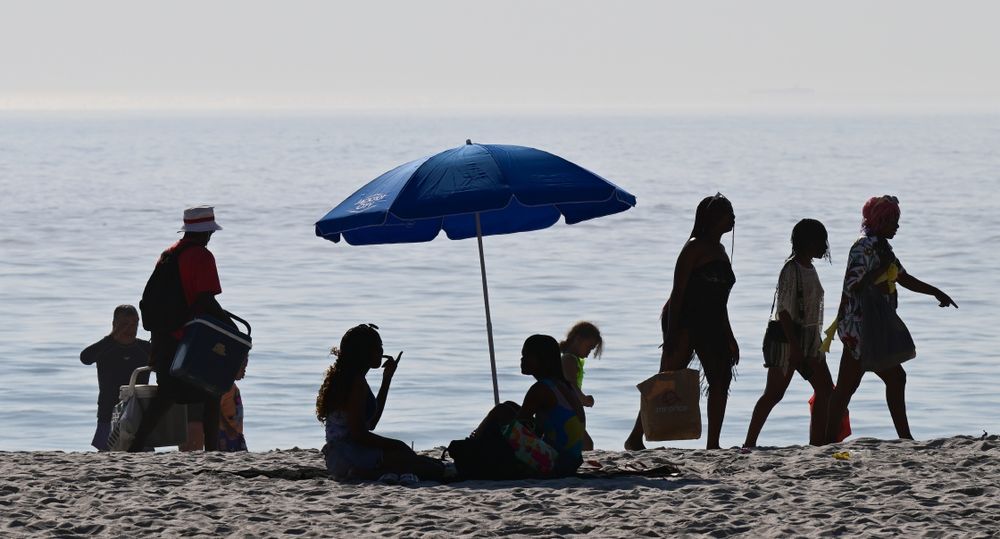
Beachgoers enjoy the warm, summer-like weather at Camps Bay Main Beach on Monday September 21, 2026.
Children under five face the highest risk of fatal drowning in South Africa, prompting an urgent appeal for vigilance from the National Sea Rescue Institute (NSRI) ahead of the September school holidays.
The warning comes as the NSRI reports an increase in rescue activity along parts of the country’s coastline, urging families to prioritise water safety ahead of Heritage Day and the upcoming break.
According to A South African Epidemiological Study of Fatal Drownings: 2016–2021, which analysed South African Police Service records, the country recorded an average of 1,477 fatal drownings annually during the six-year period. This equates to about four deaths a day on average between 2016 and 2021.
The study identifies children under five as the most vulnerable demographic. Between 2016 and 2021, 2,755 deaths were recorded in this age group; the highest total of any demographic over the six years.
Public schools close for the September school holidays on September 23, 2026, with Heritage Day on September 24 marking the start of the break. The NSRI expects more people to visit beaches and inland waterways, attributing this to forecasts of warmer weather.
While increased rescue activity does not necessarily indicate a national increase in drownings, rescuers say the heightened activity along the coast demands preventative action.
“Summer should be a time to enjoy the water safely, but increased activity along the coastline, dams and rivers can also result in more people getting into difficulty,” said NSRI head of communications Andrew Ingram.
Ingram stressed that ocean-based emergencies can be prevented by planning ahead, choosing safer places to swim, and supervising children closely.
"Water safety starts before you leave home. Check where lifeguards will be on duty, make sure everyone knows what to do in an emergency."
"Because drowning is often silent, a child in difficulty may be unable to splash, wave, or call for help."
Actively supervise children whenever they are in or near water.
Keep young children within arm’s reach while they are in the water, including in baths, paddling pools and swimming pools.
Never leave a child unattended near water, even for a moment.
Put mobile phones away and avoid other distractions while supervising children.
Agree on a meeting point before arriving at a beach or another busy location, in case a child becomes separated from the group.
Swim where lifeguards are on duty and stay between the designated flags. Lifeguards identify dangerous currents and respond when someone alerts them.
Never turn your back on the sea, particularly when standing on rocks or fishing from the shoreline.
Wear a correctly fitted lifejacket when boating, paddling, or fishing from rocks.
Avoid alcohol before or during swimming and boating. It impairs judgement and physical ability and can compromise supervision of children and others in your care.
Saws noted that during the 2017/18 and 2018/19 beach seasons, the City of Cape Town reported 30 fatal drownings, many of which were linked to rip currents.
The NSRI recommends that swimmers learn about rip currents before entering the sea.
“If you are caught in one, do not panic or try to swim directly against the current,” the NSRI said.
“Float, raise an arm to attract attention, and, when possible, swim parallel to the beach until you are clear of the current. Then use the incoming waves to help you return to shore.”
The organisation also encouraged people to learn basic bystander CPR, saying it could help save a life while emergency services were on their way.
“Do not enter the water to attempt a rescue,” the NSRI warned. “Instead, throw the person in difficulty something that floats, such as a pink rescue buoy.”
Ingram appealed to the public, "Please actively supervise children whenever they are near water."