Oil prices set for second weekly decline as Trump to stay with Iran blockade - The Business Times
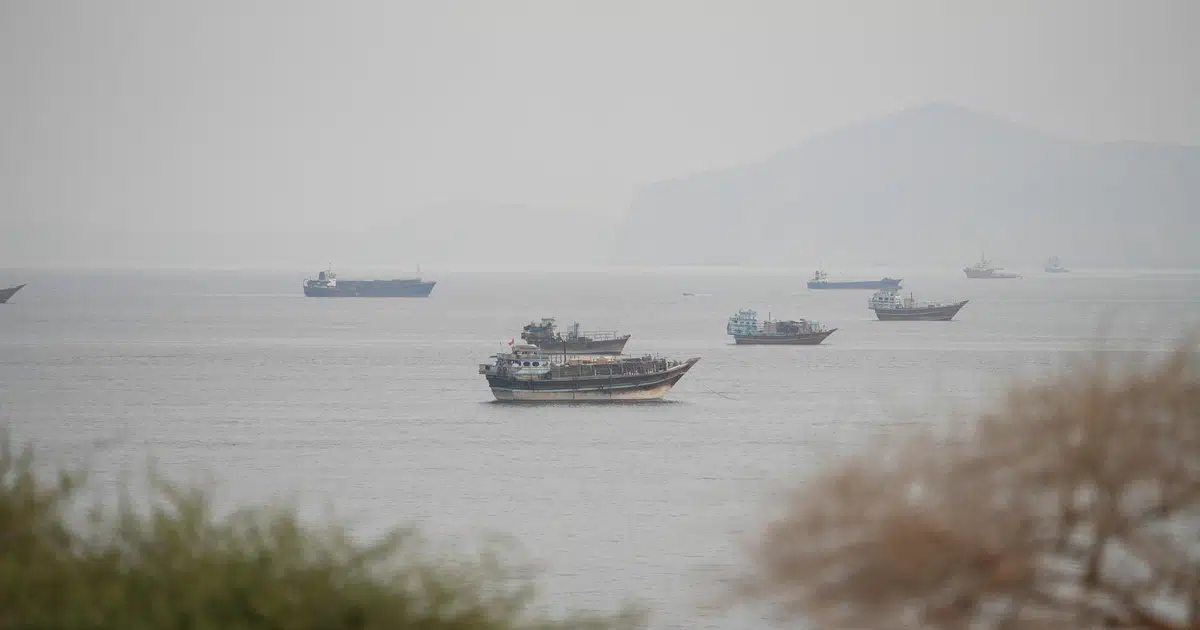
OIL prices were mixed on Friday (Nov 13), but set for their second weekly decline, as the US plans to continue its Iranian blockade, reducing the chance of renewed large-scale fighting that could disrupt Middle East supplies, though attacks on shipping remain a danger.
Brent futures were little changed, down US$0.01 at US$95.41 a barrel at 0242 GMT. West Texas Intermediate (WTI) declined by US$0.20, or 0.25 per cent, to US$88.52 a barrel.
Friday’s declines reversed two days of gains amid a volatile trading week with earlier hopes for a rapprochement of the US-Israel war against Iran, now in its ninth month, offset by strikes on Saudi Arabian infrastructure by Yemen’s Iran-backed Houthis and attacks on tankers transporting crude out of the Gulf.
Despite the swings in prices amid the inconclusive war, Brent is set for a 2.4 per cent drop this week, after plunging 16 per cent the previous week, while WTI is set for a 2.5 per cent decline, after dropping 13 per cent previously.
Prices slipped on Friday after US President Donald Trump said on Truth Social a deal with Iran was not necessary to end the war, indicating he will stick with the blockade on oil shipments and trade and economic sanctions.
The overall decline in prices over the past two weeks reflects a good assessment of the risks to the market, said Chris Brankin, global advisor for Melbourne-based brokerage MiTrade.
“I think the oil market is priced to perfection at this point,” he said, adding that prices have bounced back a bit but without much conviction on the part of traders, which shows they are following closely what is happening in the Middle East.
Despite the easing prices, risks remain for oil shipments out of the Strait of Hormuz, the key waterway for crude exports from the main Middle East producers.
On Thursday, Iran’s military said four oil tankers were hit by explosions in the Strait of Hormuz after ignoring warnings. Reuters could not immediately verify the Iranian accounts.
That same day, Yemen’s Iran-aligned Houthis said they had attacked a pumping station on the Saudi East-West oil pipeline; an oil facility in the Saudi Red Sea city of Yanbu; and an Aramco building in the capital Riyadh.
Also pressuring prices, US crude and fuel inventories rose last week, driven by softer refined products demand and a jump in oil imports, the Energy Information Administration (EIA) said on Thursday.
Crude inventories rose by 4.7 million barrels to 414.4 million barrels in the week ended Nov 6, the EIA said, compared with analysts’ expectations in a Reuters poll for a 1.1 million-barrel draw. REUTERS
Decoding Asia newsletter: your guide to navigating Asia in a new global order. Sign up here to get Decoding Asia newsletter. Delivered to your inbox. Free.
Higher rates, weaker spending: Is the Philippines entering stagflation?