Olympian Clara Hughes on menopause and psychedelic therapy: 'I had to go hard' - Toronto Star
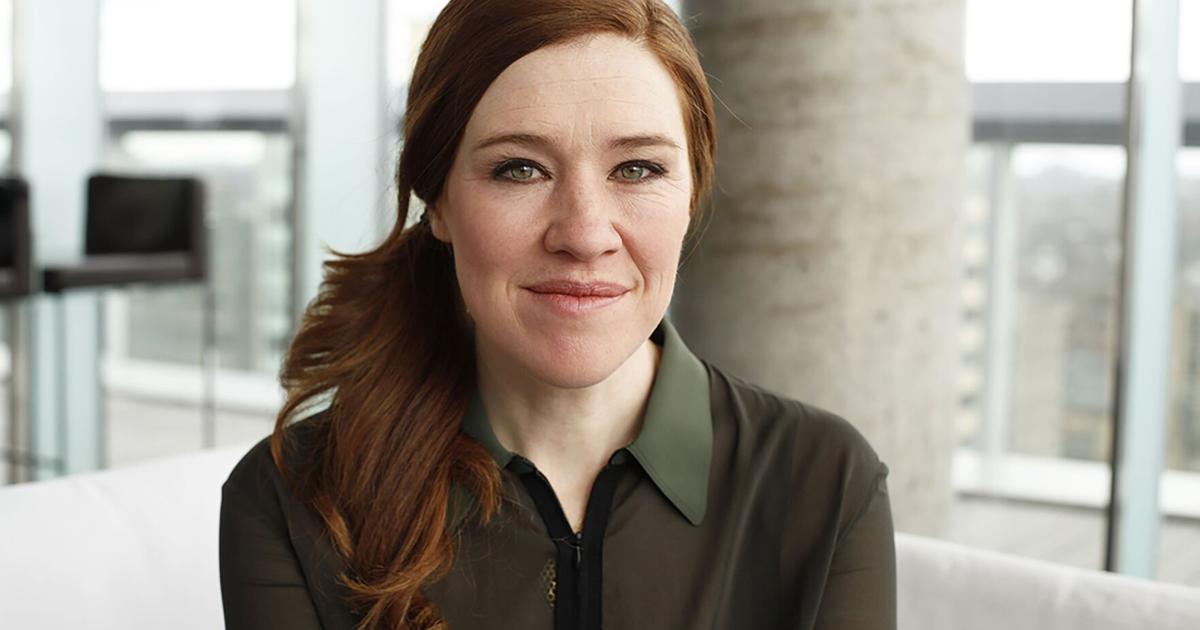
The six-time Olympic medallist pushed her body. But menopause broke through her defences, she writes in her memoir.
Olympian Clara Hughes’s new memoir, “Learning to Breathe,” chronicles her experience with menopause, psychedelic therapy and long-buried memories of abuse.
Clara Hughes spent two decades teaching her body to obey her — through pain, exhaustion and sheer force of will — on her way to becoming the only athlete in history to win multiple medals at both the Summer and Winter Olympics.
Then, in her late 40s, her body stopped listening.
Exhaustion. Insomnia. Sudden rages. Joint pain. Hot flashes. Trouble remembering names, trouble coping with the smallest stress. “I was losing my mind. I really felt like I was losing my grip on reality,” Hughes said in a video interview from her home north of Nanaimo on Vancouver Island. “What I was feeling inside was so intensely frightening and destabilizing, initially, I didn’t link it with menopause.”
It’s a transition every woman eventually faces. But after two doctors prescribed antidepressants to treat her symptoms — not the hormone therapy she needed — Hughes set off on a tumultuous path of alternative therapies with psychoactive compounds in search of relief.
Left to fend for herself, she turned to a medicine cabinet no doctor would prescribe: MDMA, ketamine, LSD, 5-MeO-DMT, 3-MMC, golden halo mushrooms and San Pedro cactus — none of them legal to buy or use in Canada. She had never even heard of some of them but, as she puts it: “I had to go hard — scary hard — in order to become gentler with myself.”
What started as a way to treat menopause took her to places she hadn’t expected. That journey is detailed in her new memoir, “Learning to Breathe,” out Oct. 13.
It’s a hair-raising ride through punishing hiking trips, knee surgery (she stayed awake for it), life-altering menopause, guided psychedelic experiences, and surfacing memories of abuse by her late father.
Learning to Breathe publishes Oct. 13.
“I’ve been very nervous about this book, very afraid of this book because it’s so exposing and I do feel very vulnerable in it,” she said.
But looking out her window at Douglas fir trees and the Salish Sea, Hughes is also quick to smile and laugh. She’s embracing who she is — not who she’s long thought she should be — for the first time in her life.
“I want to share those things. And I know there’s a risk — obviously the illegality of this. Everything I did was underground; it was not a clinical study. There are risks in how people come at you after sharing those things, and it’s worth the risk if this can touch one woman out there and help her come back to life.”
To be clear, Hughes is not suggesting readers should do what she did, quite the opposite: it’s a “path that I would not recommend for anyone.”
But the power of a good storyteller is to inspire others to think more deeply about their own lives.
“For me, connection has always been the goal, and I feel many people may relate to the new me: people who’ve been broken down and found ways to build themselves back up,” she writes in the book. “People who need to know they’re not alone. More than anything, I hope my story can help people connect back to themselves.”
The six-time Olympic medallist in cycling and speed skating turned 54 last week. She was 23 at her first Olympics in Atlanta in 1996, and weeks shy of her 40th birthday at her last, the 2012 London Games.
She moved on to public speaking and broadcasting, and was the founding spokesperson for the Bell Let’s Talk campaign, designed to break down stigma around mental health. In 2015, she published her first memoir, Open Heart, Open Mind, detailing her challenging childhood in Winnipeg, rise through sport and struggles with depression.
In 2017, she shelved much of her career and spent the next three years backpacking thousands of kilometres a year, trying to “walk away” from physical and emotional feelings she didn’t understand. “‘I can’t do this anymore’ was actually perimenopause, which I didn’t know about at the time,” she said.
“It’s a place that is confusing, is terrifying, is frustrating and is annoying, and so misunderstood and underserved,” she said about mid-life hormonal transitions.
That’s what prompted this second memoir.
“Feeling all these things and then trying to get help that wasn’t there, I had this deep sensation and realization that if I’m going through this in this way and this feels impossible — absolutely impossible — what are other women experiencing? It ended up going on some pretty extreme tangents that I didn’t expect at the time, but it was really about opening up the conversation and the experience of a woman in this season of life.”
Hughes did eventually get to see a women’s health specialist who prescribed menopause hormone therapy, which helped her and eliminated the hot flashes that had left her soaking and embarrassed in the middle of speaking engagements: “I can wear wool again! I can wear nice blazers when I do speeches.”
Just as an athlete only fully appreciates brutal training once standing on the podium, Hughes now appreciates the search for menopause relief that led her to psychoactive-assisted therapies. That exploration, she says, helped her dredge up memories and fears about her father, which she says she had locked in a vault, and, ultimately, let them go.
“I’m even beginning to feel grateful for menopause,” Hughes wrote. “Sure, it’s a physical and emotional s—-storm. But on the other side lies a meadow blooming with empathy. When our bodies slow down, we naturally turn inward. And we find a whole universe in there. Without menopause I wouldn’t have tried psychedelics, and without psychedelics I wouldn’t have spied the Vault. I guess I’m grateful that menopause f—-ed me up, because it also cracked me open.”
Kerry Gillespie is a Toronto-based health reporter for the Star. Reach her via email: kgillespie@thestar.ca.