Omani pilot may have shut off flydubai plane’s engines after Tel Aviv crash plan failed, says report - The Indian Express
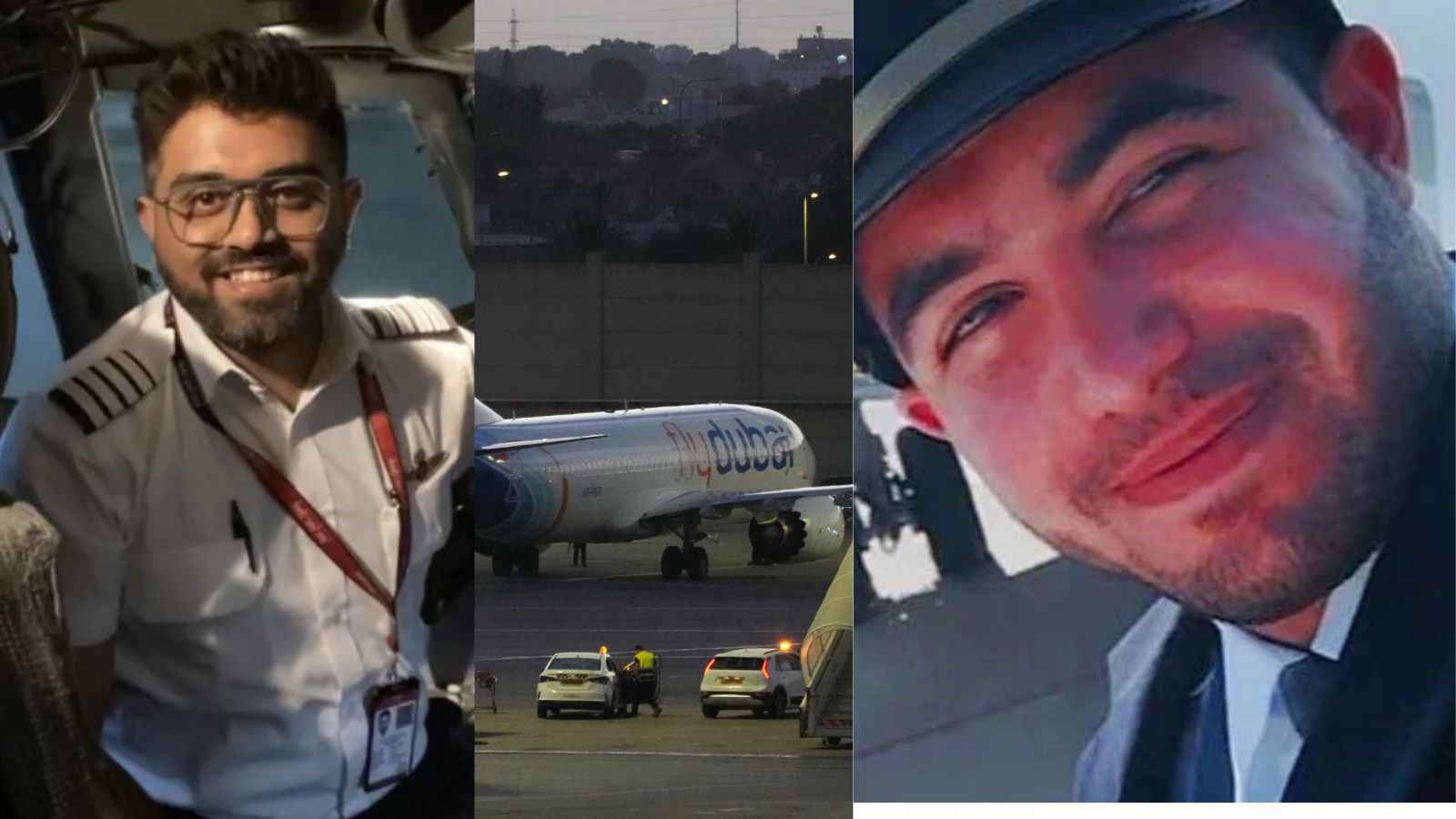
The Omani co-pilot accused of attacking his captain on a flydubai flight may have shut off the engines of the Boeing 737 after his main plan went wrong, according to the Italian newspaper Corriere della Sera. The paper says investigators are checking whether he moved the two engine fuel switches from “Run” to “Cutoff”.
The paper says the co-pilot, Hammam al-Hammami, first planned to kill Captain Smit Machchhar, an Indian national, fly the plane to Tel Aviv and crash it into a tall building, citing Israeli intelligence. When that failed, it says, he tried to crash the jet in the desert. The plane lost 16,000 feet in about 30 seconds before passengers and two off-duty pilots took control and landed it at Tabuk in Saudi Arabia.
The flight was carrying 174 passengers, most of them Israeli, NBC News said. Officials say the investigation is at an early stage. US officials and a former Israeli security official told NBC News that early signs point to a lone attacker, not a group or a government. Authorities have not released the suspect’s name. NBC News identified him from sources.
Corriere della Sera built its account from the flight crew’s reports to safety authorities, people familiar with the incident, airport staff, air traffic controllers and data from flight-tracking platforms.
It says al-Hammami pretended to pray in the cockpit, took out the crash axe, came up behind the captain and attacked him. Machchhar first thought a broken part of the aircraft had hit him. He understood he was under attack when the blows kept coming. His head was badly bruised and his arm was almost cut off. He tried to open the cockpit door, the co-pilot shut it, and he opened it again.
A woman whose daughter was in the toilet heard thudding from the cockpit. She told other passengers and two off-duty pilots on board. Several passengers ran into the cockpit and found the captain in a pool of blood.
The paper points to videos filmed during the struggle that show the cabin emergency lights on at high altitude. On a Boeing 737 these lights come on when the main electrical power is lost, which happens if the generators are off or both engines have shut down.
Corriere della Sera says al-Hammami saw his plan could not work and switched off the autopilot and pushed the control stick forward. In about 30 seconds the plane lost 16,000 feet. Its speed passed 970 kilometres an hour, which damaged the tail rudder. The paper says he also tried to damage the controls before passengers overpowered him.
Yaniv Hayoun, a plumber, pulled the control stick back and stopped the plane from dropping further. At one point the plane lost height again, probably because the engines were giving no thrust, the paper said. It says the two off-duty pilots then returned the plane to level flight, and the flight data fit with the engines being restarted.
These points come from one newspaper’s account. The findings of the official investigation have not been released.
Saudi air traffic controllers told the crew to turn back and then to make an emergency landing at Tabuk. The pilots landed the plane safely. Machchhar was taken to hospital, and the co-pilot was handed to Saudi authorities, Corriere della Sera said.
Machchhar spoke from a hospital in Abu Dhabi on Friday in a video call that was released by Prime Minister Narendra Modi. He said he could feel the plane going down before he got the cockpit door open so that passengers and crew could step in. He said he fought for his own life but knew he could not let everyone on board die, NBC News said.
Emirati authorities are leading the investigation. They said on Saturday that the co-pilot attacked the captain with a crash axe and tried to take over the controls in an attempted terrorist attack. The UAE Attorney General, Hamad Saif Al Shamsi, said investigators are working to establish the full circumstances, the motive and any links.
US officials briefed on the case told NBC News that early signs point to one man acting alone. Shalom Ben Hanan, a former official of Shin Bet, Israel’s domestic security agency, said it looks like a case inspired by content online. He said the final findings are needed to show whether a group or a state is behind it.
Israeli Prime Minister Benjamin Netanyahu said on Friday that investigators were checking whether someone sent the attacker. President Donald Trump raised the chance of Iranian involvement on Thursday and threatened new strikes if Iran was behind it. A senior US official told NBC News earlier that there were no signs Iran directed or took part in the attack.
Israel calls the incident a terror attack. It is now looking into how an Omani pilot was cleared to fly into Tel Aviv. Israel has no diplomatic relations with Oman, and the case goes against its security policy.
Mashkoora Khan is a journalist and sub-editor on the global desk at The Indian Express. She actively covers issues around Canada visa, immigration policy, global affairs, and international developments. A trained multimedia journalist, she focuses on producing clear, accurate, and reader-centric explainers on policy-driven subjects that directly affect cross-border mobility and global audiences. Experience Mashkoora has worked across digital newsrooms and independent media platforms, with bylines in national and international publications including Al Jazeera, Down to Earth, The Wire, and Maktoob. Her professional experience spans breaking news, policy explainers, live coverage, and multimedia reporting. At The Indian Express, she is part of the global desk, where she contributes to daily international coverage and plays a role in editing and producing stories on foreign policy, immigration systems, and regulatory changes — particularly those related to Canada’s study, work, and permanent residence pathways. Expertise Her core areas of reporting include: • Canada visa and immigration: Coverage of policy updates, eligibility changes, application processes, and government announcements, with an emphasis on factual explainers and verified information. • Global affairs: Reporting on international politics, diplomacy, and geopolitical developments. • Migration and human impact: Stories that examine how policy decisions affect individuals, families, and migrant communities. Her work prioritises accuracy, sourcing, and context, helping readers navigate complex systems without speculation or exaggeration. Authoritativeness and trustworthiness Mashkoora's reporting is grounded in official data, government releases, and on-record sources, in line with The Indian Express’ editorial standards. Her articles aim to distinguish clearly between verified information and developing updates, making her coverage a reliable reference point for readers seeking clarity on international and immigration-related issues. ... Read More