One year of Madlanga: Chair says Mkhwanazi’s claims gaining credence - IOL
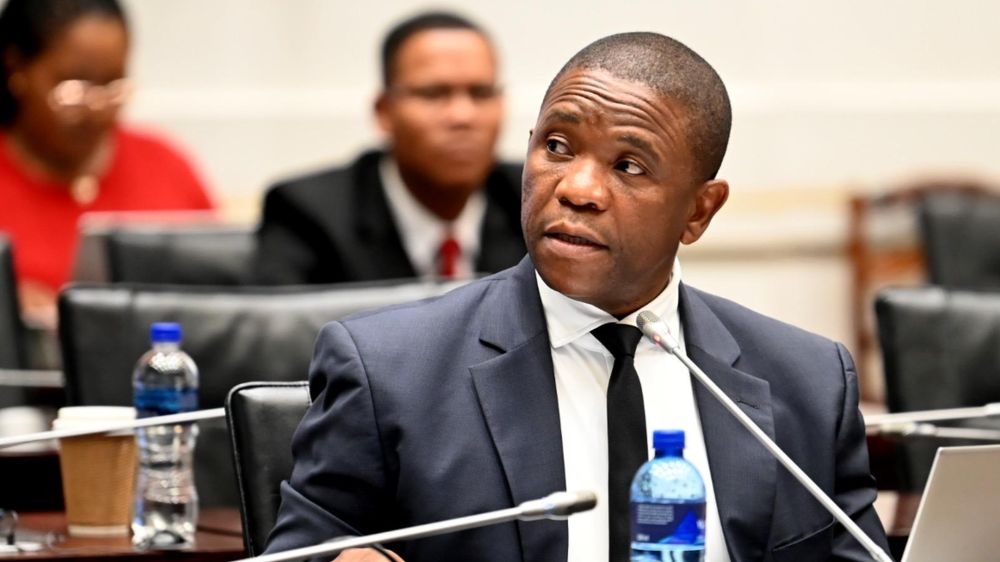
Lieutenant-General Nhlanhla Mkhwanazi’s allegations are increasingly being supported by evidence heard before the Madlanga Commission, according to chairperson Justice Mbuyiseli Madlanga.
Lieutenant-General Nhlanhla Mkhwanazi’s explosive allegations of criminal infiltration and interference in South Africa’s criminal justice system are increasingly being supported by evidence emerging before the Madlanga Commission, its chairperson Justice Mbuyiseli Madlanga said on Thursday.
Marking exactly one year since Mkhwanazi became the commission’s first witness, Madlanga said the inquiry had not yet reached its final conclusions, but evidence heard over the past year was showing troubling trends.
“Unfortunately, what is emerging from the evidence is that there are indications of serious criminality within the criminal justice system and that this is the result of the infiltration of, and undue influence on, the criminal justice system by elements of criminality,” Madlanga said.
“The fact that a number of players within the criminal justice system have been charged criminally, with some dismissed from their employment and others facing disciplinary charges, lends credence to these indications.”
The comments mark a significant development from the commission’s opening a year ago, when Mkhwanazi’s claims were allegations that still had to be tested through evidence. The commission has since heard 110 witnesses over 174 days of hearings.
Mkhwanazi took the stand on September 17, 2025, after his July 2025 media briefing triggered a national controversy and ultimately the establishment of the commission.
His evidence included allegations that criminal syndicates had infiltrated police, prosecutorial, intelligence and political structures, compromising the criminal justice system.
Madlanga recalled on Thursday that the allegations were so serious that, at the start of the hearings, he warned that if proven true they could “spell doom” for the country’s criminal justice system.
A year later, Madlanga posed the question at the heart of the inquiry: “Have his allegations been proven to have been false, or are they proving to be true?”
While stressing that the commission must still assess the full body of evidence and make definitive findings in its final report, Madlanga said the emerging picture could not be ignored.
Mkhwanazi’s allegations, he said, had painted a “grim picture” of criminal elements infiltrating and exerting undue influence over the justice system.
“Put bluntly, that would be a corrupt criminal justice system,” Madlanga said.
Madlanga said the evidence emerging before the inquiry suggested criminality may have been entrenched within the justice system for some time.
“What is painful, though, is that this apparent criminality suggests that for some time now, our criminal justice system has been populated by malleable, corrupt state functionaries,” he said.
“With such a criminal justice system, those criminals who exert undue, improper influence on state functionaries will rarely, if ever, answer for their criminal deeds.”
He questioned how many criminals may have escaped prosecution or punishment over the years because of such alleged interference.
The commission’s work has already resulted in referrals for criminal investigation, prosecution-related decisions and employment action.
President Cyril Ramaphosa accepted recommendations contained in its first interim report, while the second interim report later confirmed most of its earlier SAPS-related recommendations after implicated parties had been given an opportunity to testify.
Despite the emerging evidence, Madlanga made clear that the inquiry had not yet made its definitive findings on Mkhwanazi’s allegations.
The commission’s final report is due to be submitted on November 16, 2026.
Madlanga said the exposure of apparent criminality was nevertheless an important step towards confronting corruption and interference in the justice system.
“It is commendable that what appears to be criminality within the criminal justice system is coming out. This is commendable because, hopefully, that will help towards stemming the tide,” he said.
“With the revelations that are coming out, we trust that justice will be served.”
He said the commission ultimately hoped its work would result in mechanisms capable of significantly reducing the risk of similar criminal infiltration and interference recurring within South Africa’s criminal justice system.