
Opinion | Mark Carney promises to end homelessness. But what’s the plan? - Toronto Star
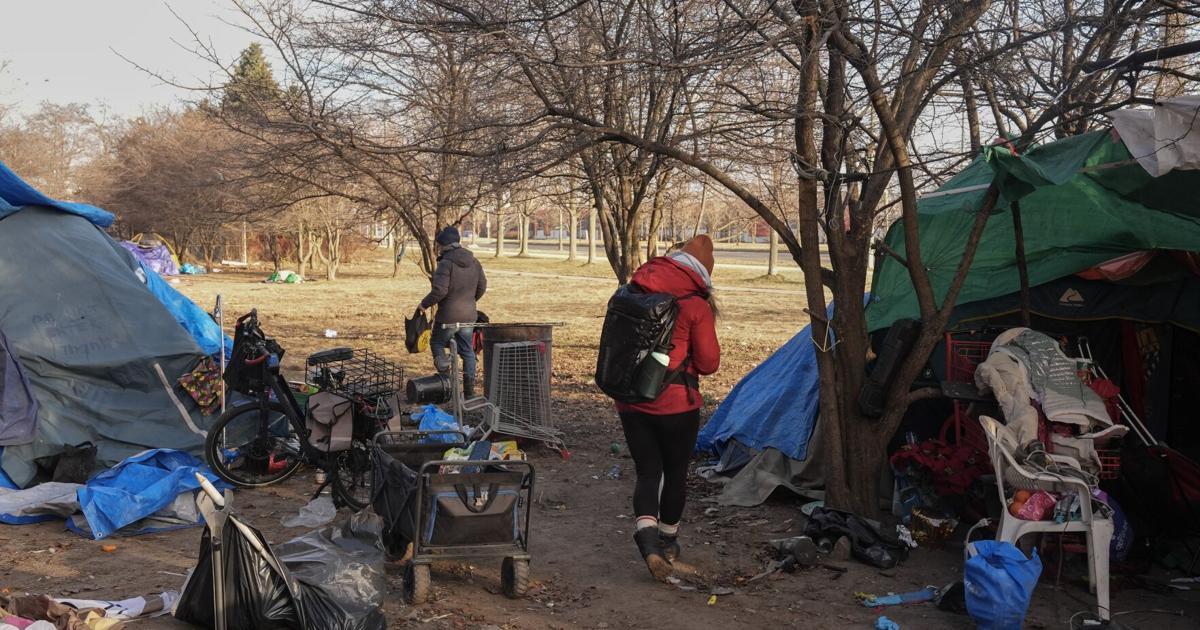
Carney might want to have everyone housed in ten years, but he must ask himself some serious questions first.
Prime minister Mark Carney has promised to end homelessness in Canada in ten years.
Leilani Farha is the Global Director of The Shift, 2026 CBC Massey Lecturer and author of Housing Inc.: A Global Takeover and Our Fight For Home. She is also the former UN Special Rapporteur on the Right to Adequate Housing (2014-2020).
Several winters ago, I met a group of men living in tents on federal land beside an Ottawa transit station. Each had been living independently in a rooming house until it burned down. The landlord used the insurance money to build something higher-end. Some of the men were working; others were looking. None could afford a market-rate apartment nearby. Wanting to stay close to the services they relied on, they pitched tents. The National Capital Commission and the City eventually evicted them to motel rooms 10 km away.
On Nov. 5, Ottawa did something I have waited years to see: it put ending homelessness in a budget, with $11.2 billion over four years and $17.8 billion more in later years.
Am I glad politicians are finally treating homelessness as urgent? Damn right I am. There are real wins, like $2 billion for community mental health and addictions care.
But what’s missing concerns me. The budget commits federal money to “helping create the conditions” to end homelessness and never mentions what the law already requires. Under the 2019 National Housing Strategy Act, housing is a human right that federal housing policy must further.
Homelessness is a prima facie violation of that right. Ending it is an obligation, not an aspiration and it requires specific standards be met. Five questions test whether this plan measures up.
Will it end homelessness for everyone? No. The government’s figure of 65,000 comes from point-in-time counts that miss hidden homelessness: people in cars, or doubled and tripled up with family and friends. Statistics Canada found that four times as many households have experienced hidden homelessness as have experienced shelter or street homelessness. Many are women, who fear violence on the streets or losing their kids if they use shelters. A plan built around the most visible homeless, people with mental health and addiction issues, risk leaving women, children, youth, refugees and families behind.
The budget’s $30-billion commitment is being praised but experts and advocates say Ottawa will have to think creatively.

