Opinion | Mark Carney’s airport privatization plan is the wrong plan at the wrong time - Toronto Star

Privately-run airports will likely lead to higher fees.
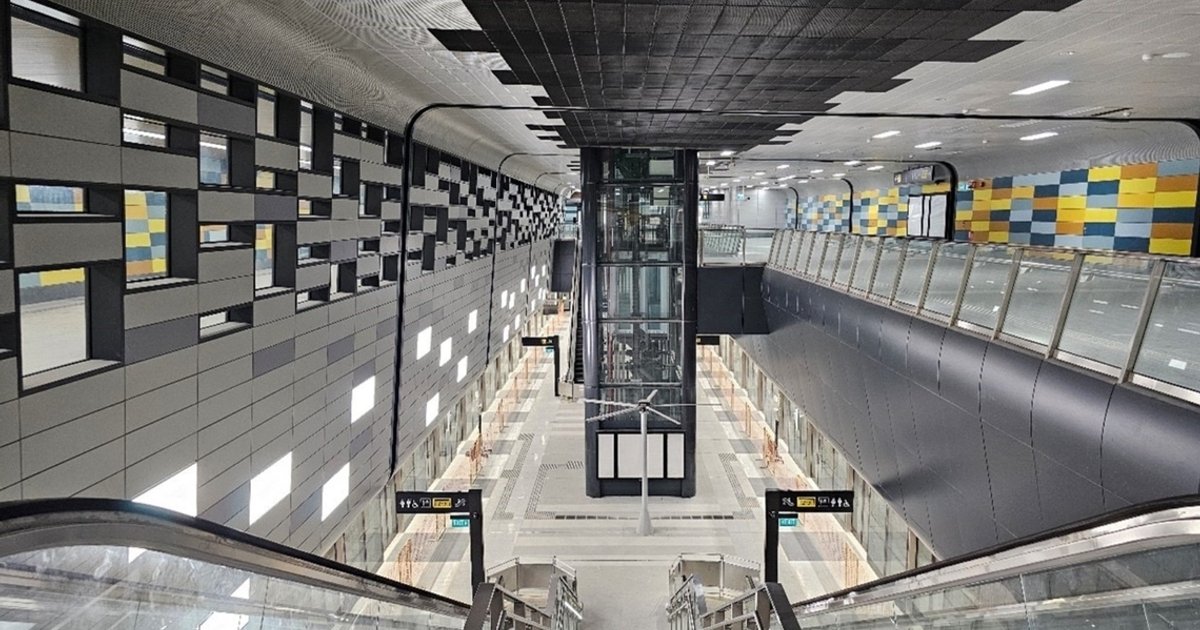
Vancouver International Airport, in Richmond, B.C., is among those set to be privately run.
Jon Shell is an entrepreneur, Executive Producer of the Gloves Off Podcast and Chair of Social Capital Partners.
Mark Carney’s plan to monetize Canada’s four biggest airports — Toronto, Montreal, Vancouver and Calgary — seems to be on a fast track, with recent reports that Vancouver is first on the list.
The government’s argument in favour of the sale has boiled down to empty-calorie finance terms like “asset optimization” and “unlocking value.”
I have learned the hard way that when you hear terms like that, you’d better do the math. Given the risks of getting an airport deal wrong and the unpopularity of the idea, the math better be very compelling. The problem for the government is that it isn’t.
Canada’s airports have been run by non-profit corporations since the 1990s. They pay the federal government a percentage of revenues, often referred to as “ground rent.” Capital investments in the airports — over $30B since 1992 — have been paid for by passenger fees and profits. Ground rent from the four biggest airports was about $477M in 2025 and has been growing at about 6 per cent a year for the last decade.
“Unlocking value” usually means selling cash flow that’s worth more to someone else than it is to you. In this case, the cash flow is the $477M in ground rent currently paid to the government, and any additional revenue a private sector operator could get from running the airports in a different way.
The ground rent is quite easy to value. The government could use the cash flow to borrow money, in the same way that salary is used to get a mortgage on a house. Assuming continued 6 per cent growth, it could raise about $18 billion at current government interest rates and repay the whole thing in 30 years. A more conservative assumption of 4 per cent growth nets $14 billion.
Unfortunately, that cash flow isn’t worth more to potential investors — it’s worth less. The government’s cost of capital is lower than everyone else’s, so when investors value the ground rent, it will come to a lower number. That means, to get to the “tens of billions” Mark Carney has promised from airport monetization, it will come down to the rest of the deal. That is where the real risks lie.
Australia is the standard example of deals like this gone wrong, as the sale of leases to run their major airports led to significantly higher prices for passengers. Airports are local monopolies, which gives them the power to jack up prices on things like coffee and parking because people have no other choice.
The Prime Minister has been clear that the government knows there have been bad airport deals done in other countries and will “apply those lessons” to its airport negotiations.
But the government is going to be massively outgunned by Canadian pension funds, who will almost certainly be leading these investments. They have a limitless budget for Bay Street’s top lawyers and have argued that their fiduciary responsibility is to their members, not the country.
While Mr. Carney has advocated for “bringing home” the pension funds’ extensive international investment experience in airports, that experience gives them a huge advantage in securing a good deal for themselves. In a commercial negotiation between the government and the pension funds, it’s not entirely clear why anyone should expect taxpayers to come out ahead.
Getting to a deal is not just risky, but costly. Government resources will need to be used both for negotiation and for new legislation allowing for private sector operation. It will also require political capital. A deal that nets tens of billions of dollars will mean concessions to investors that will have to be sold to a public that is already opposed to airport privatization. While no one questions the work ethic of Mark Carney and his team, their capacity is not limitless and the opportunity cost is real.
It’s not even clear private sector management will improve airport operations. Studies comparing public and private airport operations have had mixed results, and of the top 10 airports in the world for customer experience, according to Skytrax, only two are run by for-profit operators. In fact, Vancouver ranks 10th — highest of any airport in North America — operating under the current Canadian model.
Adding all this up, it’s really hard to make the privatization math make sense. A recent University of Calgary report estimated the value of the airport concessions at $18 billion to $29 billion. The government could “unlock” most of that amount just by borrowing against current airport cash flow, expending almost no resources and taking on no risk. The money could be available almost immediately, and applied to shovel-ready projects before negotiations with the pension funds really get underway. The government could call that “asset and resource optimization” and no one would argue.
Canada is in the midst of negotiating a landmark new relationship with the EU, a trade war with the United States, the biggest military procurement program since the Second World War and a host of nation-building infrastructure projects. With so much on its plate and attractive alternatives available, the question for the government on airport privatization must certainly be this: why are we doing this again?
Error! Sorry, there was an error processing your request.
There was a problem with the recaptcha. Please try again.
You may unsubscribe at any time. By signing up, you agree to our terms of use and privacy policy. This site is protected by reCAPTCHA and the Google privacy policy and terms of service apply.
Jon Shell is an entrepreneur, Executive Producer of the Gloves Off Podcast and Chair of Social Capital Partners.
Opinion articles are based on the author’s interpretations and judgments of facts, data and events. More details