
Painful as Ingrown Toenails: What Causes Ingrown Fingernails and How to Assess Infection Risk - Thairath English
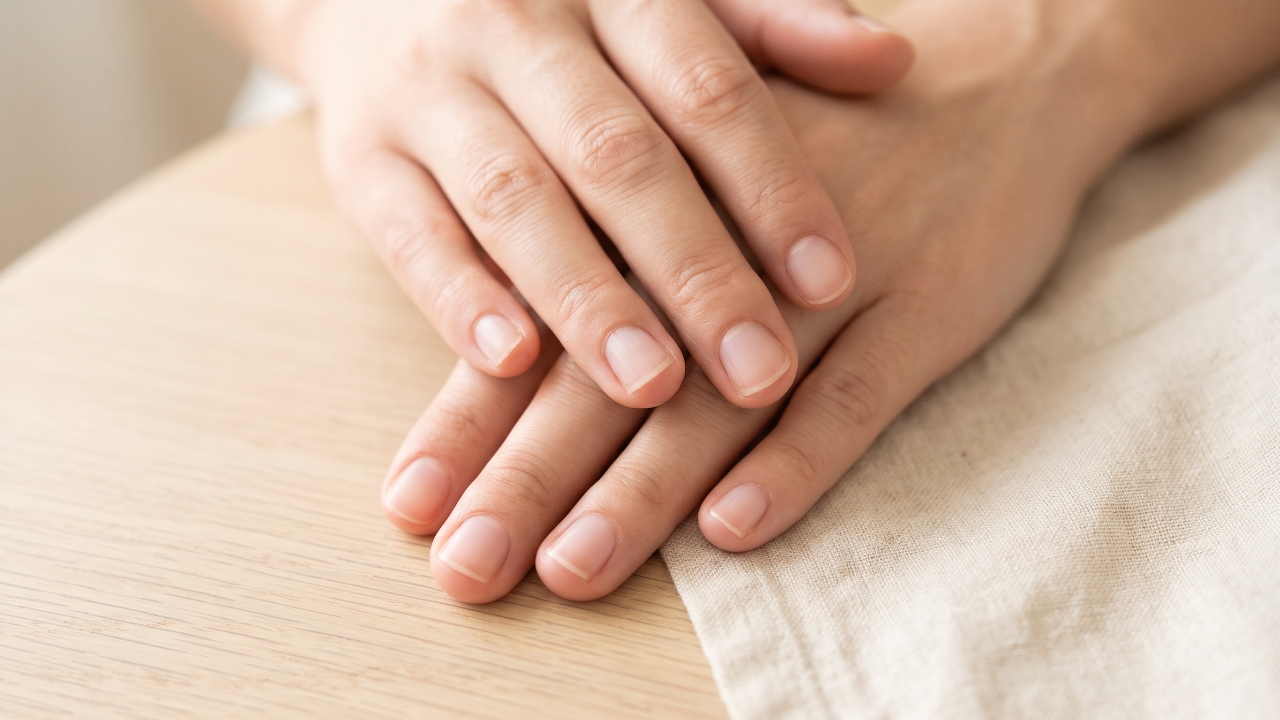
Many people think Ingrown nails only happen on toes, but fingernails can also become ingrown and be just as painful. Here’s how to manage and safely treat them for full recovery.
Have you ever suddenly felt sharp pain at the side of a fingernail without realizing why? Upon closer inspection, you might find the nail edge digging into the skin, causing redness and swelling. Although ingrown fingernails are less common than on toes, they can seriously impact daily life since hands are constantly used for gripping, touching objects, and typing.
The intense aching pain can make many people worry enough to "remove the nail" but in reality, if you understand the causes and respond properly, this problem can be treated and healed without unnecessary pain.
Ingrown nails develop when the side nail plate grows or is pressed so it pierces the surrounding skin, causing irritation and inflammation. Common everyday causes include:
If symptoms are in early stages with pain but no pus, you can manage at home to reduce inflammation and prevent the nail from growing deeper into the skin.
Do not use scissors to dig, pry, or cut the ingrown nail yourself. Trying to pull out the embedded part often causes tissue tears and worsens damage. Unclean tools can introduce bacteria directly under the skin. Also, never squeeze or lance pus yourself, as this can spread infection deeper into finger joints.
If swelling and redness spread across the entire finger joint, pus leaks, pain disrupts sleep, or low-grade fever develops, seek a dermatologist or surgeon promptly. Modern treatment usually involves trimming only the ingrown portion of the nail and antibiotics, not full nail removal as many fear.
Special precautions Diabetics or immunocompromised individuals should seek medical attention at the first sign of ingrown nail because their nerve sensation and blood flow issues may cause rapid worsening and severe infection.
Though ingrown fingernails may seem minor, neglecting them can lead to chronic inflammation that seriously disrupts daily activities. Regularly check for abnormalities, cut nails properly, avoid picking or pulling habits, and maintain hand hygiene to keep your fingers healthy, attractive, and free from painful irritation.


