Pakistan govt, PTI reopen talks ahead of Islamabad long march

Pakistan's federal government and leaders of the Pakistan Tehreek-e-Insaf (PTI) of jailed former prime minister Imran Khan agreed on Friday to meet again on Saturday, as both sides opened talks ahead of the opposition party's planned long march to Islamabad.
The first round of talks was held in the chamber of National Assembly Speaker Sardar Ayaz Sadiq, who is facilitating the dialogue. The development comes a week after the PTI said its long march to Islamabad would begin on October 4, after being postponed by a week.
According to a statement issued by the National Assembly Secretariat, the participants held detailed discussions "on the prevailing political situation and exchanged views on various matters of national importance". It said, "The government, PPP and opposition representatives apprised each other of their respective positions and held a detailed exchange of views constructively and cordially. The participants emphasised the need to resolve national issues through dialogue and negotiations." The statement added that the second round of talks would be held on Saturday at 2 pm in the NA Speaker's chamber, and said Speaker Ayaz Sadiq had played a key role in facilitating dialogue among the government, the Pakistan Peoples Party (PPP) and the opposition.
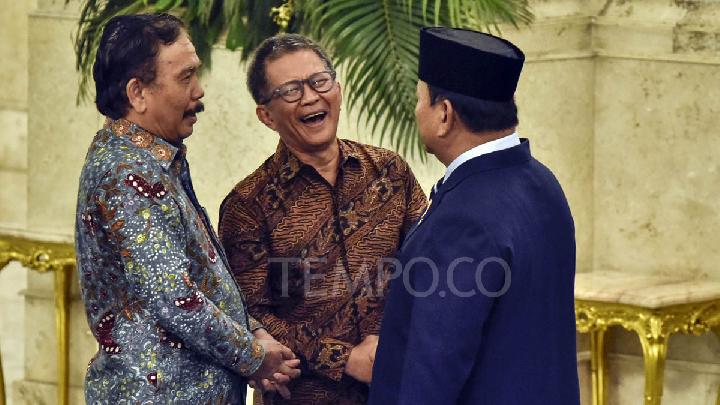
Welcoming the delegations, Sadiq said, "I am only playing the role of a mediator." He said his office was "always open" to resolving issues through negotiations and that he had consistently invited the opposition to engage in dialogue. He said negotiations were the only way to resolve differences and issues, adding that positions and offices were temporary. "Parliament is the only forum where solutions to issues can be found," he said.
A six-member government delegation led by Prime Minister's Adviser on Political Affairs Rana Sanaullah took part in the talks. The delegation included Interior Minister Mohsin Naqvi and Kashmir Affairs Minister Amir Muqam, while the PPP was represented by Syed Naveed Qamar, Sherry Rehman and Aijaz Jakhrani. The PTI delegation included party Chairman Barrister Gohar Ali Khan, Leader of the Opposition in the Senate Allama Raja Nasir Abbas, General Secretary Salman Akram Raja, former National Assembly Speaker Asad Qaiser and lawmaker Aamir Dogar. Before the meeting, Sanaullah told the media that protests do not resolve issues and that the solution to all problems lies in negotiation. He also said the courts, not the government, would decide matters related to the cases against Khan. Separately, Gohar said he hoped the negotiations between the government and the opposition would succeed.
Earlier, PTI international spokesman Zulfiqar Bukhari said "the government has mandated a team to initiate talks with PTI" and that the engagement was "primarily aimed at defusing the current political situation surrounding PTI's planned march/protest toward Islamabad on October 4". He said the party's demands included an "immediate" meeting with Khan and a decision to take him to a hospital where his personal doctors can examine him. The PTI also sought the release of Khan's sisters and others arrested ahead of the protest, a proper medical check-up of his wife Bushra Bibi, and proper hearings in their cases without interference. Government sources had earlier said the planned long march would be the main issue in the negotiations, though the party's other demands would also be discussed.
Bukhari said the long march would begin from Gandi Chowk in Lakki Marwat, with its first stop in Karak and the second in Kohat on October 5, before entering Peshawar district. "The Long March will set off from Gandi Chowk in Lakki Marwat. The first stop will be in Karak, and the second stop on 5 October will be in Kohat. After that, the Long March will enter District Peshawar," he said. As the two sides prepared for a second round of talks on Saturday, the government stepped up security arrangements by placing shipping containers on roads leading to Islamabad and mobilising additional police personnel, with the blockades disrupting freight movement.