
Pakistan, sports and handshakes: Cricketers need to understand they aren’t ‘more patriotic’
Picture the Asian Games. An Indian kabaddi player shakes hands with a Pakistani opponent. A squash player does the same. Hockey players high-five each other before the anthems. Boxers touch gloves. Then, the cricket match ends, and Indian players turn around and walk away. What, exactly, would that imply? Not merely that cricket has adopted a different protocol. The visual, and the message, would imply something far more uncomfortable — the rest of you can shake hands; we are more patriotic.
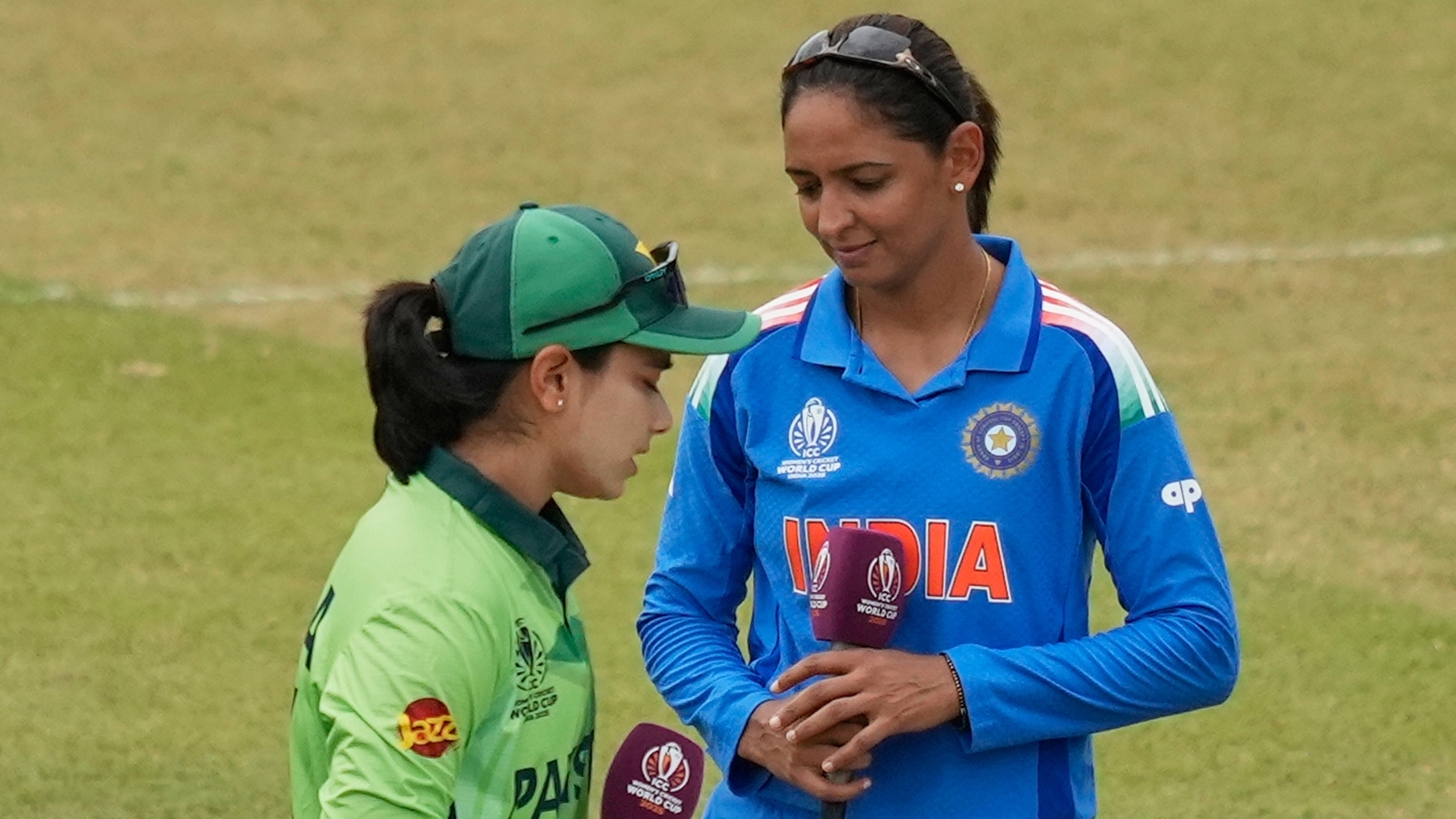
This possibility was raised after India refused to accept the trophy from Asian Cricket Council President Mohsin Naqvi, after winning the Women’s Asia Cup on Sunday. Earlier in the tournament, Harmanpreet Kaur’s team had continued Indian cricket’s no-handshake policy against Pakistan.
The “policy” began with Suryakumar Yadav-led India at last year’s men’s Asia Cup, in the aftermath of the Pahalgam terror attack and the dramatic deterioration in ties between the two countries. India played Pakistan because it was a multinational tournament, but Suryakumar’s side refused the customary handshakes. After beating Pakistan in the final, they also refused to accept the trophy from Naqvi. The women’s team has now followed that template.
India has a Pakistan policy in sports. Why should cricket be distinct? The government decides the broad parameters of engagement. India does not play bilateral cricket against Pakistan, but participates in multinational events in which Pakistan is also competing. That is why India played the Asia Cup. That is why Indian and Pakistani athletes will compete against each other at the Asian Games, starting Saturday.
But cricket has now created another distinction. You can play Pakistan. You can compete against them for a continental title.But shaking hands? That, apparently, is where patriotism begins. And now comes another line: Accepting a trophy from a Pakistani official who also happens to hold a continental sporting office.
Naqvi is, unquestionably, a complicated figure. Besides being an ACC administrator, he is also Pakistan’s interior minister and chairman of the Pakistan Cricket Board. That is why the decision to avoid him has a political dimension beyond an ordinary presentation ceremony.
What happens at the Asian Games, though? What if a Pakistani sports administrator holding a continental position is asked to present medals? Suppose Naqvi himself, in his capacity as ACC president, is involved in a medal ceremony connected to cricket. Would an Indian cricketer refuse the medal?
Indian athletes at multi-sport events compete against Pakistanis. They shake hands. They share arenas and podiums. They follow the protocols of international sport. And nobody suggests they are less patriotic for doing so. So what makes cricket different? Nothing — except that the cricket board is richer and the game is more politically charged. But those are precisely the reasons it should be more careful about the messages it sends.
The BCCI says their decision is to respect the “prevailing sentiments in the country” to align with the government. Nowhere has the government stated, at least publicly, that cricketers — or any athletes — should not to shake hands with Pakistanis or not to receive trophies from Pakistani officials.
The BCCI has spent decades guarding its autonomy. When questions of regulation, transparency and public accountability arise, Indian cricket is quick to emphasise that it is different from other sports. But once Pakistan enters the frame, autonomy gives way to nationalism. It cannot work both ways. Nor can cricket establish a hierarchy of patriotism among Indian athletes.
Hockey players of both nations were seen giving high-fives to each other when they met at the FIH World Cup in Amstelveen in August. If an Indian hockey player can greet a Pakistani counterpart without compromising on patriotism, why can’t an Indian cricketer?
The BCCI is entitled to argue that the India-Pakistan relationship demands caution. What it cannot do convincingly is play Pakistan when the tournament demands it, draw a line at a handshake or a trophy ceremony, and then allow those gestures to suggest a higher form of national commitment.
One day, at an Asian Games or another multi-sport event, the larger picture may become impossible to ignore. Indian athletes will shake hands with Pakistanis. Some will share a podium. Some may receive medals from officials they would not otherwise choose to meet. If the cricketers alone turn away, it won’t make them look more patriotic.
The writer is deputy associate editor, The Indian Express. mihir.vasavda@expressindia.com
Over the course of a 18-year-long career, Mihir Vasavda has covered 2010 FIFA World Cup; the London ... Read More
