Panel upbeat after Democrat gains in US midterms - Bangkok Post
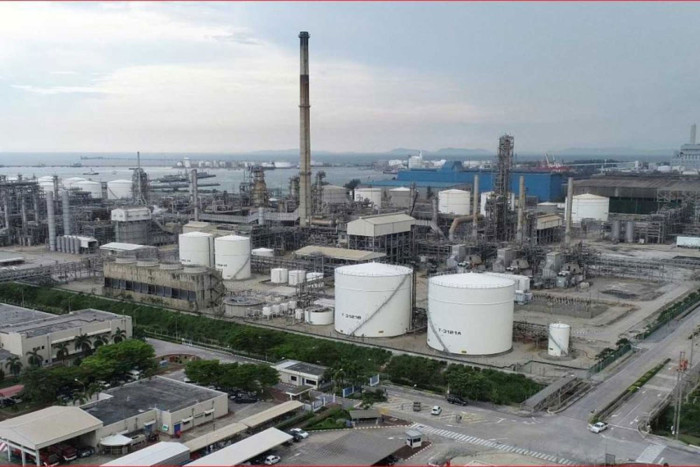
Oil refinery facilities in Rayong operated by IRPC, one of Thailand's six oil refineries. The Joint Standing Committee on Commerce, Industry and Banking (JSCCIB) expects geopolitical tensions and volatility in global energy markets caused by the Middle East conflict to ease following the Democrats' victory in the US midterm elections.
The party secured a majority in both the Senate and House of Representatives.
The JSCCIB believes the new balance of power in Congress is unlikely to support every policy proposed by US President Donald Trump, exposing several issues, particularly those related to the conflict in Iran, to closer scrutiny.
"This should result in the situation in Iran improving," said Poj Aramwattananont, chairman of the Thai Chamber of Commerce, after chairing the JSCCIB meeting on Wednesday.
While he was optimistic easing tensions could help stabilise energy prices and reduce supply chain disruptions linked to the Middle East conflict, Mr Poj declined to comment on the direction of US foreign policy.
"This is a highly sensitive issue for Thailand," he said.
According to media reports, although Trump retains primary authority over foreign policy, a Democrat-controlled Congress can influence decisions through oversight, investigations, legislation and budget approvals.
Lawmakers can also review military actions and seek to restrict or place conditions on funding for military operations.
Meanwhile, the JSCCIB upgraded its 2026 export growth forecast to 18-22%, rising from 12-16%, while trimming its inflation projection to 2.1-2.5% from 2.5-3.0%.
Thai economic growth is expected to tally 2.4-2.6% this year, up from an earlier forecast of 2.1-2.5%, noted the panel.
Despite the improved outlook, the committee remains concerned about Thailand's uneven recovery.
Phacharaphot Nuntramas, an economist at the JSCCIB and Krungthai Bank, said different sectors are recovering at sharply variable rates.
He said the gap is reflected in the government's revised Manufacturing Production Index (MPI), with digital technology-oriented industries benefiting from global trends in artificial intelligence and data centres, while businesses reliant on domestic consumption continue to face weak purchasing power.
Pimjai Leeissaranukul, chairwoman of the Federation of Thai Industries, said the revised MPI methodology was introduced to better reflect how Thailand's manufacturing sector is adapting to global digital trends that are shaping the economy.