
Patients receive incomplete chronic medicine supplies at several KZN hospitals - IOL
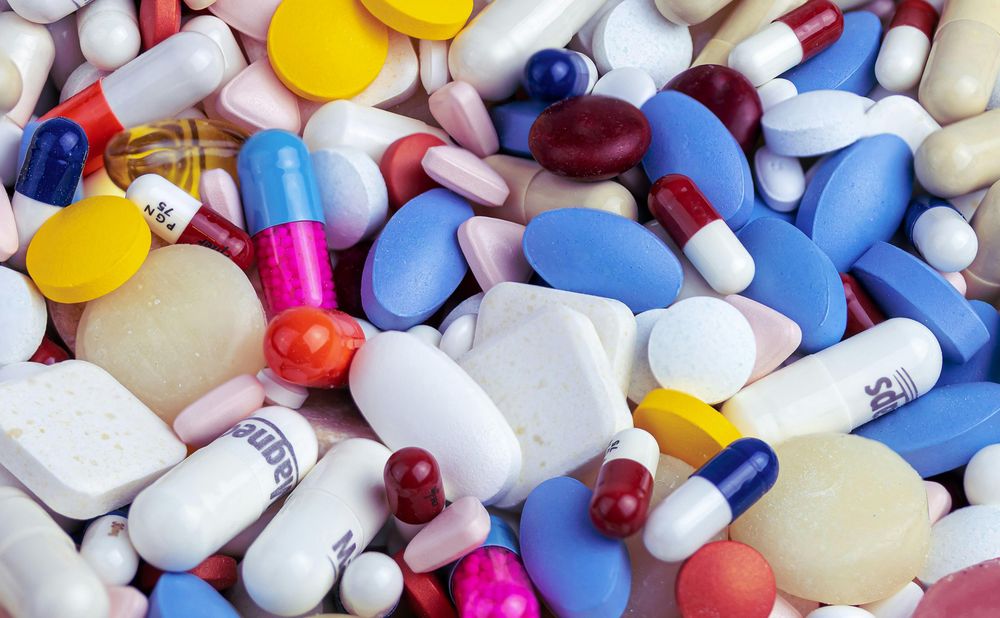
Unavailability of medication at public medical facilities plunges patients into medical crisis.
DISRUPTIONS in international trade, geopolitical conflicts, and global economic pressures are some of the challenges cited by the KwaZulu-Natal Department of Health regarding the unavailability of certain medicines at public healthcare facilities.
But to patients awaiting their monthly supply, the explanation means little to them.
The shortages of raw materials and active pharmaceutical ingredients used to manufacture medicines were also mentioned as reasons for the unavailability.
In a statement posted on the KwaZulu-Natal Department of Health Facebook Page on Saturday, Penny Msimango, the head of department, said the unavailability was part of a broader national and international supply challenge, and not unique to the province.
No mention was made of which medicines the department was referring to, but, according to a statement by the Democratic Alliance (DA), it included medicines to treat high blood pressure, high cholesterol, diabetes and schizophrenia.
Inspections at clinics and hospitals to identify shortages and monitor available supplies.
Moving available medicines between facilities to respond to areas experiencing higher demand.
Sourcing medicines outside existing contractual arrangements where appointed suppliers could not meet the demand.
Providing clinically appropriate alternative medicines where prescribed medication was unavailable.
Issuing shorter supplies in some cases, such as two weeks instead of a month.
Msimango assured patients that they were not “folding our arms in the face of these challenges”.
“We are putting measures in place to manage shortages, source medicines where necessary and ensure that patients continue receiving treatment. Our intention is to cover everyone, and we are confident the current situation will soon improve.”
A 67-year-old woman, who resides in an old age home on South Beach in Durban, claimed her woes began in July when she went to Addington Hospital for her six-month checkup.
"The doctor already had a prescription ready for me, but she said there was no medication at the pharmacy and that I must buy it from the chemist at my expense," said the old age grant recipient, who declined to be named.
She takes two different medications for high blood pressure, for cholesterol, and sinus.
"By the time I pay my rent, I only have R900 left. There was no way I could afford to buy my medication. Is that not the reason we go to the public hospital, because we don't have the finances to go the private medical route?" she asked.
In desperation, she took medication with a lower dosage that she had been dispensed previously.
“The tablet is to remove water from my body. It was not as effective as the new pills, but I had to take it. A friend, who takes the same sinus tablet, shared her medication with me, and my daughter bought whatever else was required.”
Struggling with her health, she said she returned to Addington Hospital a month later.
"This time they gave me only two of my usual four medications. It was still a problem, but at least it helped me get back on track."
A 52-year-old woman from Phoenix, who also declined to be named, said she experienced the same issue with her pressure medication at the Mahatma Gandhi Memorial Hospital.
"Since July, I have been receiving short medication every month. Sometimes they give me half a box of medication and tell me I must return in a few weeks," she said.
"At least they give you a small note so you don't have to follow the usual queue. You get priority.
"I went twice in the month, and they still did not have any medication. When I went for my appointment the next month, they still did not have medication. It is hard because my feet hurt to a point where I can't work," said the unemployed woman who lived alone.
A Reservoir Hills grandmother said for the past few months there had been a shortage of blood pressure medication, Losartan or atenolol, at the King Dinuzulu Hospital Complex (formerly King George V hospital).
She said she also did not get cholesterol medication and aspirin and had to buy them privately.
"I had no script and begged my local pharmacy to help me, which they did."
The woman said her blood pressure was not inconsistent, which the doctor was concerned about.
The DA has subsequently called for an urgent parliamentary investigation into shortages of what they claimed were up to 50 critical medicines in South Africa’s public healthcare system.
According to DA member of Parliament, Michele Clarke, the DA wants Parliament’s Health Committee to examine the extent of the shortages, what is causing them and whether enough safeguards are in place for patients who rely on public hospitals and clinics for chronic and other essential medication.
Amlodipine, used to treat high blood pressure and prevent angina.
Rosuvastatin, used to treat high cholesterol and reduce the risk of heart attacks and strokes.
Metformin, used to manage type 2 diabetes.
Olanzapine, used to treat schizophrenia and bipolar disorder, particularly episodes of mania.
Pregabalin, used to treat nerve pain, seizures and anxiety disorders.
Mebendazole, used to treat intestinal worm infections.
On Monday, the DA MPL, Dr Imran Keeka, spokesperson on health, said in a statement that there were reports of shortages of insulin, eye drops and other chronic medication.
“When patients cannot obtain prescribed medicines, doses are missed, pain becomes worse, conditions deteriorate and preventable suffering follows,” said Keeka.
He said during an oversight at Addington Hospital officials highlighted shortages, from paracetamol and ibuprofen to chemotherapy drugs.
“Facilities have been instructed to record patients affected by stockouts and contact them when supplies arrive, but there is no telling when this will be.”
Meanwhile, the South African Society of Psychiatrists said it received reports from practitioners about the shortage of essential medications for the treatment of mental disorders in the public health sector.
Psychiatrist Dr Mvuyiso Talatala, the researcher at the society, and a lecturer at WITS University, said almost all mental disorders were affected by the drug shortages.
"But of particular concern is that there are several drug stock-outs for the treatment of severe mental illness such as schizophrenia, bipolar disorder and major depressive disorder.
“Some psychiatrists report that the management in some hospitals prohibits their psychiatrists from issuing private prescriptions for families who want to consider purchasing some drugs from private pharmacists when there are psychotropic drug stockouts.
"While psychiatrists could consider alternative drugs for the treatment of mental disorders, these medications are very limited and are soon to run out too. In some cases, even if such an alternative is considered, patients may still relapse as they are only responsive to their usual medication.”
