Pennsylvania Governor Blasts RFK Jr. After Two More Measles-Related Deaths - Newsweek
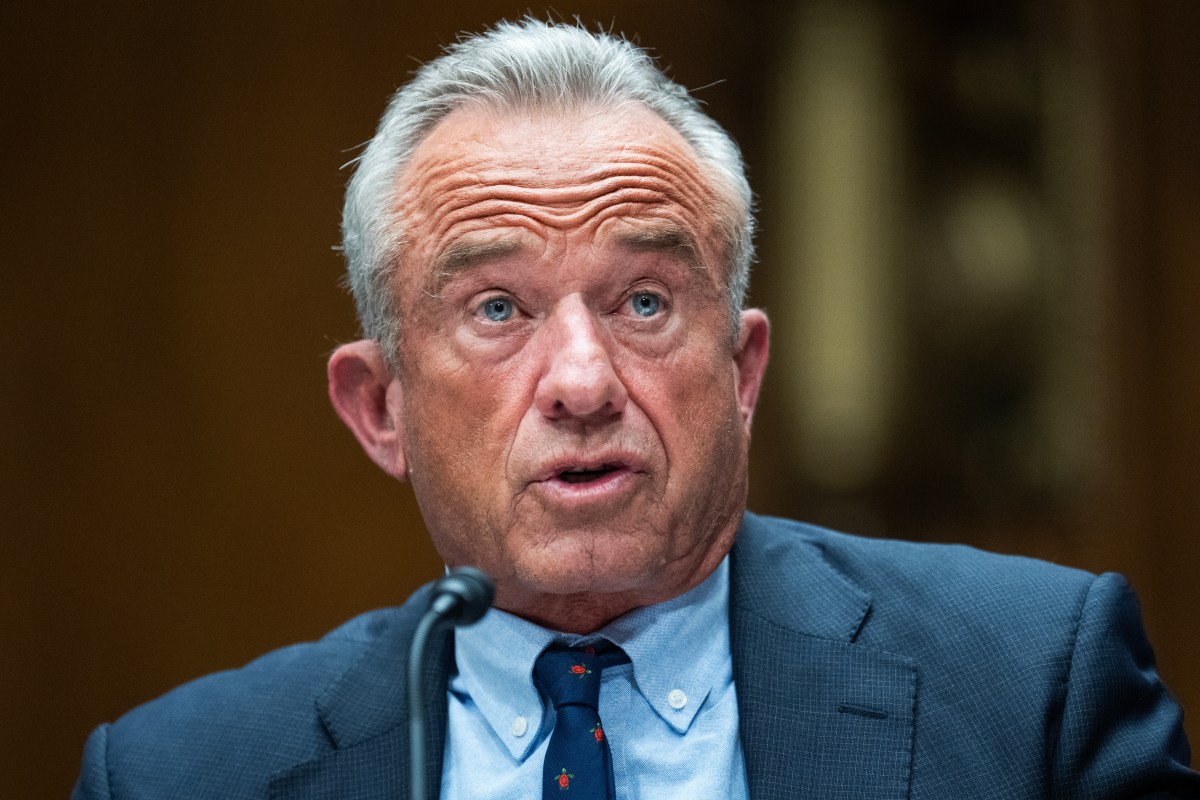
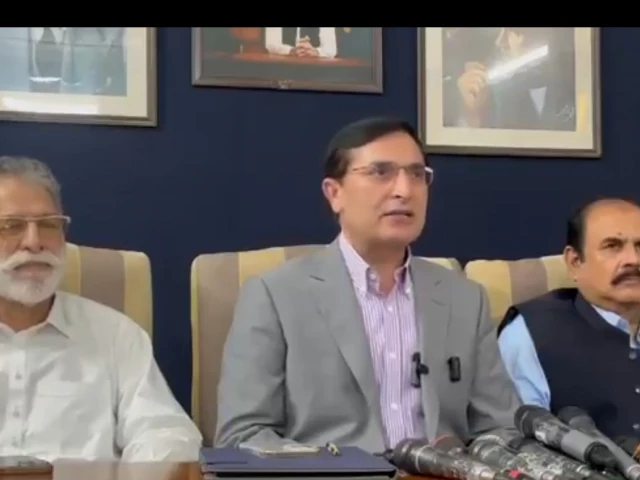
Democratic Pennsylvania Governor Josh Shapiro took aim at Secretary of Health and Human Services (HHS) Robert F. Kennedy Jr. on Tuesday after two additional measles-associated deaths were reported in the state, saying he should "stop stoking vaccine skepticism and misinformation and compromising the serious mission of the nation’s public health agencies."
In a post on X, the governor said there have been a total of four measles-associated deaths in the state, the first seen in 35 years.
"These are tragedies, and four families are grieving," Shapiro said in the post, adding, "Pennsylvania is experiencing the worst measles outbreak in the country."
"This disease was declared eliminated in the United States in 2000 — yet decades later, we are seeing it surge due to lower vaccination rates. This serious situation continues to be made worse by RFK Jr. playing games with public health and safety," he continued.
"It is also deeply concerning to learn that the Secretary personally intervened in an otherwise administrative process to direct the CDC to not report these Pennsylvania deaths, presumably because it doesn’t fit his phony narrative," Shapiro said in his post.
Later on Tuesday, Kennedy issued a response to Shapiro's comments.
"Governor Shapiro has chosen to politicize this outbreak instead of implementing a unified public health response," Kennedy wrote in a post on X. "He continues to point the finger at me and the federal government and to malign the Amish while refusing the federal assistance that might help end the outbreak."
Kennedy went on to say he offered Shapiro CDC Epi-Aid, in which CDC epidemiologists are deployed to help with state response. Epi-Aids have already been requested by Texas, South Carolina, Virginia, Kansas, New Mexico, and Wisconsin, Kennedy said, where outbreaks were brought "rapidly and successfully under control."
"Governor Shapiro’s claim that I directed CDC to suppress Pennsylvania deaths is false," Kennedy said. "CDC is applying a consistent national standard rather than allowing politicians to decide which deaths appear in federal mortality statistics. CDC will report measles-caused deaths when the National Center for Health Statistics reports measles as the underlying cause based on death record information submitted by the states. CDC’s MMR recommendation remains unchanged. I have repeatedly stated that MMR vaccination is the most effective way to prevent measles infection. Pennsylvanians deserve accurate, evidence-based public health information—not political grandstanding."
Newsweek reached out to HHS via email on Tuesday for comment.
Since 2025, when Kennedy took office, recorded measles-linked deaths have surpassed those recorded in the previous 20 years combined.
There have since been five confirmed deaths related to measles—three CDC-confirmed measles deaths in 2025 and two deaths in 2026.
Shapiro said Pennsylvania alone has 693 recorded measles cases in 38 of its 67 counties in 2026. Most cases have occurred in Lancaster County. Of the recorded cases, 133 people have been hospitalized, according to data available through the state's website. Less than 1 percent of the people were fully vaccinated.
Kennedy is known for his vaccine skepticism, spending decades questioning vaccine safety and helping lead the anti-vaccine movement. However, since becoming public health secretary, Kennedy seems to have softened his stance on the measles, mumps and rubella (MMR) vaccine. He encouraged parents to vaccinate their children against measles in an August interview with CNN's Dana Bash.
"Parents should get their children vaccinated for measles," he said. "A measles vaccine is effective. It stops measles in about 97 percent of the cases. People should get vaccinated."
Despite these comments, health officials have warned that kindergarten MMR vaccination coverage has fallen below the 95 percent threshold generally needed to prevent widespread transmission.
Under current guidance, the Centers for Disease Control and Prevention (CDC) recommends that children receive two doses of the MMR vaccine. The first dose is given between 12 and 15 months, with the second dose at age 4 through 6 before the child enters school.
Adults and teens should also stay up to date on their MMR vaccines.
The CDC warns that measles is highly contagious and can lead to serious complications. Symptoms typically set in between seven and 14 days after infection and can include:
The distinct measles rash usually appears 3 to 5 days after symptoms begin. The spots usually start on the face and spread downward across the body.
Roughly 20 percent of unvaccinated people who become sick with measles are hospitalized. Around 1 in 20 children with measles also get sick with pneumonia, which is the leading cause of death for children with measles.
To help contain the outbreak, the CDC has deployed epidemiologists and other experts to assist affected states, provided laboratory testing and genomic sequencing support, analyzed outbreak data, and supplied vaccines and technical assistance to local health departments. The agency has also distributed educational materials and community outreach resources while emphasizing that the MMR vaccine is the most effective tool for preventing measles.
Contact Newsweek editors on this story: Samantha Beech and Sam Wilson.