Pentagon policy chief says NATO allies back Europe defence shift
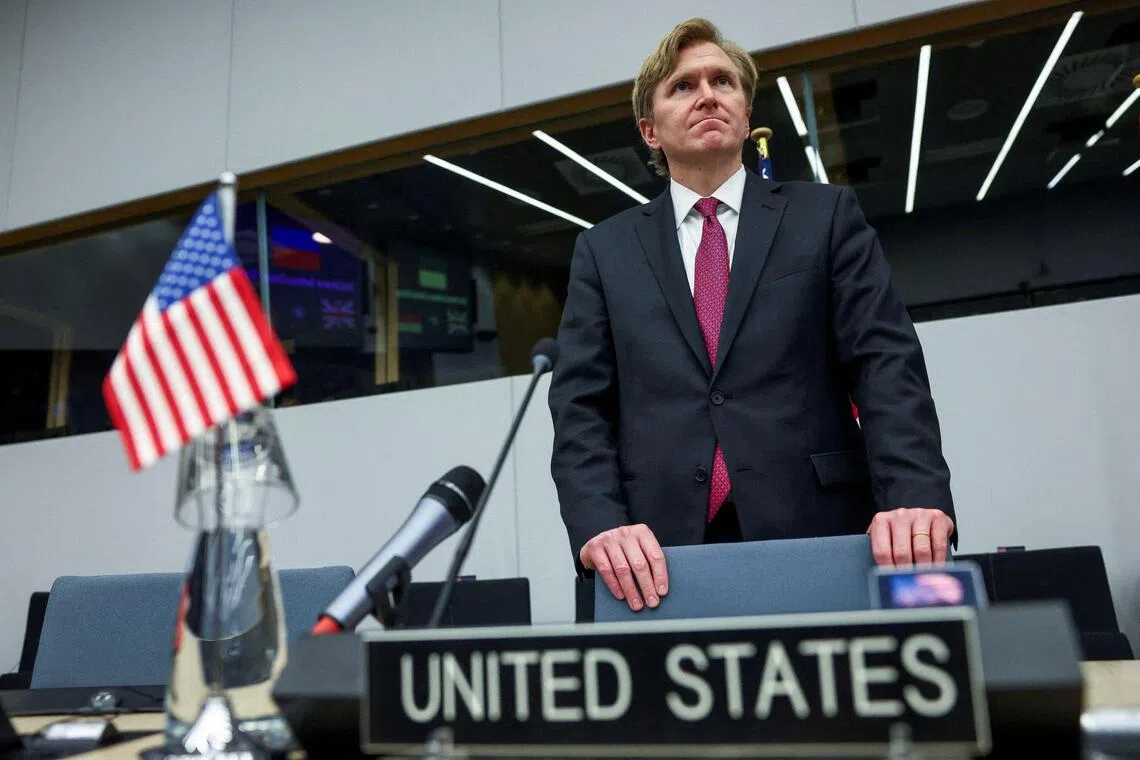
US Under Secretary of Defence Elbridge Colby said the campaign for increased burden-sharing among allies “appears to be working”.
WASHINGTON – As European capitals brace for US troop cuts, the Pentagon’s top policy official is telling lawmakers in Washington that allies are on board with a vision of “NATO 3.0” in which Europe maintains its own non-nuclear defence.
An ongoing six-month review of American troop levels in Europe is at the stage where the Defence Department is “showing them how to step up and then helping them to do so,” Under Secretary of Defence for Policy Elbridge Colby told the Senate Armed Services Committee in a statement released on Sept 28 but dated Sept 22.
The department submitted a 16-page document to committee members after Colby delivered a required briefing on the administration’s 2026 National Defence Strategy, drawing bipartisan criticism for what members of Congress saw as a lack of transparency.
In 2025, lawmakers used the Pentagon’s annual policy Bill to restrict the administration’s ability to cut the US presence in Europe below 76,000 troops without engaging in extensive consultations with allies and Congress and taking steps to mitigate any security risks to the alliance.
The US currently has about 80,000 troops in Europe.
Europeans have expressed concerns that the US could withdraw troops and equipment from the continent, in a reorganisation that the Trump administration calls NATO 3.0, before allies are ready to replace them – creating new vulnerabilities at a time when Russia poses a continued threat.
President Donald Trump complained that NATO allies were unwilling to join the war in Iran, which he and Israeli Prime Minister Benjamin Netanyahu started without consultations.
In response, allies placed limits on the US military’s use of their bases and airspace.
The president has signalled his intention to punish allies for this perceived disloyalty.
According to Colby’s missive, the administration’s campaign for increased burden-sharing among allies “appears to be working,” with allies increasing their investments in defence, buying US-made weapons and bolstering their domestic defence industries.
The under secretary advised lawmakers that “allies have typically responded constructively to the department’s outreach,” through conversations with US officials and in “substantive responses” to a questionnaire submitted to allied capitals that sought to assess not only their strategic contributions, but their loyalty to the president’s policies. BLOOMBERG