Pertalite, Biodiesel Prices Fixed Through End of 2026 - Tempo.co English
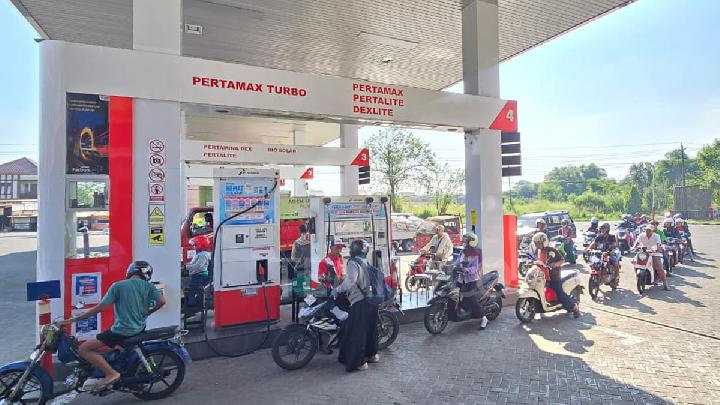
TEMPO.CO, Jakarta - State-owned oil trader Pertamina Patra Niaga has addressed the pricing of subsidized fuels, such as Pertalite and Biosolar, amid volatile global crude prices and fluctuations in the rupiah-US dollar exchange rate. Pertamina Patra Niaga Vice President of Corporate Communication Kitty Andhora stated that the company remains fully aligned with government policy in determining fuel prices.
The government previously assured the public that subsidized fuel prices would remain unchanged through the end of 2026. This measure forms part of broader state efforts to stabilize domestic energy prices and safeguard public purchasing power against volatile global energy markets.
"Despite fluctuations in key pricing variables, such as global crude rates and exchange rates, subsidized fuel prices will not increase, in line with government directives through the end of 2026," Kitty said in a statement on Saturday, September 12, 2026, as reported by state news agency Antara.
Pricing for non-subsidized fuels will continue to follow government-mandated formulas. Meanwhile, rates for Non-Subsidized Public Service Obligation (JBU) products will strictly adhere to state-established benchmark pricing structures.
The pricing mechanism for JBU fuels remains tied to applicable formulas and regulatory guidelines. Pertamina Patra Niaga reaffirmed its commitment to implementing government directives on fuel pricing and distribution to ensure national energy demands are consistently met.
Minister of Energy and Mineral Resources (ESDM) Bahlil Lahadalia affirmed that the government decided to hold subsidized fuel prices steady to buffer purchasing power across lower- and middle-income households.
The decision comes as the government continuously monitors shifting global oil prices under the direction of President Prabowo Subianto. Bahlil noted that maintaining subsidized fuel rates during periods of elevated crude prices is a heavy policy commitment, given its potential to expand the national subsidy burden.
Despite the fiscal pressure, Bahlil emphasized that the government prioritizes public purchasing power when shaping its broader energy price policies.