Petition demands permanent serial crime task team after Kempton Park murders - IOL
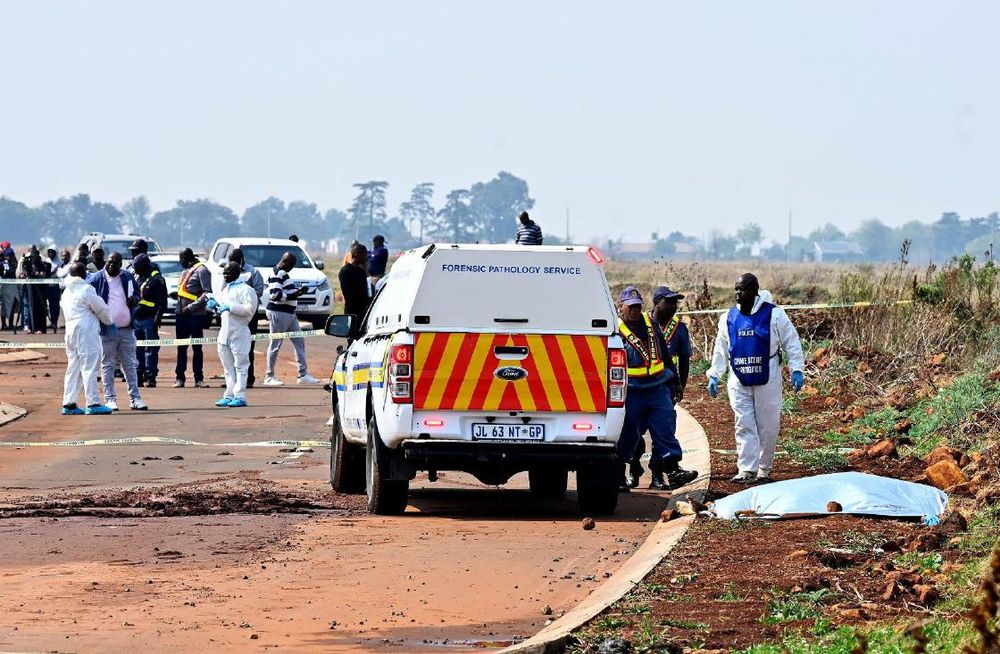
A petition is calling for emergency funding and a permanent specialised task team after nine women were killed in Ekurhuleni, although police have not confirmed that the cases are linked.
A petition calling for the immediate creation and permanent funding of a specialised serial crime task team has been launched as South Africa reels from the deaths of nine women in Ekurhuleni.
The petition, titled “Fund a Permanent Serial Crime Task Team Now!”, calls on Finance Minister Enoch Godongwana and Acting Police Minister Firoz Cachalia to establish a dedicated unit capable of investigating serial rape and murder and responding before more women become victims.
The demand comes as communities across Ekurhuleni continue to grapple with fear following the discovery of women’s bodies since July.
Police have not established that the nine deaths were committed by one perpetrator, and investigations into the individual cases remain ongoing.
For petitioners, however, the killings have highlighted what they describe as a longstanding gap in SA’s response to serial crimes.
“Gender-based violence and femicide (GBVF) is a national emergency, and women are the biggest targets of serial predators, yet the police response is always underfunded and too late,” the petition states.
The petition argues that police responses tend to intensify only after a crisis has captured public attention, with temporary task teams established before eventually being disbanded.
It says this approach leaves communities vulnerable once the immediate national spotlight fades.
The petition is therefore calling for a permanent, specialised rapid-response task force, staffed by investigators trained to identify patterns between cases, track suspects and intervene before serial offenders can claim additional victims.
“Establish a Permanent Serial Crime Task Team: Immediately set up a dedicated, specialised rapid-response task force specifically trained, equipped, and deployed to track, investigate, and stop serial rape and serial murder before more lives are lost,” it demands.
The petition also places the issue directly before the Treasury, arguing that emergency funding should be made available rather than waiting for future budget cycles.
It calls on Godongwana to invoke Section 16 of the Public Finance Management Act (PFMA) to provide emergency funding for the proposed task team.
Section 16 provides for expenditure of an exceptional nature where postponing it to a future parliamentary appropriation could seriously prejudice the public interest.
The petition further demands that the money be protected from being redirected to other policing priorities.
“Ring-Fence the Task Team Budget: The Minister of Police must lock this funding into a protected, dedicated allotment within the SAPS budget so that police leadership cannot reallocate these resources to general administration, routine operational shortfalls, or VIP protection services,” it states.
The petition's demands come as government has already intensified policing operations in Ekurhuleni following the killings.
An expanded Operation Shanela has been deployed in the area, while a multidisciplinary team of investigators and specialists has been working on the murder cases.
But petitioners say heightened policing following a public outcry cannot become the country's default response to serial crime.
They want a structure that remains operational even after media attention and public protests subside.
“Guarantee Permanent Budgetary Allocation: Secure ring-fenced, long-term funding to ensure this specialised task force remains permanently operational across provinces rather than functioning as an ad-hoc, temporary team,” the petition demands.
The petition's call for permanent policing resources has emerged alongside calls from religious leaders for a broader societal response to gender-based violence.
Anglican representatives from across Southern Africa met in Ekurhuleni and adopted a resolution calling on churches, communities, schools, traditional and civic leaders, law enforcement and government to work together against violence.
The church said men and boys must also be deliberately involved in challenging attitudes and social norms that fuel violence.
“The church must not only pray but stand with the vulnerable, challenge cultures and structures that enable violence, accompany survivors, and work for justice and peace,” the Provincial Synod said.
The church also called on authorities to thoroughly investigate the killings and bring those responsible before the courts.
It urged dioceses to strengthen safeguarding measures and create safe and accessible pathways for survivors to seek help.
The Anglican Synod's message echoed the petition's demand for a response that does not disappear once public attention moves elsewhere.
It called for Christian communities to confront silence, shame and stigma and become places of disclosure, care, protection and healing.
And it issued a direct message about the women whose lives have been lost.
“Enough is enough,” the synod declared. “We will not let the names and stories of murdered women vanish into statistics.”
The petition's organisers are now calling for the government to turn the anger and grief surrounding the Ekurhuleni killings into a permanent response to serial crime.
For families mourning the women whose bodies were discovered, the issue is more than funding, task teams and legislation.
It is about whether the next woman can be protected before her disappearance becomes another investigation, another search and, potentially, another devastating discovery.
The petition argues that the country should not have to wait for another series of killings before specialised resources are mobilised.