PM's bilateral with China's Xi begins, 1st on Indian soil since 2020 Galwan clash
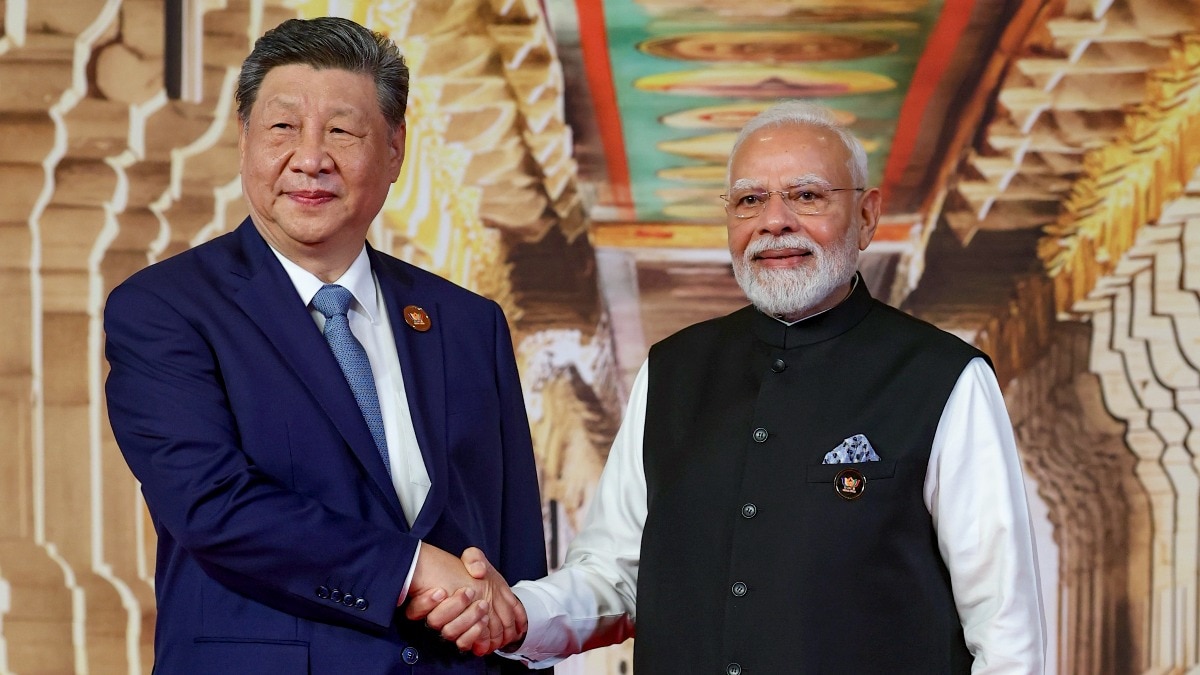
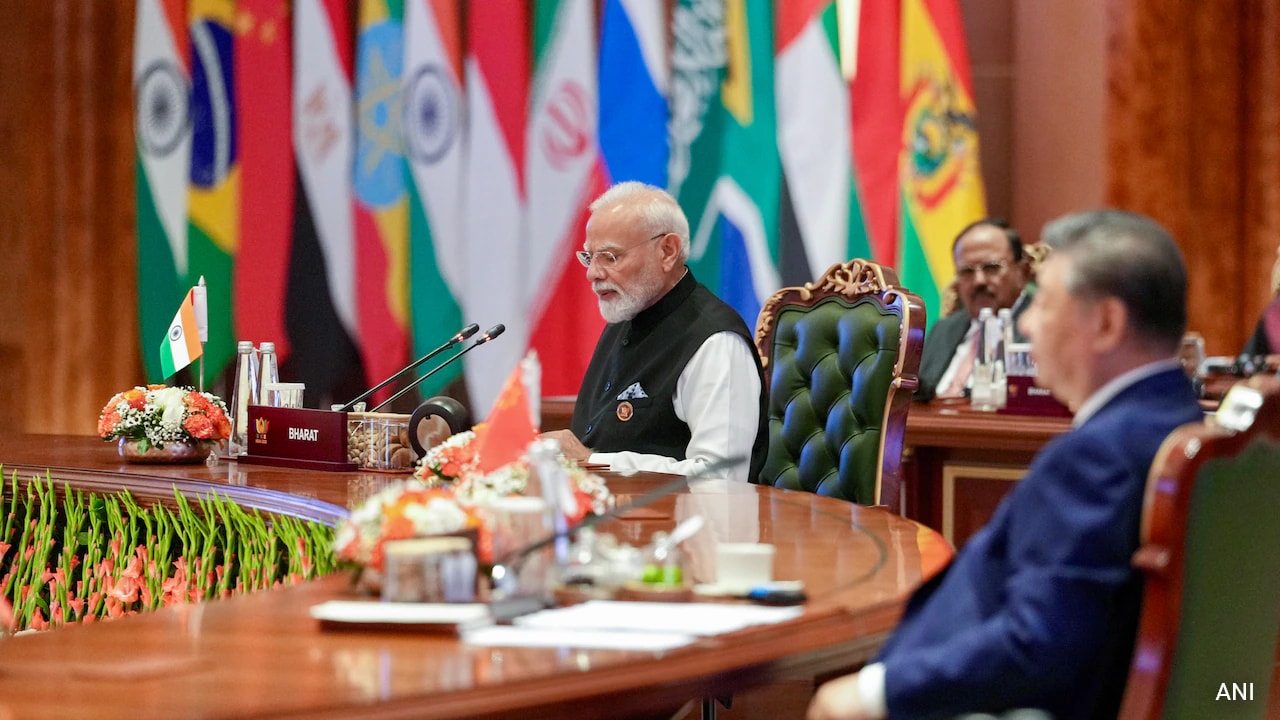
Prime Minister Narendra Modi and Chinese President Xi Jinping are holding bilateral talks on Saturday on the sidelines of the BRICS Summit in New Delhi. PM Modi welcomed Xi to India as the two leaders began their first bilateral meeting on Indian soil since the 2020 Galwan Valley clash, amid efforts to rebuild ties after years of tensions.
The situation along the Line of Actual Control (LAC), the wider boundary dispute and measures to expand trade and investment are likely to figure prominently in the talks. The leaders are also expected to review steps taken to stabilise relations after the 2020 military confrontation in eastern Ladakh.
The meeting is significant as Xi is visiting India for the first time in nearly seven years. His last visit was in October 2019, when he travelled to Mamallapuram near Chennai for an informal summit with PM Modi. Within months, relations deteriorated sharply following the military standoff in eastern Ladakh and the Galwan Valley clash in June 2020.
Since then, India and China have spent years negotiating disengagement arrangements and trying to prevent tensions along the border from spilling over into the wider relationship. The border is likely to be at the heart of Saturday’s discussions.
An understanding on patrolling arrangements in October 2024 helped ease tensions and paved the way for renewed political engagement, but the broader boundary dispute remains unresolved. Both countries continue to maintain significant military deployments along their roughly 3,500-km frontier. India has repeatedly maintained that peace and tranquillity along the border are essential for normal bilateral relations.
Recent developments in Arunachal Pradesh have also brought renewed attention to the eastern sector of the disputed boundary. China claims Arunachal Pradesh as part of what it calls “Zangnan” or southern Tibet. India has consistently rejected the claim, maintaining that the state is an integral and inalienable part of the country.
On September 6, Indian and Chinese commanders held their first Corps Commander-level meeting in the eastern sector at the Vacha-Damai Border Personnel Meeting Point. The meeting followed reports of fresh Chinese military activity and alleged incursions in the Taksing area of Arunachal Pradesh’s Upper Subansiri district.
The Modi-Xi talks are being closely watched for signs of whether the recent improvement in ties can bring greater stability along the frontier.
That improvement has gathered pace since the October 2024 patrolling agreement. PM Modi and Xi subsequently held talks on the sidelines of the BRICS Summit in Kazan, opening the way for increased political engagement.
Direct flights between the two countries have since resumed after a gap of more than five years, some visa procedures have been eased, and the two sides have moved towards restoring border trade and people-to-people exchanges, including the Kailash Mansarovar Yatra.
National Security Adviser Ajit Doval and Chinese Foreign Minister Wang Yi also held the 25th round of Special Representatives’ talks on the boundary question in Beijing last month. The discussions focused on maintaining peace along the border and advancing negotiations on the longstanding dispute.
Ahead of the Modi-Xi meeting, Beijing struck a conciliatory note, calling for “good neighbourliness” and greater cooperation between the two Asian powers.
Chinese Ambassador to India Xu Feihong said Beijing would work with New Delhi under the “strategic guidance” of the two leaders, step up communication and cooperation, and “properly handle differences”. He said the countries should approach the relationship from a “strategic height and long-term perspective” and be “friends enjoying good neighborliness and partners helping each other succeed”.
Trade and investment are also likely to feature in the talks. Despite political tensions since 2020, China remains India’s largest goods trading partner. Bilateral trade reached around USD 151 billion in 2025-26, but the relationship remains heavily skewed in Beijing’s favour. India imported around USD 131 billion worth of goods from China, while exports stood at about USD 19 billion, leaving a record trade deficit of roughly USD 112 billion.
New Delhi has sought greater market access and a more balanced and predictable economic relationship while trying to reduce its dependence on Chinese machinery, electronics and industrial components.
The composition of Xi’s delegation has also drawn attention. Accompanying the Chinese President is Cai Qi, a member of the Communist Party’s powerful Politburo Standing Committee and one of Xi’s closest aides. Foreign Minister Wang Yi is also part of the delegation.
Cai’s presence, given his position at the heart of China’s political establishment, is being seen as a sign of the importance Beijing attaches to Xi’s first India visit since 2019.
The talks are taking place as India and China try to manage a relationship marked by both cooperation and competition. They work together in groupings such as BRICS and the Shanghai Cooperation Organisation, but remain divided over the boundary dispute, China’s close relationship with Pakistan, India’s strategic partnership with the United States and the Quad, and competing regional interests.
As the meeting continues, the question is whether the cautious stabilisation of ties can move beyond managing tensions towards addressing the disputes that have strained the relationship since 2020.- EndsPublished By: Anuja JhaPublished On: Sep 12, 2026 18:06 IST