Pneumonic Plague Symptoms Explained After Russian Scientist’s Death - Newsweek
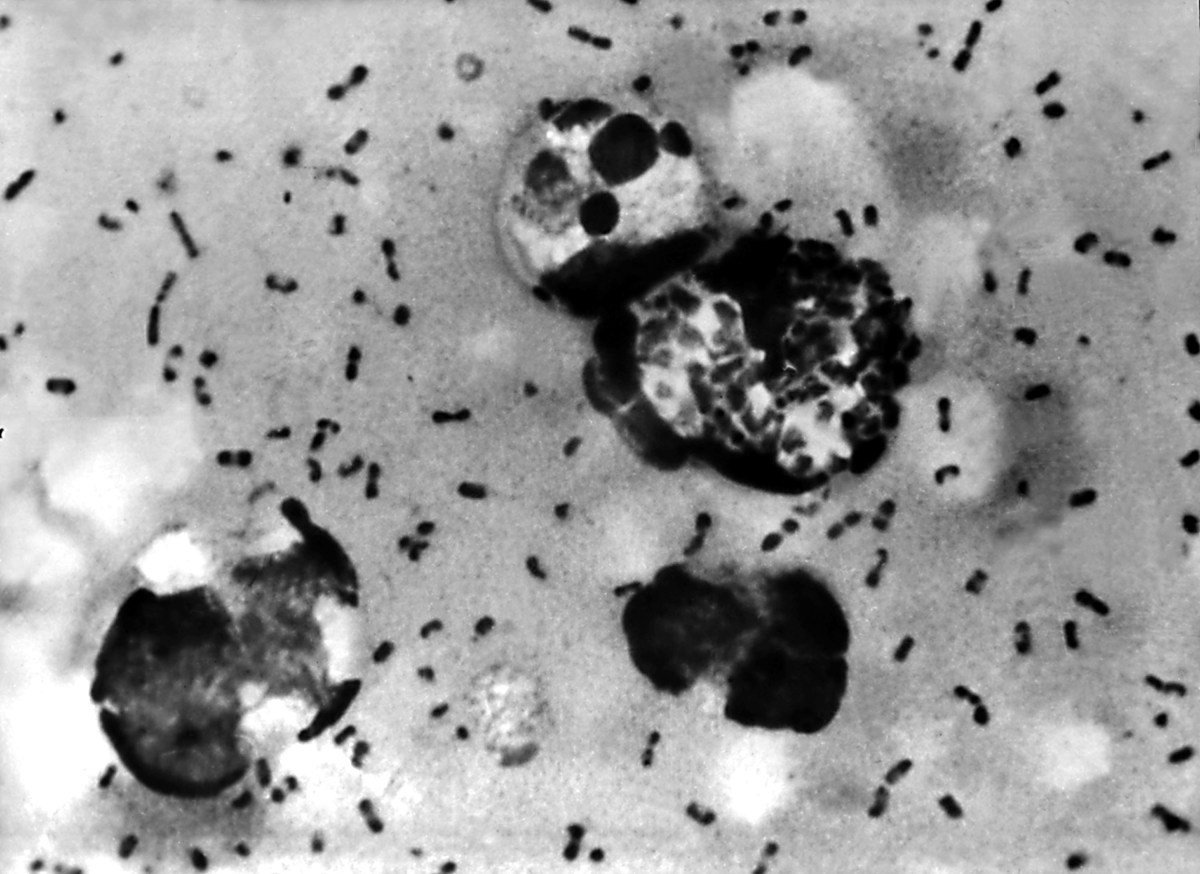
Federal guidance says symptoms of pneumonic plague can include a headache, fever and pneumonia, after a Russian lab worker reportedly died from a suspected case of the disease.
As Newsweek previously reported, Russian media sources said that a woman who worked for a plague research institute near Irkutsk in Siberia was hospitalized and died, after she told colleagues she had inadvertently broken a test tube with live bacteria while collecting samples. The Irkutsk Anti-Plague Institute has played a significant role in plague surveillance and research in Siberia, building on a long history of studying and controlling plague outbreaks across the region.
The woman was named by independent Russian language outlet People of Baikal as 28-year-old Darya Shipilova.
Hospitalized on Tuesday with severe pneumonia symptoms in the nearby town of Shelekhov, Shipilova was placed on a ventilator and died two days later, reports said.
Rospotrebnadzor said Sunday that the Irkutsk Anti-Plague Institute employee had been diagnosed with "pneumonia of unknown etiology."
Testing had not identified microorganisms associated with her work, the statement added.
Newsweek contacted the Russian health watchdog Rospotrebnadzor for comment via email on Monday and is awaiting a reply.
Newsweek has also reached out to the Centers for Disease Control and Prevention (CDC) and the World Health Organization (WHO) for comment.
A Trump administration official reportedly told Axios on Sunday that the White House was monitoring reports and related quarantines. The outlet added that health authorities in Russia have taken precautionary measures in response to the woman’s death but had not confirmed she contracted the plague.
Speaking to NBC News, former White House COVID-19 response coordinator Dr. Ashish Jha said more information and transparency was needed from Russia over the reported incident, but that if it represents an isolated case with no additional deaths "it will probably end there."
The symptoms of plague depend on how a person is infected, according to the CDC. The agency lists the most common forms of plague as bubonic, pneumonic, and septicemic.
Pneumonic plague is regarded as the most serious form of the disease and the only form that can be passed from one person to another, with an incubation period that may be as short as one day following inhalation, according to the agency.
Symptoms include fever, headache, and weakness, as well as a "rapidly developing pneumonia with shortness of breath, chest pain, cough, and sometimes bloody or watery mucous," it says.
The CDC says pneumonic plague develops either when bacteria from untreated bubonic or septicemic plague reach the lungs or when a person inhales infectious droplets coughed into the air by an infected person or animal.
Bubonic plague symptoms include fever, headache, chills, and weakness and one or more swollen, painful lymph nodes, called buboes, according to the CDC.
Usually resulting from the bite of an infected flea, this form has an incubation period of between two and eight days. The bacteria multiply in a lymph node close to the point of entry, and can spread to other parts of the body if not treated with antibiotics, it says.
The CDC says septicemic plague can occur as the first symptom of plague, or may develop from untreated bubonic plague.
It results from infected flea bites or from handling an infected animal. "The incubation period of septicemic plague is poorly defined but likely occurs within days of exposure," according to the CDC.
Symptoms include fever, chills, extreme weakness, abdominal pain and shock, as well as possibly bleeding into the skin and other organs. Tissues, including skin, can blacken and die—especially on fingers, toes, and the nose, the agency explains.
Plague has a case-fatality ratio of 30 to 100 percent if left untreated, according to the WHO. "The pneumonic and septicemic forms are invariably fatal unless treated early," it says.
It adds that antibiotics and supportive therapy are effective treatments against plague if a patient is diagnosed in time.
"Pneumonic plague can be fatal within 18 to 24 hours of disease onset if left untreated, but common antibiotics for enterobacteria (gram negative rods) can effectively cure the disease if they are delivered early," the WHO says.
Newsweek’s reporters and editors used Martyn, our AI assistant, to produce this story. Learn more about Martyn here.